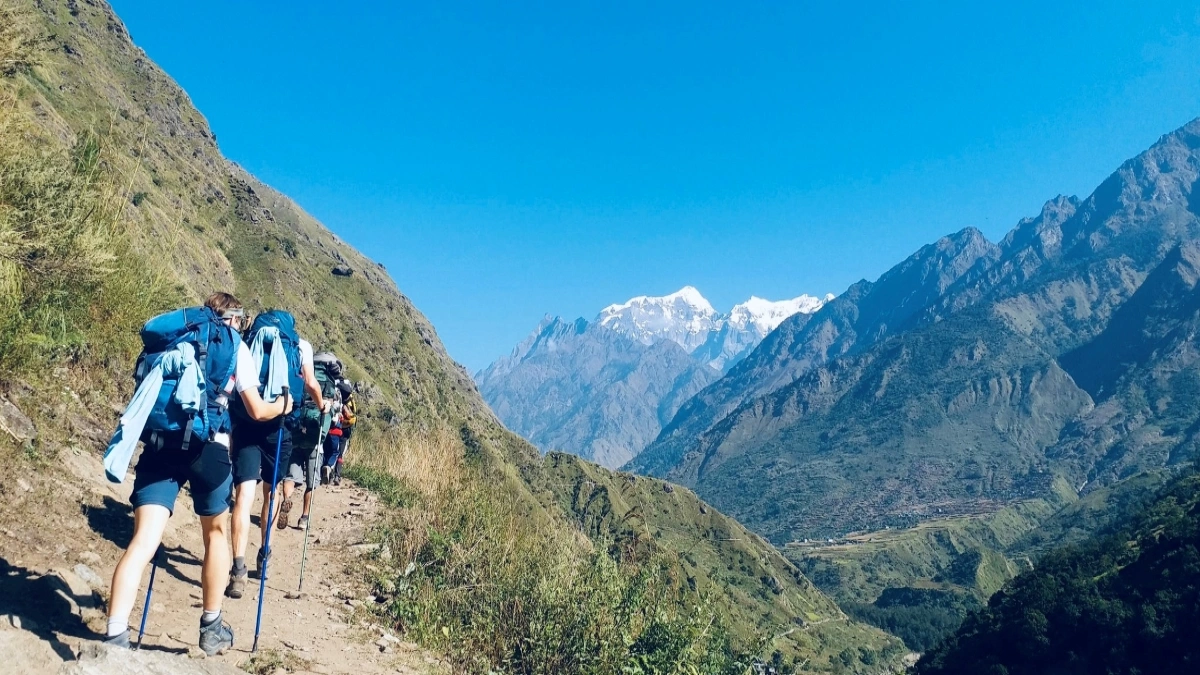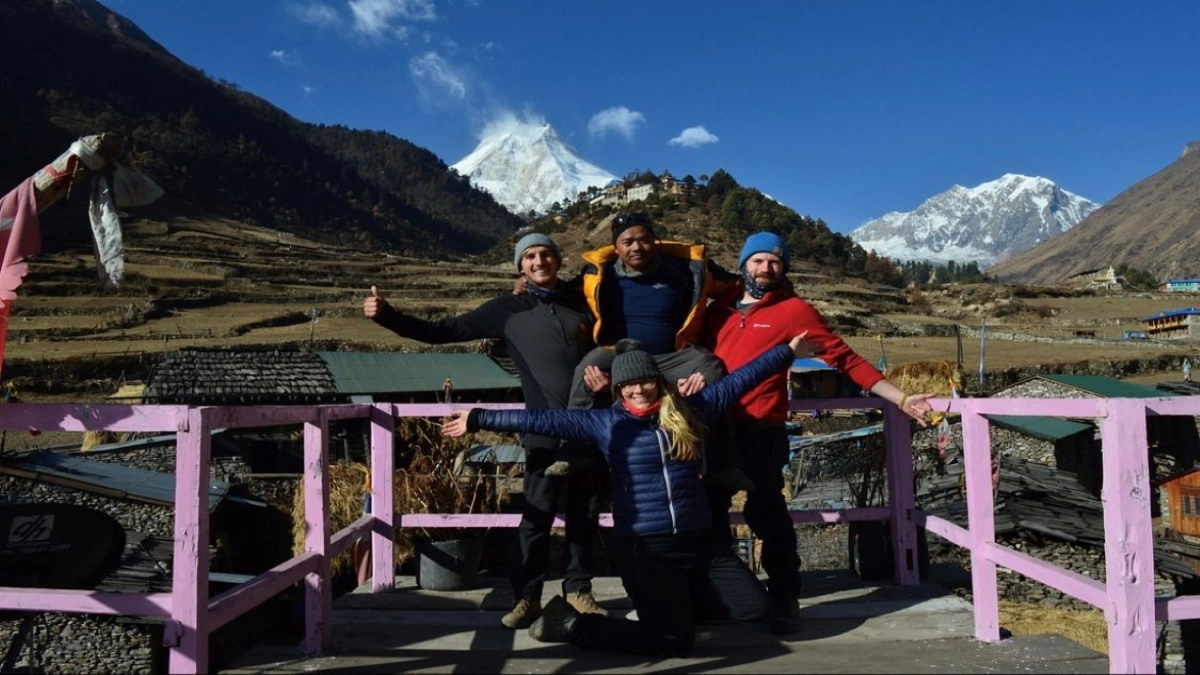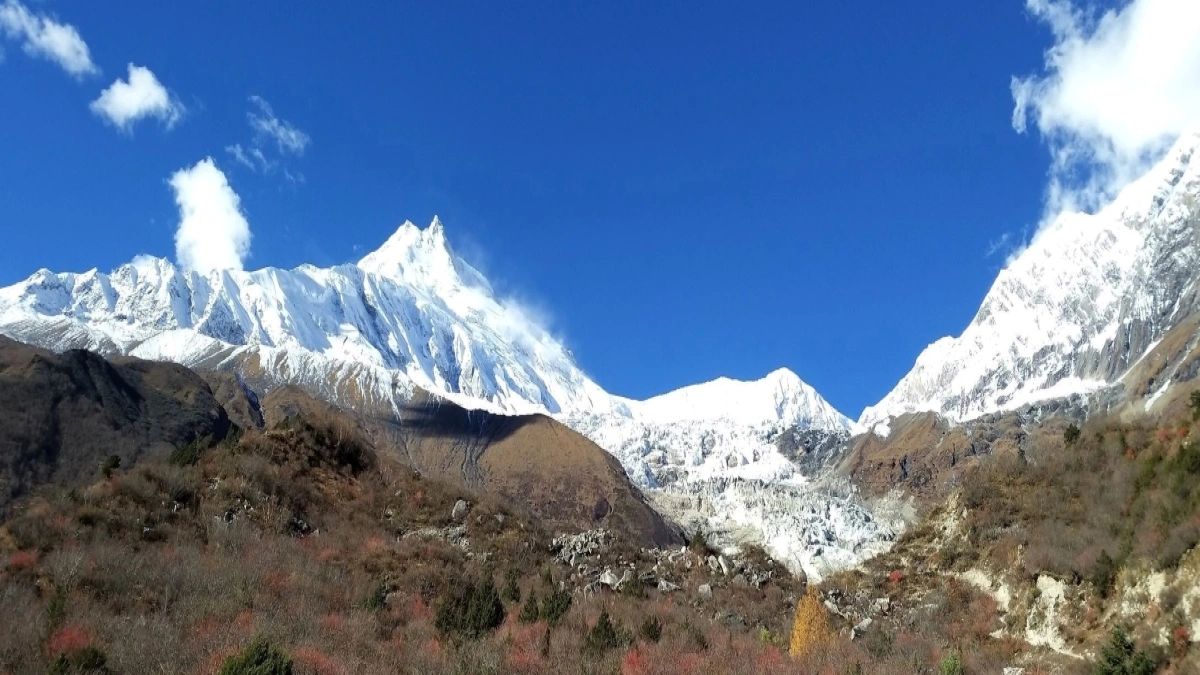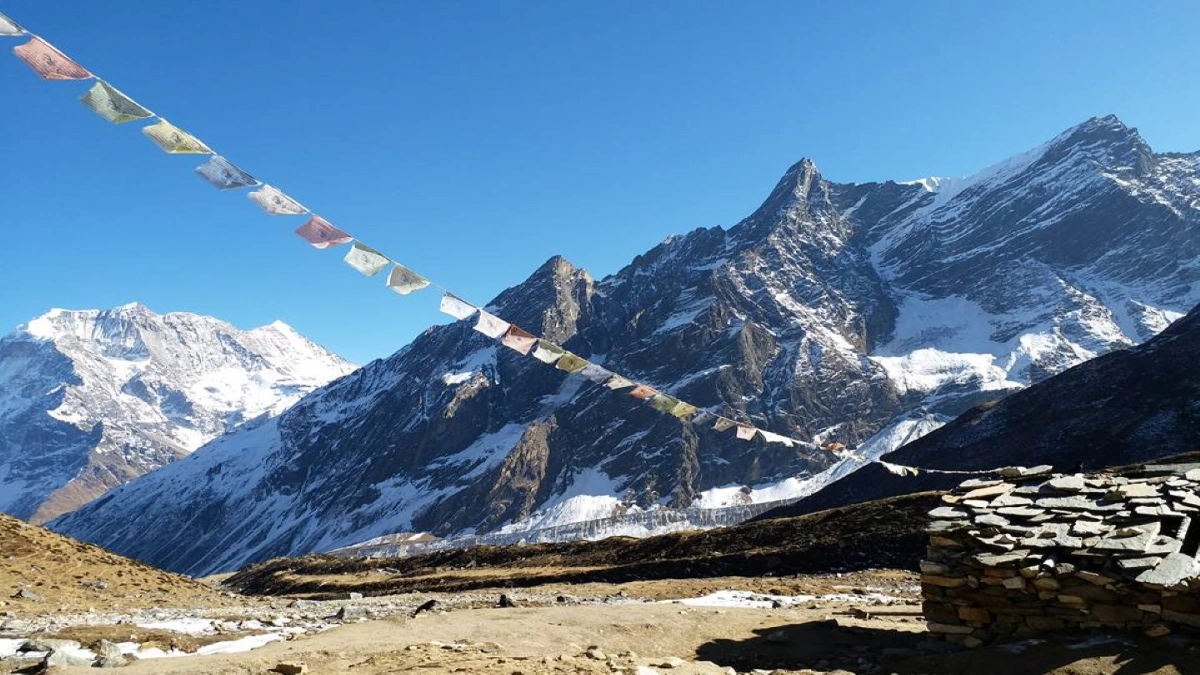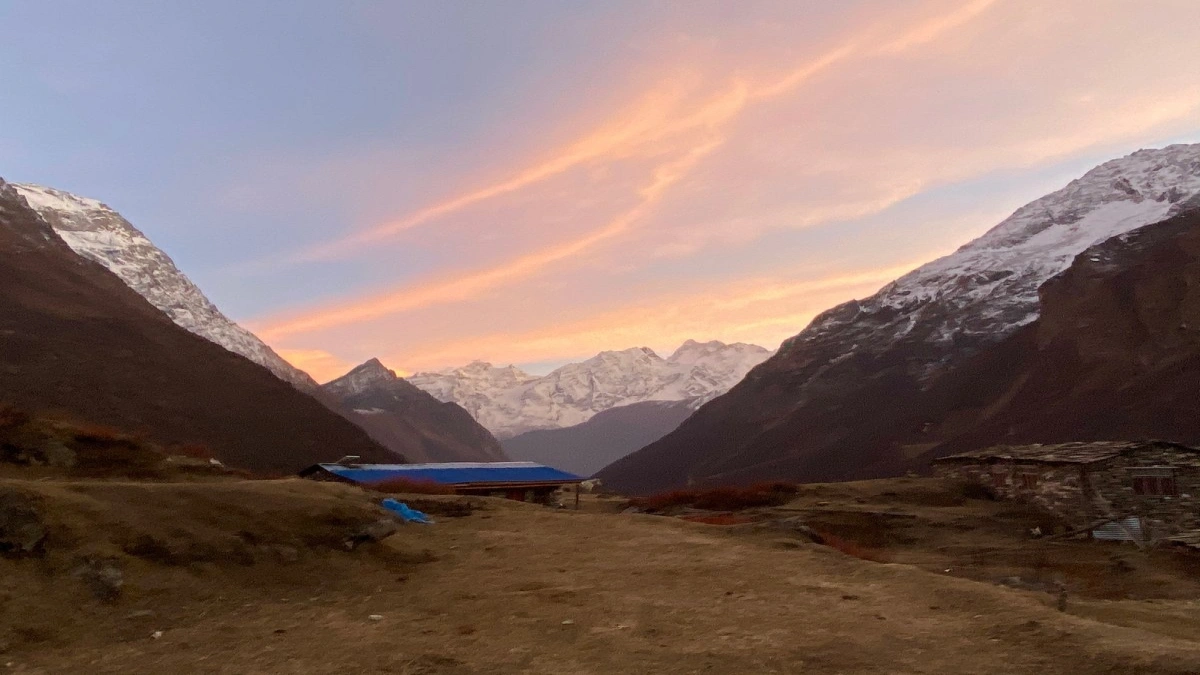

The 14 Days Manaslu Circuit Trek is one of the perfect choices for trekkers who are looking for a physically challenging adventure in the Himalaya. The trek begins at Machha Khola in Gorkha district and ends at Besisahar in the Annapurna Region. The Manaslu Circuit Trekking trail follows the Budhi Gandaki (river) upstream to the Tibetan-Buddhist valley (Samdo, Samagaun), crosses the Larkya La Pass at 5,106m, and descends through rhododendron (blooms in March-May) and pine forests into the Marshyangdi valley. For trekkers looking for a trek with fewer crowds, a wilder trail, and a different cultural experience, the 14 Days Manaslu Circuit Trek 2026 is a perfect choice. Even in the peak season, the trails are quieter than compared to the Everest and Annapurna Trekking Region.
You must have a licensed trekking guide and must apply through a registered trekking company for any permits to trek in the Manaslu Region. As of March 22, 2026, an update from the Department of Immigration of Nepal, solo trekkers can now trek individually – previously, you needed to be in a group of two people. Higher Limits Trek will arrange all permits, transfers, and accommodations for your 14 Days Manaslu Circuit Trek 2026/2027.
Why is the Manaslu Circuit Trek worth your two weeks?
Two weeks of vacation is a lot of time. Many people only get this kind of vacation once a year. So, the real question isn't "is Manaslu nice?" — it's "is this the best way to spend my two weeks?" Here's our honest answer.
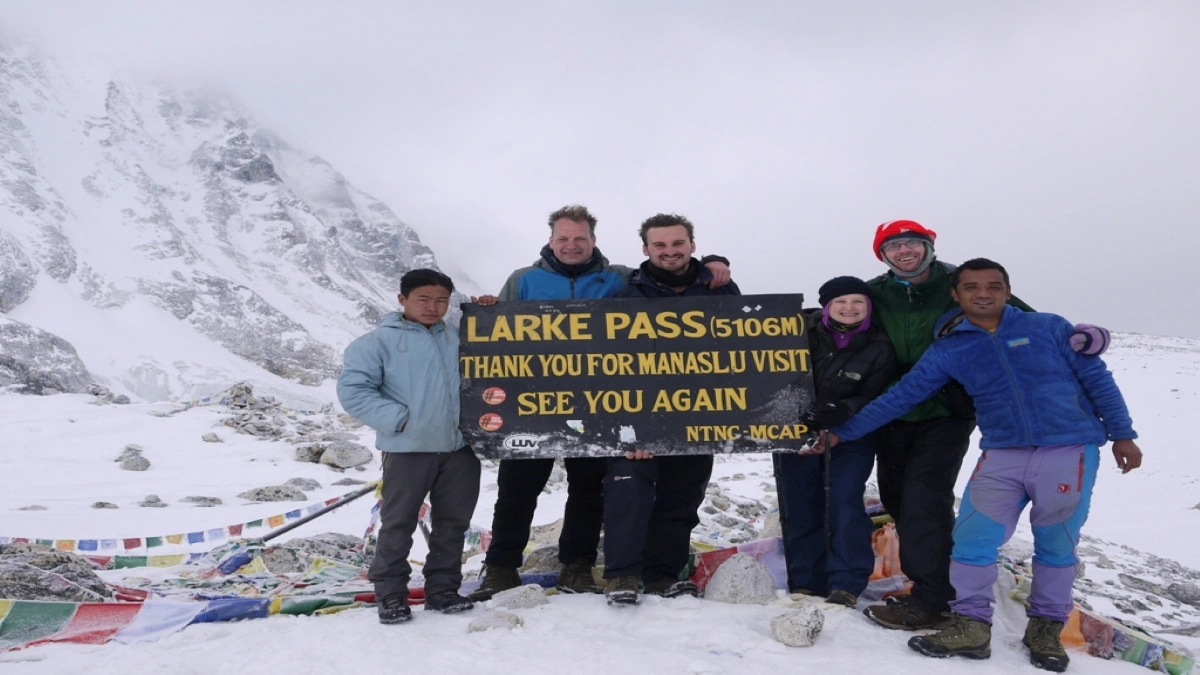
Crossing Larkya La Pass (5,106m) – not just a viewpoint
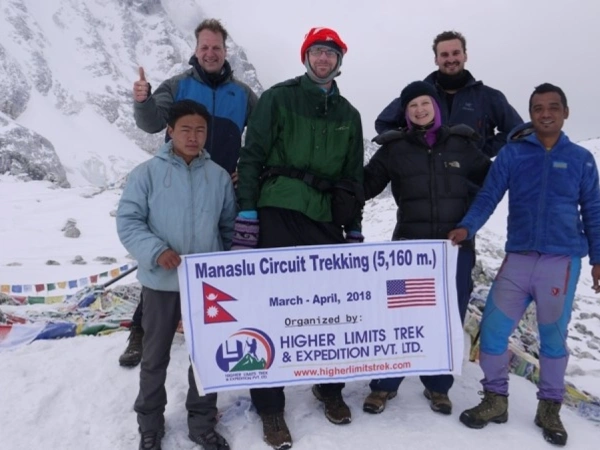
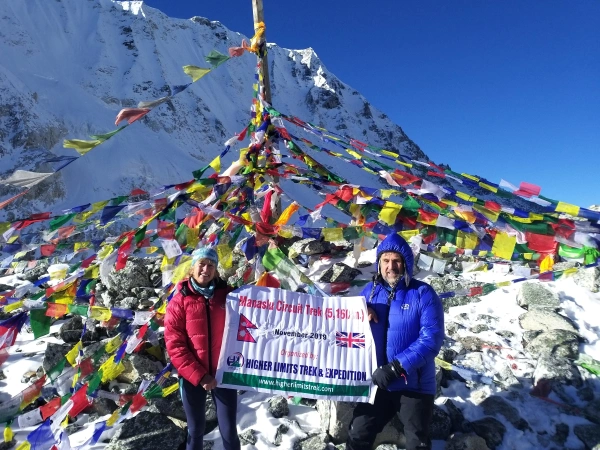
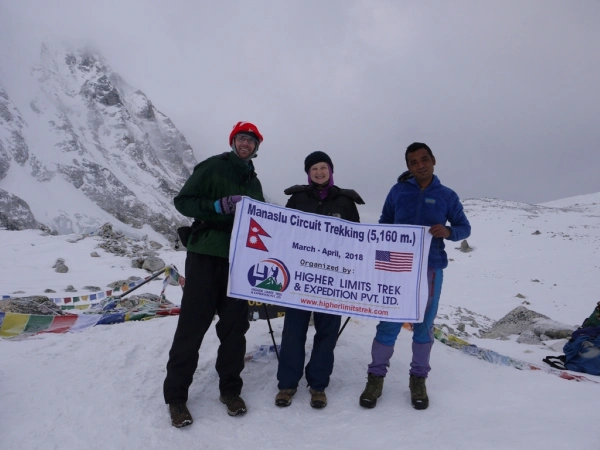
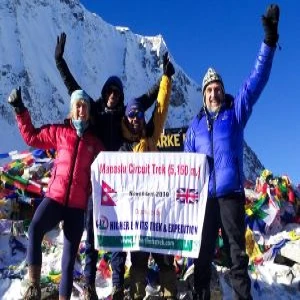
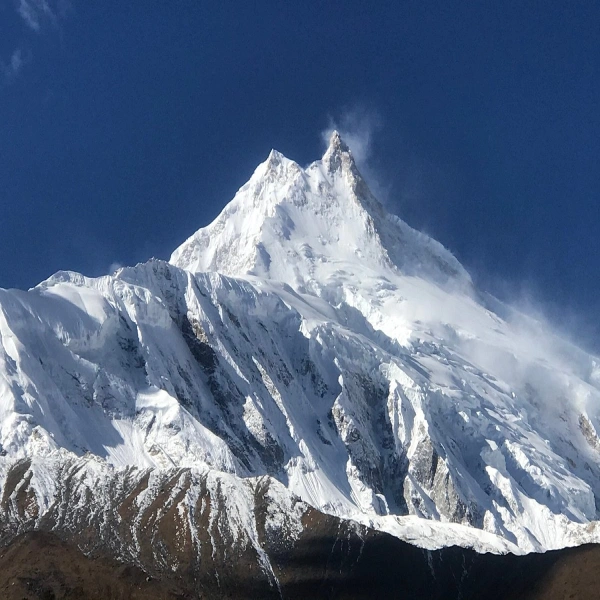
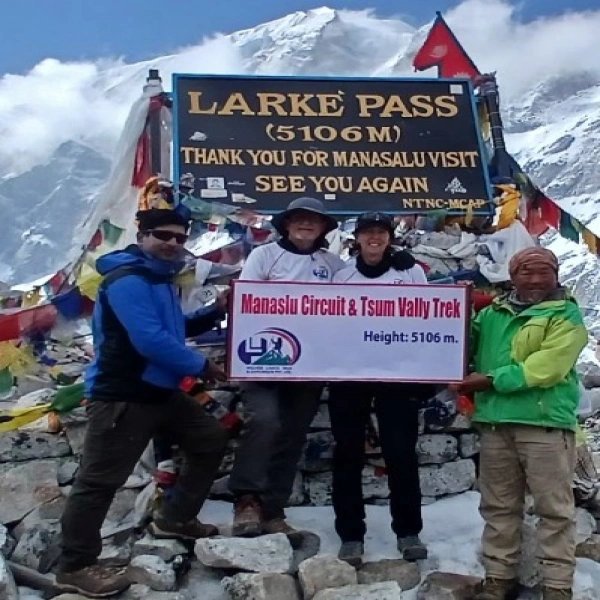
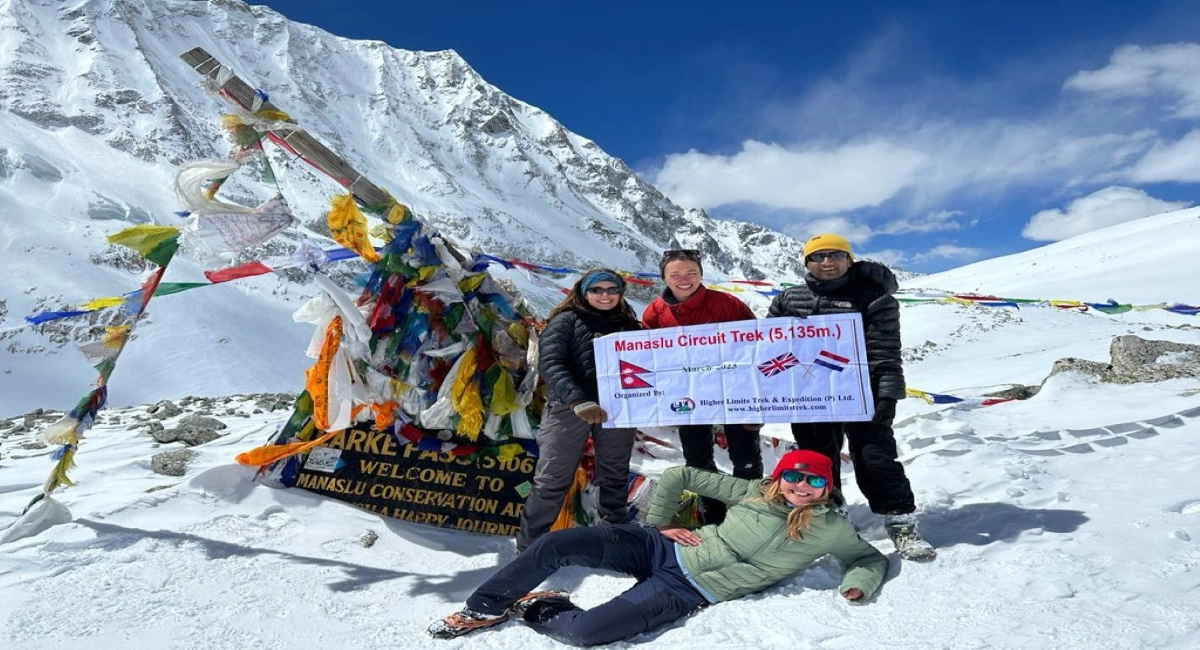
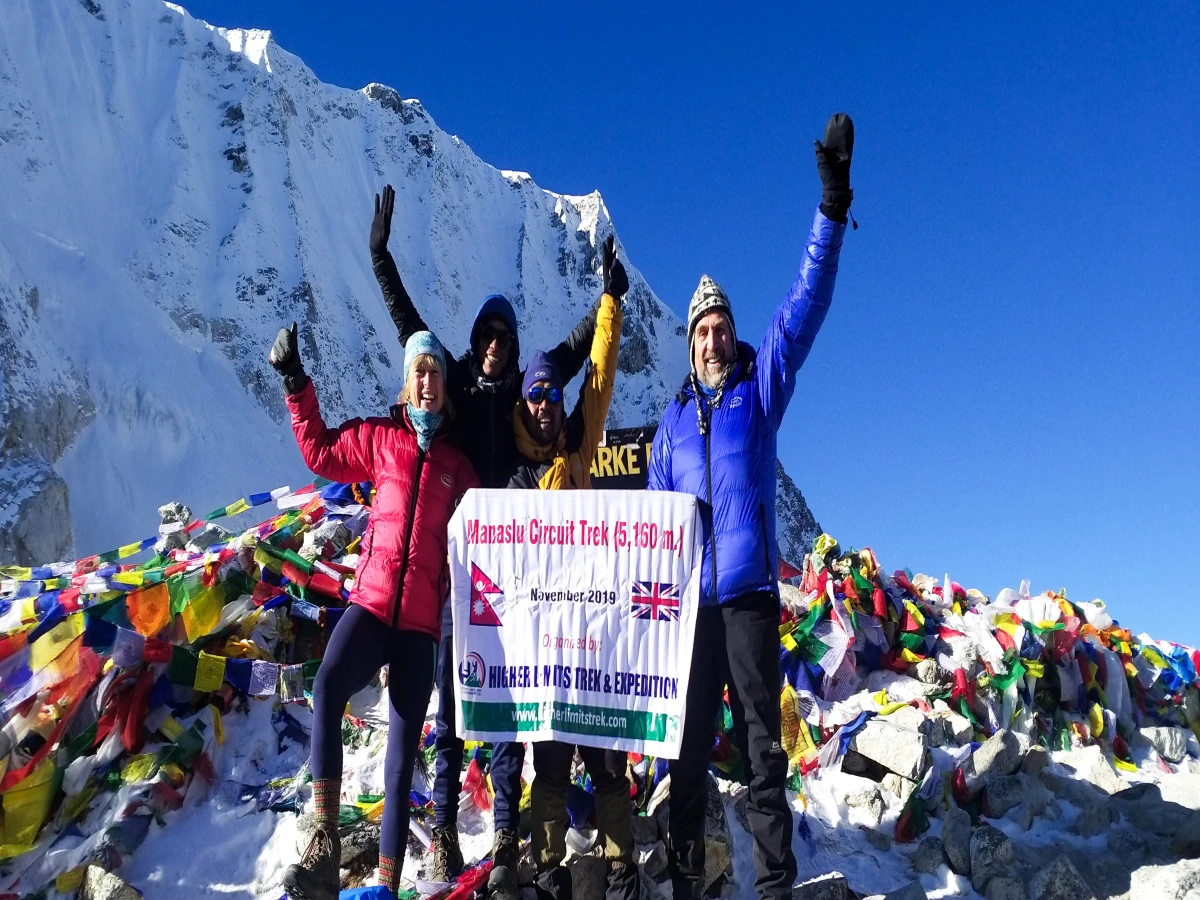
The Manaslu Circuit is a complete loop with a high-altitude pass crossing as its centerpiece. You will cross Larkya La Pass at 5,106m, one of the longest passes in the Himalaya of Nepal. The pass is remote, difficult, and crossed by fewer trekkers. It offers a 360-degree view of Himlung, Cheo Himal, Kang Guru, and Annapurna II.
Less Crowded Routes: The Manaslu is one of the restricted areas in Nepal. The trails are quiet and less crowded even in peak seasons. Perfect for spending time with nature and experiencing the remote side of Nepal.
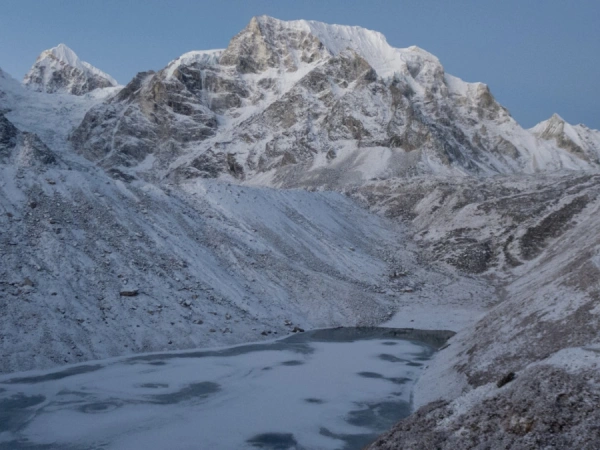
Two Ecosystems within 14 Days: In the Manaslu Circuit Trek, you will walk from Machha Khola (870m), through subtropical terraced rice fields, and warm temperatures. After a few days, you will cross Larkya La Pass (5,106m), descend to Bhimtang, a different valley, and end your trek in the Annapurna region. Most treks in Nepal stay in one valley and go back the same way.
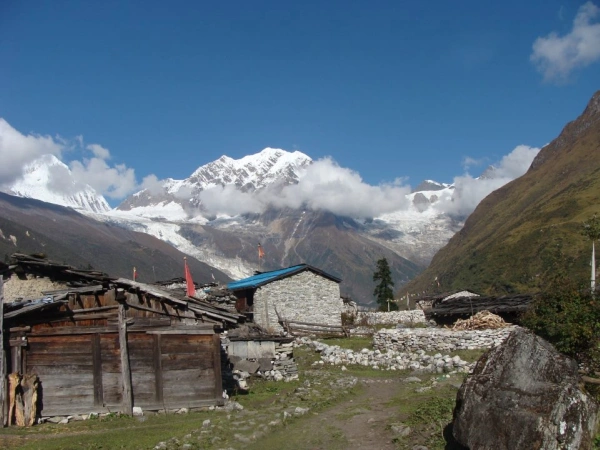
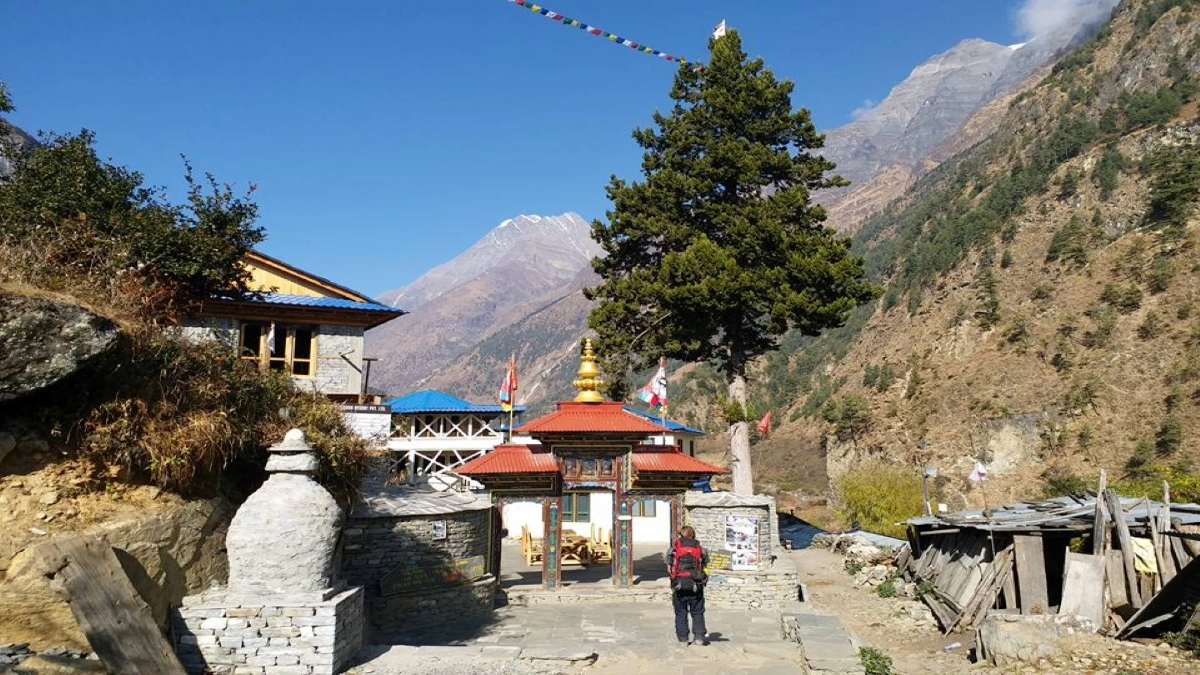
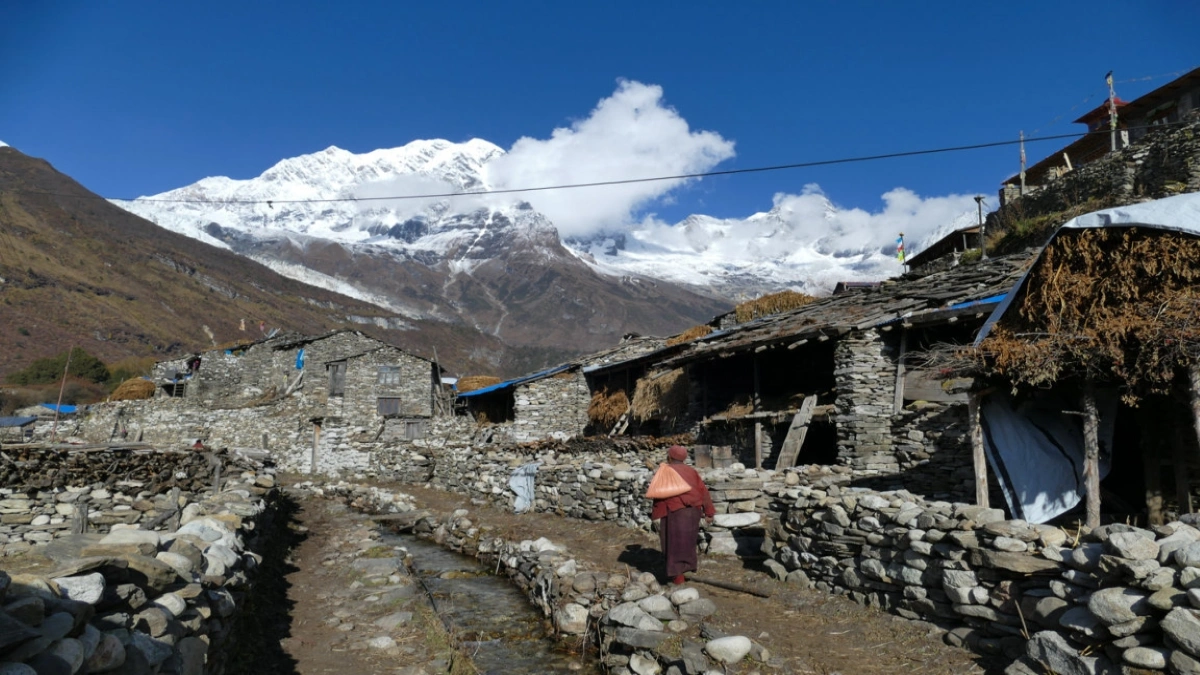
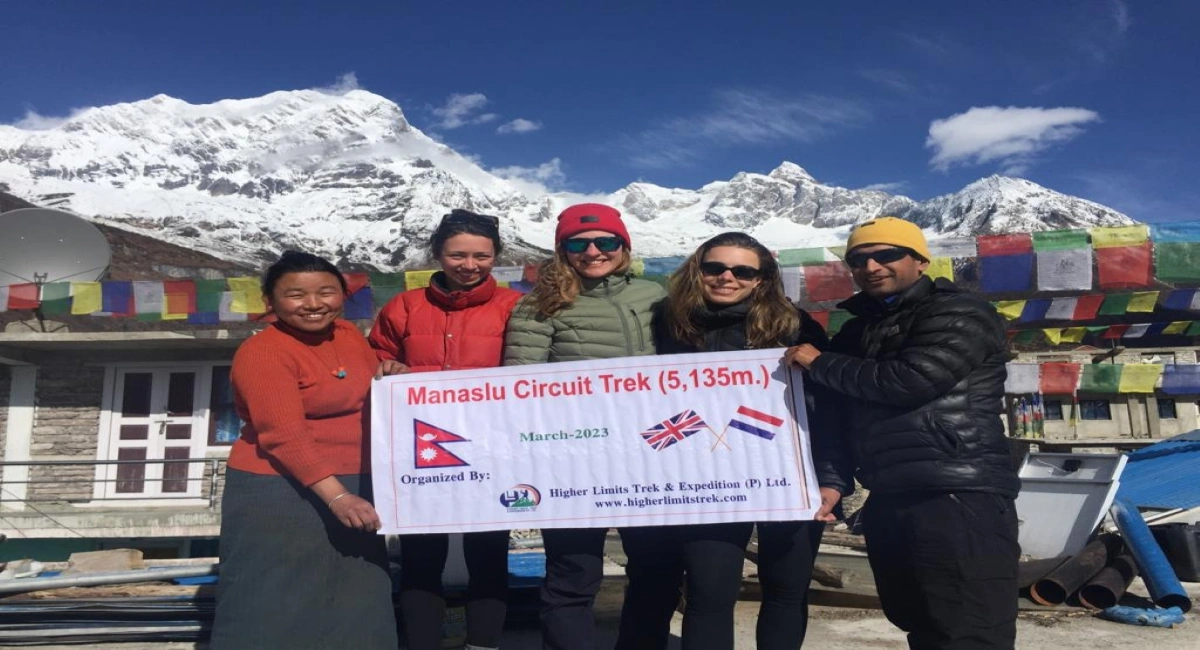
Explore Tibetan Culture: From Day 5 onwards of trekking, you will walk into Tibetan-Buddhist villages - Lho-Shyala, Samagaun, Samdo. You can explore 200-year-old monasteries in the Manaslu region that are still active. You can sleep in traditional stone houses and eat Tibetan food. Here, you will experience ancient monasteries, prayer flags, and mani walls that strongly reflect the Tibetan Buddhist Culture.
Explore Monasteries: The Manaslu Circuit passes many ancient Tibetan Buddhist monasteries in Nepal, Pung Gyen Gompa, Sama Gompa, and the monasteries at Lho and Namrung. Each one of them reflects centuries of Himalayan Buddhist tradition, with ancient murals, prayer halls, and resident monks. You can read our guide to the Monasteries in the Manaslu Region for more details.
Difficulty Level for Manaslu Circuit Trek: Larkya La Pass
The Larkya La is one of the most difficult and longest passes to cross in Nepal. It lies between the Manaslu and Marshyangdi valleys, and is the access point to the Annapurna Circuit. On a clear morning from the Larkya La, you will see Cheo Himal, Himlung Himal, Kang Guru, Annapurna II, and Manaslu North all at once.
You will cross the pass on day 11 of the trekking journey. The crossing day is long, so early in the morning, you will begin the journey from Dharamsala (4,460m) up to the Larkya La Pass, and descend to Bhimtang (3,790m) within 8-9 hours of trekking.
Who is suitable for this 14 - Day Manaslu Circuit Trek?
The Manaslu Circuit Trek is suitable for fit trekkers; it is not a complete beginner route. You should be ready to walk 5-8 hours per day, stay above 5,000m, sleep in basic teahouse accommodation (shared bathrooms, limited hot water), and be in a remote area where helicopter evacuation is the only emergency option above Samagaun.
Prior experience at altitude is not necessary to complete this trek. Still, you need to have good cardio fitness, mentally prepare for long days on the trail, and have the desire to walk in cold weather at high altitude. If you have completed Annapurna Base Camp, Everest Base Camp, or Langtang Valley, you should be able to complete the Manaslu Circuit.
Do you want to Extend or Upgrade Your 14 Days Manaslu Circuit Trek?
If 14 days isn’t enough – or if you want a more comfortable version of the same route, here are some options worth considering.
- Short Manaslu Circuit Trek - 10 Days
- Comfort Manaslu Circuit Trek - 17 Days
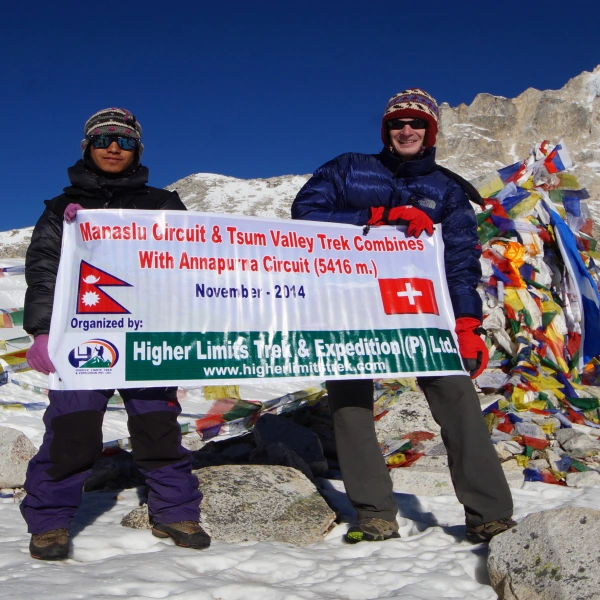
- Manaslu Circuit and Tsum Valley Trek - 22 Days
- Manaslu Tsum Valley and Annapurna Circuit Trek - 34 Days
Explore our guide on Hidden and Less-Explored Treks in Nepal for off-the-beaten-path, quiet, and less crowded trekking options.
Cost for 14 Days Manaslu Circuit Trek
The cost of the Manaslu Circuit Trek depends on several factors, including group size, trek duration, level of service, and the season you choose to travel. Since the trek lies in a restricted region, permit fees and guide requirements also influence the overall price.
Our standard Manaslu Circuit Trek package starts from US$850 per person for larger groups. The price is US$950 per person for groups of 2–6 trekkers and US$1,100 for solo trekkers.
The package price covers all the essential trekking expenses, including accommodation during the trek, meals, required permits, transportation, and the services of a licensed guide.
Personal expenses such as Wi-Fi, porter, charging fees, hot showers, drinks, snacks, travel insurance, and tips for guides and porters are not included. We recommend carrying some extra cash for these expenses, as ATM facilities are not available along the trekking route.
For a complete breakdown of what is included and excluded, please refer to the Cost Includes and Excludes section.
Why book the 14 Days Manaslu Circuit Trek with Higher Limits Trek?
Higher Limits Trek & Expedition is a government-registered trekking company located in Thamel, Kathmandu, Nepal since 2009. Higher Limits is also a member of the Nepal Tourism Board, TAAN, NMA, and KEEP. With years of experience in the Manaslu Region, we ensure a safe, well-organized, and memorable Manaslu Circuit Trek.
Real Experience in Manaslu: For many years, we have been organizing multiple treks in the Manaslu region with a 100% success rate. Read verified reviews from our past guests to see what travelers say about their Manaslu journey with us. View Our TripAdvisor Reviews
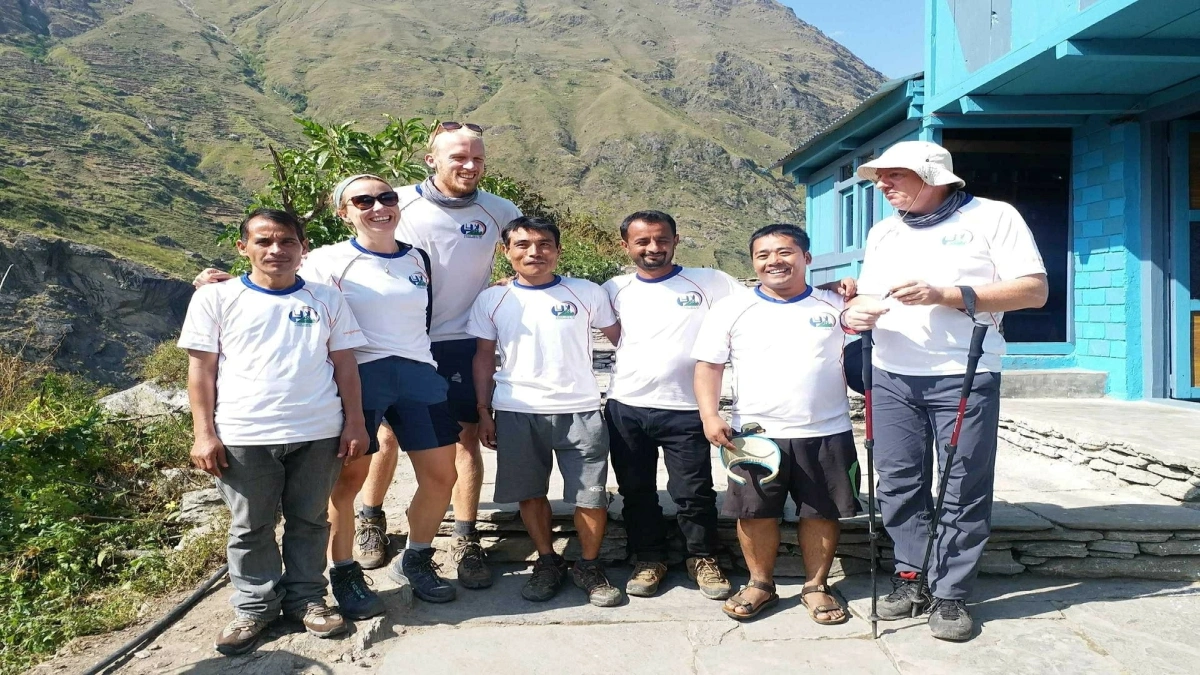
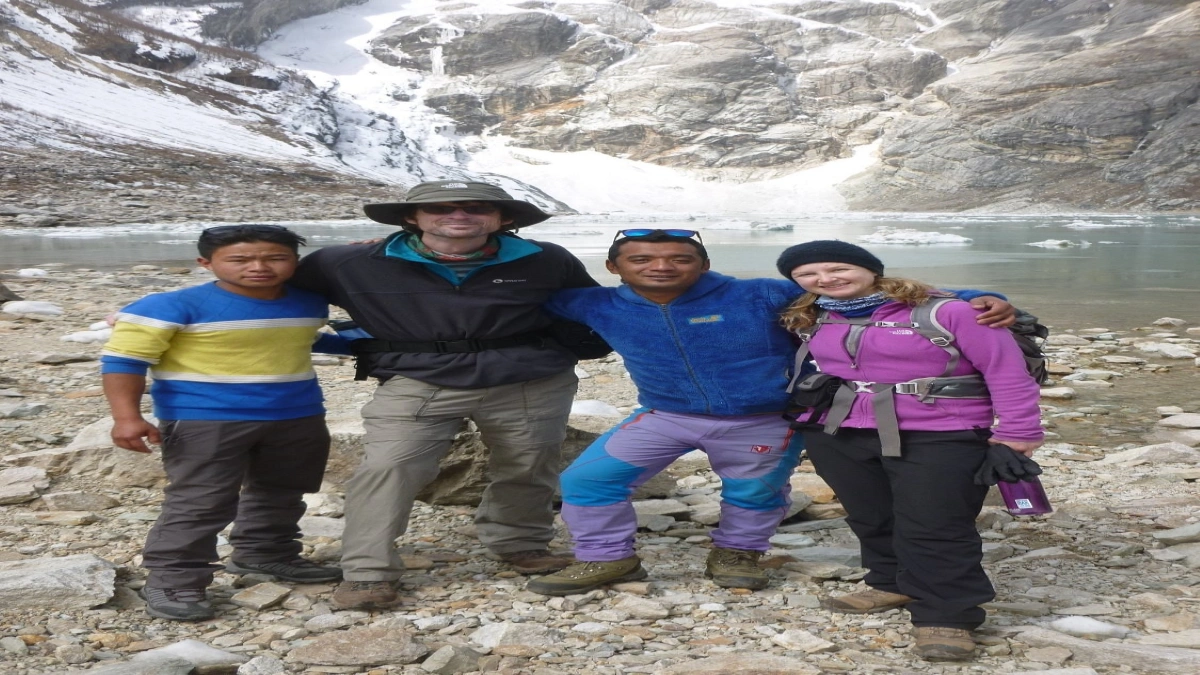
Licensed and Friendly Guides & Porters: Your trekking guides and porters are licensed and experienced, and are local and know about the mountains, culture, and people.
Transparent Pricing with No Hidden Cost: The cost is transparent, with clear inclusions and exclusions; no surprises or extra costs along the journey. The price you see includes all services listed in the "Cost Includes" section. Before confirming your booking, we will clearly explain what's included and what is not.
Well-managed Itinerary: The itinerary is a carefully planned schedule with a proper acclimatization day for a smooth and enjoyable trek.
Seamless Permit Process: We efficiently arrange all required permits.
Safety Priority: Your safety comes first. We provide experienced guides, proper support, and altitude awareness throughout the trek.
Medical Kit & Oximeter: Your guide carries a first aid kit and an oximeter in case of any emergencies during the trek.
100% guaranteed departures: Once you book your trek with us, there is a 100% guarantee that your trip will run. We operate all confirmed departures unless travel becomes impossible due to extreme weather, government restrictions, or safety concerns. If changes are required, we will offer the best available alternatives.
Tailor–Made Itinerary: You can customize the Comfort Manaslu Circuit Trek as you wish, like extending the rest days and more.
Book Your Standard Manaslu Circuit Trek Today
Ready to experience one of Nepal's most rewarding trekking adventures? Join our Manaslu Circuit Trek and discover remote mountain villages, ancient monasteries, and stunning Himalayan scenery while crossing the Larkya La Pass (5,106 m).
Whether you are traveling solo, with friends, or in a group, we offer flexible departure dates, experienced local guides, and comfortable teahouse accommodation throughout the journey.
Contact us today to check availability, customize your itinerary, or reserve your place on the Manaslu Circuit Trek in Nepal.