Tsum Valley Trek- 15 Days

76 Reviews in TripAdvisor
20 Reviews in Google

The Tsum Valley Trek is a 15-day moderate trek into the sacred, restricted Tsum Valley in Nepal’s northern Gorkha district, located near the Tibetan border. In the Tsum Valley Trek itinerary, you don’t need to cross a high pass, unlike most Manaslu region routes. In this trekking journey, you will explore deep Tibetan-Buddhist culture, ancient monasteries, Mani walls, and Milarepa’s meditation caves. The highest point of the trek is Dhephyudonma Gompa (4,060m). The best seasons for the Tsum Valley Trek are spring (March-May) and autumn (September-November). The required Tsum Valley Trek Permits are the Restricted Area Permit (RAP) — must be arranged through a registered operator, and a licensed guide is required.

Duration
15 Days
Trip Grade
Moderate
Country
Nepal
Maximum Altitude
4060 M
Group Size
1-12 Pax
Starts
Kathmandu
Ends
Kathmandu
Travel Style
Trekking
Best Time
Sep-Nov & March-May

The Tsum Valley is one of the Himalaya’s sacred hidden valleys in the far north of Gorkha. In local beliefs, it is a beyul - a hidden valley, blessed in legend by Guru Padmasambhava as a place of refuge and peace. It was closed to outside visitors, even for Nepali, until 2008; you can sense the reflection of Tibetan-Buddhist culture and tradition. The name Tsum comes from the Tibetan word “Tsombo,” meaning vivid, and the Tsum Valley is often called the Valley of Happiness.

This 15-day Tsum Valley Trek follows the Budhi Gandaki River up through forests and stone-built villages into the Upper Tsum Valley, passing ancient monasteries, long mani walls, and Milarepa’s meditation cave on the way to Mu Gompa. It is a cultural and spiritual journey—the Tsum Valley is remote, uncrowded, unlike the busier Everest or Annapurna trails.

Tsum Valley Trek Highlight:

  •  Trek into a sacred, hidden valley (beyul) that was only opened to trekkers in 2008
  • Walk across the remote Budhi Gandaki trail through Gurung and Tibetan heritage villages.
  • Explore Milarepa’s Piren Phu meditation cave and the monasteries of Mu Gompa, Rachen Gompa, and Dhephyudonma Gompa.
  • Visit the 250m mani walls at Dzong and Phurpe, among the longest in Nepal.
  • Experience the Shyagya non-violent tradition in Tsum.
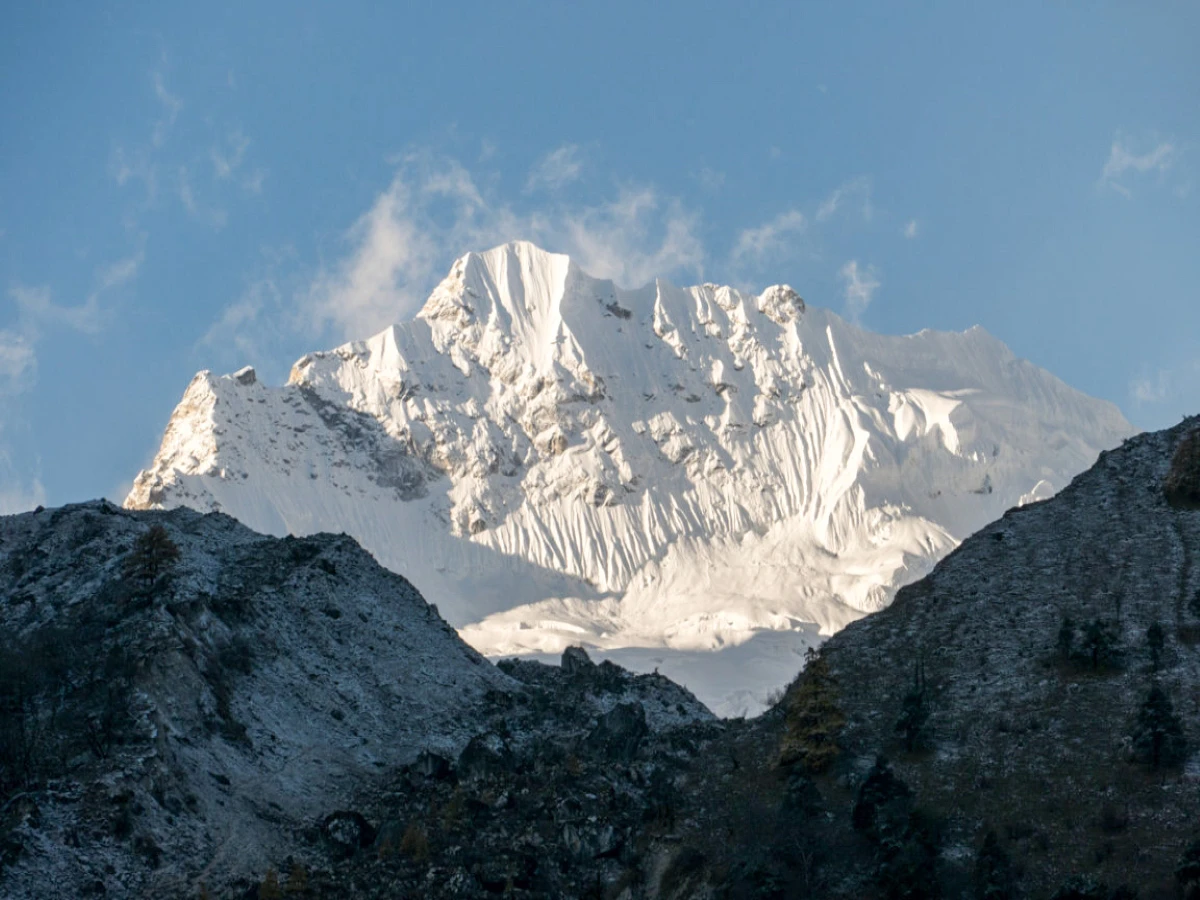
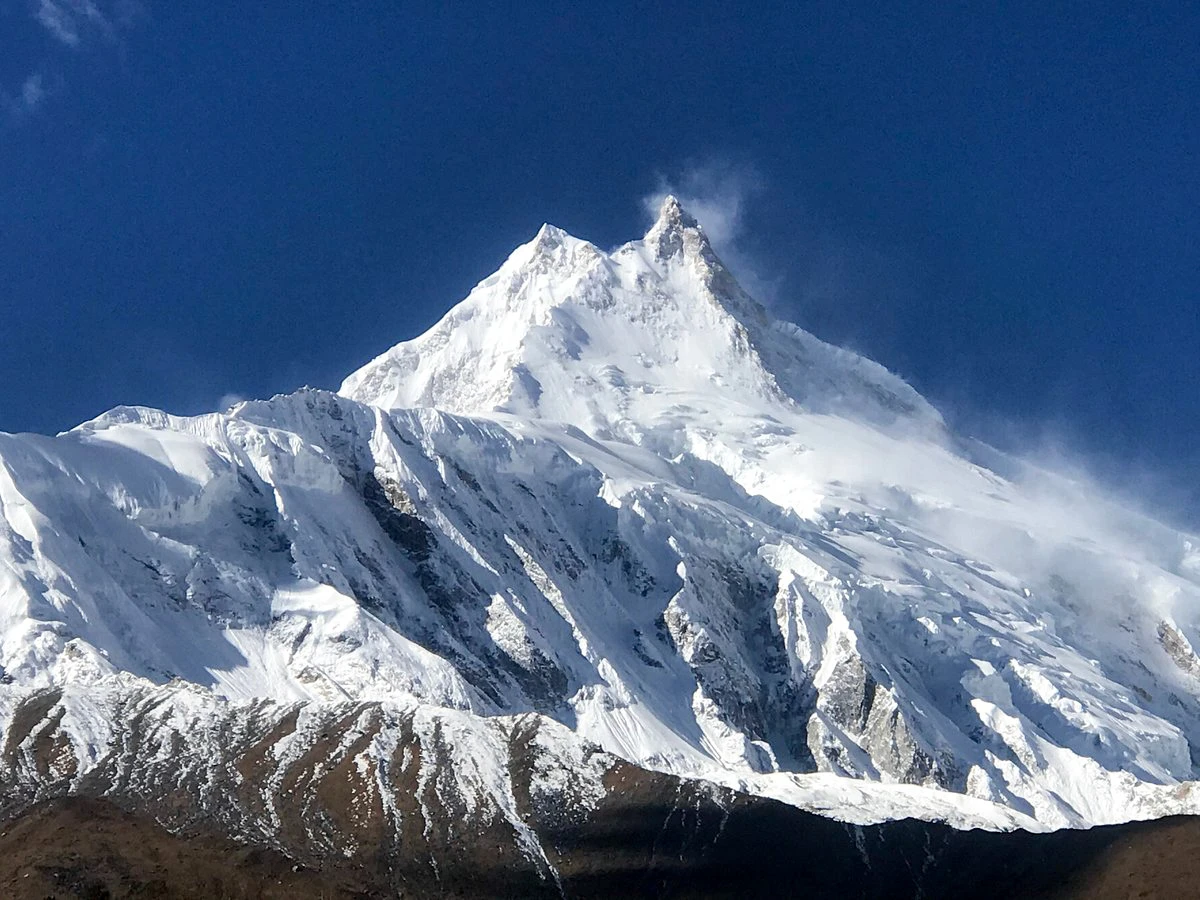
  • Enjoy views of Ganesh Himal, Manaslu, Buddha Himal, Himal Chuli, and Sringi Himal, with glimpses toward Tibet.

What Makes the Tsum Valley Trek Special

A sacred hidden valley

The Tsum Valley is one of the Himalaya’s beyul — sacred valleys said to have been blessed by Guru Padmasambhava as places of sanctuary. It was closed to outside trekkers for centuries, and only opened in 2008, even for local visitors. It has preserved its ancient monasteries, traditions, and way of life in a way few trekking regions have.

The Shyagya vow of non-violence

Tsum Valley is described as “spiritual” because it is one of the places on Earth where non-violence is the actual law of the land. Shyagya is a tradition followed by the local Tsumba people. This tradition forbids killing or harming any living organisms. It is a rare culture followed in the Himalaya and gives Tsum Valley a unique, gentle, and peaceful character.

Experience Living Tibetan-Buddhist Culture

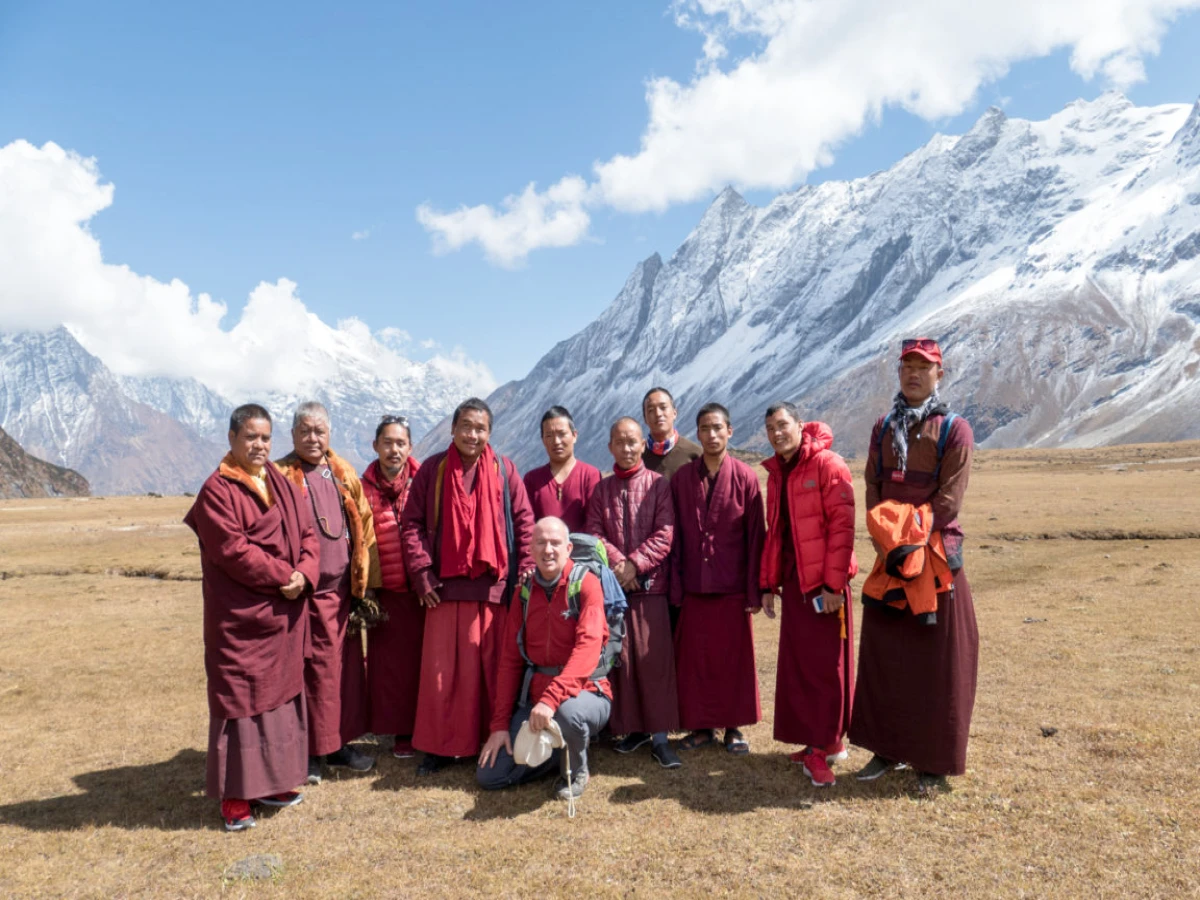
Throughout the Tsum Valley Trek, you will pass through the Chortens, prayer wheels, and mani walls, including the 250m (the longest mani wall of Nepal) at Dzong and Phurpe. You will explore the working monasteries where the monks still live and Milarepa’s cave. You can read our guide to the Monasteries in the Manaslu Region for more details. In the Tsum Valley, some households still practice polyandry, where a woman has to marry the husband’s brother, too. Local women wear traditional Baku and Pangden cloth from the wool of their own sheep. You are not watching the culture; you are walking through it.

Unique Tradition Festivals

If your dates align, you may witness the festivals celebrated in Tsum Valley. Like Lhosar (Tibetan New Year, around February), Saka Dawa (marking the Buddha’s birth and enlightenment, around May-June), Dhachyang (Horse Festival), Nara (Mask Dance Festival), and Faning (Festival of Inner Energy).

Beyond Tsum Valley: More Adventures in the Manaslu Region

The Tsum Valley Trek offers a unique glimpse into the spiritual and cultural heart of the Himalayas, but it is only one part of the Manaslu region. If this hidden valley inspires you to explore further into the Manaslu region, then several remarkable trekking routes reveal different sides of this remote region.

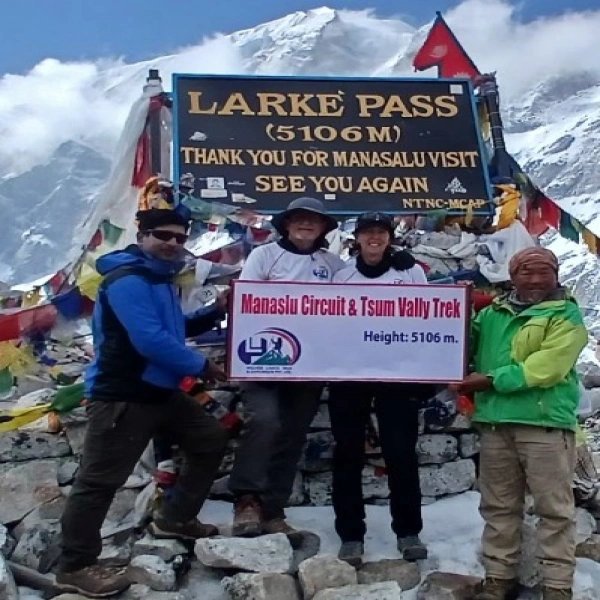
For trekkers looking for a greater physical challenge. The Manaslu Circuit Trek crosses the spectacular Larkya La Pass (5,106m) and offers dramatic alpine landscapes. 

Trekkers who want extra comfort can choose the Comfort Manaslu Circuit Trek, ideal for those who prefer better accommodations in Kathmandu, a more relaxed pace, and better transportation service. It is an excellent option for old trekkers, families, and anyone wishing to experience the beauty of Manaslu without compromising on comfort. 

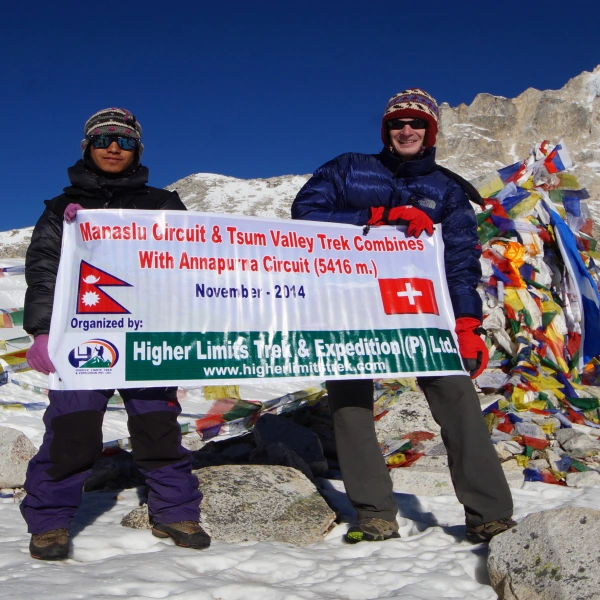
For adventurers wanting the ultimate Himalayan experience, the Manaslu Tsum Valley and Annapurna Circuit Trek connects three of Nepal’s most authentic trekking regions into one extraordinary expedition from Manaslu to Annapurna. 

Those who want the complete experience can combine the Manaslu Circuit and Tsum Valley Trek, blending high-mountain adventure with the rich Buddhist heritage of Tsum.

No matter which trek you choose, the Manaslu region continues to reward travelers with its authentic culture, beautiful landscapes, unforgettable mountain views, and some of the most remote trekking experiences in the Himalayas.  

Why Book the Tsum Valley Trek with Higher Limits Trek?

Higher Limits Trek & Expedition is a government-registered trekking company located in Thamel, Kathmandu, and is a member of the Nepal Tourism Board, TAAN, NMA, and KEEP.

Real Experience in the Manaslu Region: We have guided many trekkers through Manaslu and Tsum Valley for years, so we know the trail, the checkpoints, and culture very well.

Licensed Local Guides: Your guide is government-licensed, trained in first aid, and knows the mountains, the people, and the customs of the valley.

Seamless Permit Process: Tsum is a restricted area with strict permit rules. We handle the full process for you, so there’s nothing for you to arrange yourself. 

No Hidden Cost: The trek cost is transparent with clear inclusion and exclusion, and no extra cost.

Well Managed Itinerary: A carefully paced 15-day plan with an Acclimatization day around Mu Gompa for a safe, enjoyable, and comfortable trek.

Safety First: We carry a medical kit and oximeter and can arrange emergency evacuation if it’s ever needed.

Short Itinerary Outline

Tsum Valley Trek- 15 Days Detailed Itinerary

1Day

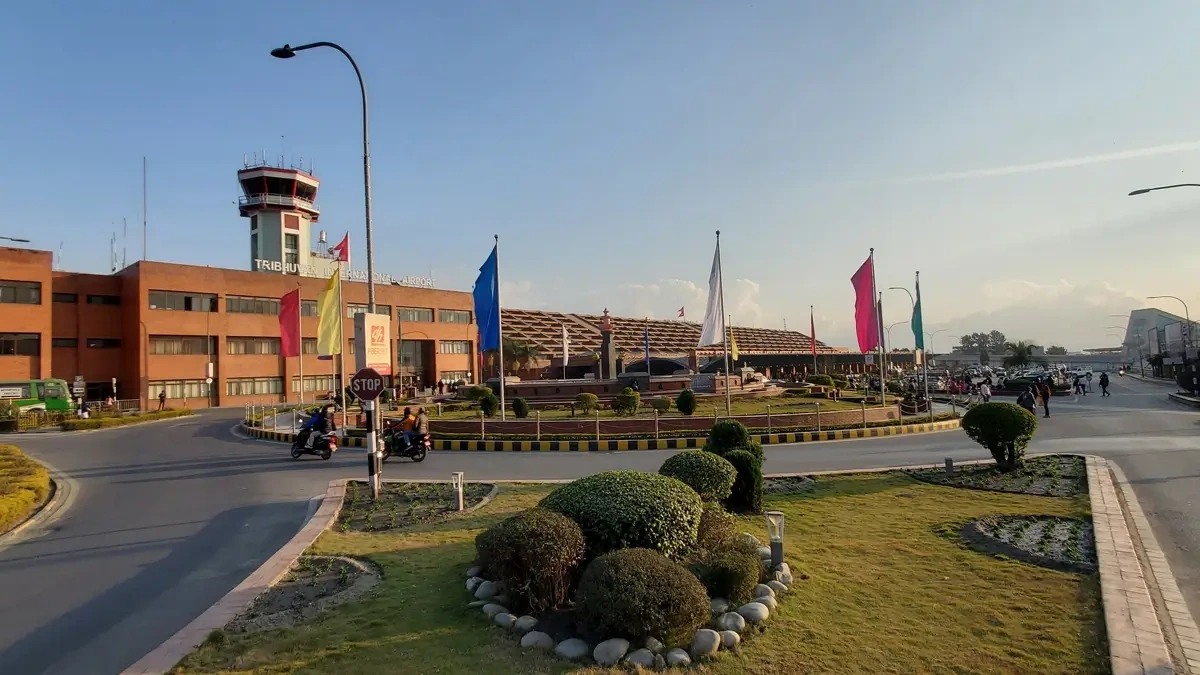
Arrival at Kathmandu Airport & transfer to Hotel

Flying into Kathmandu on a crystal clear day is itself a truly breathtaking experience. The views of snow-capped mountain peaks sprawling down below you are almost ecstatic, & begin a whole sequence of memorable experiences that stay with you for a really long time. Upon arrival, a representative and driver from our office will meet you at the airport and escort you to your hotel. Our team will assist you with the check-in process and provide an orientation about your daily activities. This will be your first overnight stay in the city of temples.

airport-10
2Day

Drive from Kathmandu to Machha Khola

Early morning, after breakfast, drive from Kathmandu to Machha Khola (870m.) takes about eight/nine hours. You drive along the Kathmandu-Pokhara Highway for the first part of the day; after Malekhu, you turn towards the hill bazaar of Dhading Bensi. After Dhading, the road is still good up to Salyantar but quite narrow. After Salyantar, the road is bumpy and dusty, but the beautiful scenery and villages will make your day memorable. You will reach your destination, Machha Khola, late in the afternoon. There is a small market with a few shops, lodges, and donkeys that are kept there. Stay your first night in the mountains in Machha Khola.

3Day

Trek from Machha Khola to Jagat

You cross the Machha Khola [Fish Stream] and head upstream to the tiny village of Khorla Bensi and the hot springs at Tatopani. The valley sides are steep until they are impassable, and the route then switches to the left bank by way of a suspension bridge. The trail is quite exposed and challenging in places. After a short section of forest path, you reach the single teahouse at Doban. Above Doban, the Budi Gandaki descends on an impressive series of rapids. Beyond this steep section, the river is much more placid, meandering across a broad gravel bed. At Lauri, you cross the river on a suspension bridge, and then climb on a high path to the fields of Jagat, where you stop for another night at mountain.

4Day

Trek from Jagat to Lokpa

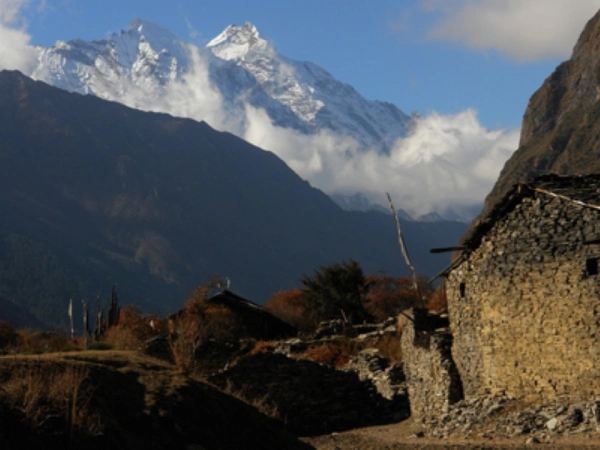
The trek from Jagat to Lokpa follows the Budhi Gandaki River, small villages, terraced fields, bamboo groves, and forests, which gives a glimpse of rural Nepali life. You will also see traditional mani walls, chortens, and prayer flags, which reflect the Buddhist Culture.

On the way, you will see the beautiful views of peaceful mountains. After a few hours, you will reach Lokpa village, where we will stay overnight to rest. It is a small village with few teahouses.

5Day

Trek from Lokpa to Chumling (Lower Tsum)

After a delicious breakfast at the teahouse in Lokpa, we head to Chumling. We descend into the Lungwa River valley. After that, you climb through quiet forests of pine and rhododendron, which offer a peaceful hike. The trails follow through a quiet forest, up and down, crossing some small suspension bridges, mani walls, and chortens.

The path is remote with no villages or teahouse in between. After a few hours, you cross the Syar Khola (a river) via a suspension bridge to reach Chumling village. Chumbling is a small, spiritual village located in the Tsum Valley. You can also visit three monasteries: Panago Gumba, Mani Dhungyur, and Gurwa Gumba. We can also see Ganesh Himal on a clear day.

6Day

Trek from Chumling to Chhokangparo

From Chumling, we trek to Chhokangparo. Upper Tsum valley (part of the Inner Himalaya) opens from Chhokangparo. Chhekamparo is a village situated on flat land and made up of two settlements, Chhekam and Paro.

From the valley, the Ganesh Himal range can be seen directly to the south, where it provides superb views of the Baudha and Himal Chuli peaks to the south-west. Some households in this village practice polyandry.

7Day

Trek from Chhokangparo to Nile, visit Milarepa Piren Phu Cave on the way

From Chhokangparo, we trek to Nile. This is the last village heading north in the upper Tsum Valley. Nile is on the western, sun-side of the Shiar Khola.

On the way, we pass the Piren Phu cave. Piren Phu (pigeon cave) is one of the most sacred caves in the Tsum Valley. It is located at the foot of a rugged cliff near the village of Burji. Milarepa, the famous Tibetan saint, was believed to have meditated here. There are two separate gumbas attached to the rocky cave. Richly painted Buddhist murals, excellent artistic scripts carved on stones, long prayer flags, and significant Buddhists paper scripts make this cave one of the most important socio-cultural assets in the valley. Fantastic views can be had of the Shiar Khola, Rachen Gumba, the mountains, and settlements amidst huge agricultural land.

8Day

Trek from Nile to Mu Gompa (3,700 m) , visit Dhephyudonma Gompa

From the Nile, the trail gradually ascends to Mu gumba, the largest monastery in the region. Mu Gumba is located at the highest and farthest point in the Tsum Valley. Mu Gumba was established in 1895 AD and is situated at an altitude of 3510m. The monastery houses religious books, including Kangyur, a life-sized statue of Avalokiteśvara, and images of Guru Padmasambhava and Tara.

Dephyudonma Gumba is one of the oldest monasteries in the Tsum Valley and is situated in the rugged mountains, a 2 hr walk from the village of Nile. The history of this monastery is directly associated with the dawn of Buddhism in the valley. Lama Serap of Nile Ladrang from the Kangin sect runs the monastery. 

9Day

Acclimatization in Mu Gompa

Enjoy a restful day exploring the spiritual heart of the Upper Tsum Valley. Visit the ancient Mu Gompa Monastery, interact with resident monks, and learn about the region’s rich Buddhist heritage. An optional hike to nearby viewpoints offers stunning views of the surrounding Himalayan peaks and the Tibetan borderlands. This extra day allows you to fully experience the unique culture and peaceful atmosphere of this remote mountain sanctuary.

10Day

Trek from Mu Gompa to Chhokangparo via Rachen Gompa (3,240 m )

From Mu Gumba we take the trail to Chhokangparo via Rachen Gompa, the path walks us through pine meadow and forest, offering a scenic view of Ganesh Himal and surrounding peaks. You rest at Rachen Gompa, a peaceful, remote monastery that reflects the Buddhist architecture.

After resting, the path descends into a narrow valley and passes through small traditional villages. We reach our destination, Chhokangparo village, which is a small village that provides a warm welcome and is perfect for resting. We spend our night at the teahouse in Chhonkangparo.

11Day

Trek from Chhokangparo to Lokpa via Ripchet

After a delicious breakfast at Chhhokangparo, we start our trek to Lokpa, the path descends through quiet forests of rhododendron and pine. We rest at Ripchet, a small settlement with beautiful views of Ganesh Hima.

The journey continues down remote valleys and riversides until we reach Lokpa. We stay overnight at the teahouse in Lokpa. This route is scenic, culturally rich, and quite remote, requiring proper permits and, ideally, a guide for a safe and enjoyable trek.

12Day

Trek from Lokpa to Yaruphant

From Lokpa to Yaruphant:  The trail gradually gains height through pine, bamboo, and rhododendron forests, with beautiful sights of the Budhi Gandaki River valley and surrounding mountains. Along the way, you pass small villages, terraced fields, and suspension bridges, experiencing the traditional Tibetan-Buddhist culture. Yaruphant is a peaceful village with a few teahouses. We will stay overnight at the teahouse.

13Day

Trek from Yaruphant to Machha Khola

The trek from Yaruphant to Machha Khola follows a scenic trail with a mix of gentle descents, short climbs, and riverside paths. Passing through the small village of Khursane and several beautiful waterfalls, the route continues via Labubesi before following the Budhi Gandaki River through forests and terraced fields. The day concludes at Machha Khola, a lively village where you will spend the night in a local teahouse.

14Day

From Maccha Khola drive back to Kathmandu

After completing the Tsum Valley Trek, we drive back to Kathmandu from Machha Khola. The journey follows scenic mountain roads alongside rivers, terraced hillsides, and traditional villages, offering one last glimpse of the beautiful landscapes of the Manaslu region. Upon arrival in Kathmandu, you will be transferred to your hotel for some well-deserved rest.

In the evening, enjoy a special farewell dinner hosted by Higher Limits Trek, where you can celebrate the successful completion of your adventure, share memories with fellow trekkers, and experience authentic Nepali hospitality.

15Day

Transfer to the airport for your flight to Home

Today marks the end of your unforgettable Tsum Valley adventure. Depending on your flight schedule, you may have some free time to explore Kathmandu, shop, or relax before your departure.

Our team will transfer you to the airport and assist with your onward journey. As we farewell, we hope the memories of the Himalayas, the warm hospitality of the local people, and the incredible landscapes will stay with you for years to come. We look forward to welcoming you back for another adventure with Higher Limits Trek in the upcoming days.

Still Confuse?
No worries — Our team is ready to guide you every step of the way.

Cost Details

Includes

Permit & Paperwork

  • Tsum Valley Restricted Area Permits (RAP)
  • Manaslu Conservation Area Project (MCAP) Permit
  • Chumnubri Rural Municipality Permit
  • All government taxes and paperwork

Accommodation

  • Two nights at a 3-star hotel in Kathmandu (before and after the trek) with breakfast
  • 12 Nights of teahouse/lodge accommodation during the trek on a twin-sharing basis

Meals

  • Breakfast, lunch, and dinner during the trek with a cup of tea or coffee
  • Seasonal fruits after dinner
  • Daily breakfast in Kathmandu
  • Farewell dinner with a cultural program

Transportation

  • Airport pick-up and drop-off with an escort
  • Kathmandu to Machha Khola by local bus
  • Machha Khola to Kathmandu by local bus

Guide & Porter

  • Experienced, government-licensed English-speaking trekking guide
  • Guide’s food, drinks, salary, insurance, equipment, transportation, accommodation, and local tax are fully covered
  • If you hire a porter, then the porter’s food, drinks, salary, insurance, equipment, transportation, accommodation, and local tax are fully covered, but there will be an extra charge (available on add-ons)

Equipment

  • Sleeping bag, down jacket, and duffel bag (need to be returned after the trek)

Health and Safety

  • Arrangement of an emergency helicopter evacuation service (paid by your travel insurance)

Complimentary

  • T-shirts and trekking map
  • Trip completion certificate

Excludes

Meals & Drinks

  • Lunch and dinner in Kathmandu
  • All alcoholic and non-alcoholic drinks, bottled water, chocolate bars, and bar bills

Flight, Visa, Insurance & Personal Documents

  • Nepal entry visa fees and International flight 
  • Travel insurance covering trekking up to 6,000m and emergency helicopter evacuation (compulsory)

Optional Transportation service

  • Private Jeep from Kathmandu to Machha Khola and back to Kathmandu (available as an Add-On for an extra charge)
  • Trekking porter service (available as an Add-On)

Personal Expenses

  • Personal trekking equipment and clothing
  • Laundry, telephone, hot showers, heater charges, and camera battery charging on the trek
  • Tips for the guide, porter, and staffs

Sightseeing & Extras

  • Sightseeing and monument entrance fees in Kathmandu and during the trek 
  • Anything not mentioned in the “Includes” section

Add-Ons & Options

The price of the trip is depence on what serives you take from us so that we have plenty of options on Add Ons section such Helicopter, Porters, Extra Guides and more.

We suggest you to hire a porter to carry your bag pack while on the trek, trekking with a light day pack is much easier and you enjoy your trekking holidays to the fullest. A trekking porter carries about 20-25Kg (about 10-12Kg from each of you) and we suggest you to hire a one porter for two trekkers.

Do you need accommodation for extra nights in Kathmandu ? You can add hotel stays at a (2-3) - star hotel with breakfast included. The cost is $50 per night for a single room and $ 55 per night for a double room.

If you are uncomfortable traveling by bus, then you can upgrade the transportation to a private jeep from Kathmandu to Machha Khola. The drive takes about 7-8 hours through Dhading Besi and Arughat. In one jeep, 5 passengers can travel.

If you are uncomfortable traveling by bus after trekking, then you can upgrade the transportation to a private jeep from Machha Khola to Kathmandu. The drive takes about 7-8 hours. In one jeep, 5 passengers can travel.

Still Confused? Consult an Expert.

Equipment Lists for Tsum Valley Trek- 15 Days

While packing for “Tsum Valley Trek,” warm clothing is important to ensure comfort and safety, while non-essential gear, such as a knife, may simply come in handy. Here we have a suggested packing list to guide you in preparation:

(Note: This is just a guideline to help you with your preparation.)

Upper Body Layers
+
  • Warm down jacket or insulated jacket
  • Thermal inner layer (especially in winter)
  • Fleece or sweater (layering is recommended)
  • Windproof or waterproof outer shell
  • T-shirts
  • A thick pullover/fleece
  • Rain Coat (Necessary)
  • Win stopper
  • Water & windproof four-season down jacket (can be rented in Kathmandu)
Lower Body Layers
+
  • Shorts/Skirt for sunny days
  • Trousers/track suit or long pants
  • Thermal long underwear
  • Thermal leggings (during colder months)
  • Comfortable trekking pants or warm trousers
Footwear & Accessories
+
  • Walking Trekking boots
  • Scandals for rest (Shoes should be waterproof)
  • Warm socks (Woolen is best)
  • Shoes with good grip (ground can be icy or uneven)
Head & Sun Protection
+
  • Warm Woolen Hat
  • Sun protection hat (Cap)
  • Flashlight with spare batteries
  • Sunglasses with UV protection (sunlight is strong at high altitude)
  • Lip balm with SPF
Personal & Medical Kits
+
  • Personal prescription medications (if any)
  • Basic first-aid kit (band-aids, pain reliever, etc)
  • Motion sickness tablets (if prone to airsickness)
  • Hand sanitizer or wet wipes
  • Tissue or pocket wipes
  • Reusable water bottle (stay hydrated)
  • Energy snacks (Chocolate, dry fruits, energy bars)
Travel Documents
+
  • Passport or valid ID (required for flight check-in)
  • Cash for personal expenses or an optional breakfast
  • Travel insurance copy (digital or printed)
Miscellaneous
+
  • Swiss army knife
  • 2-pin plug for charging camera and phone
  • Power bank 
  • Extra camera batteries (cold weather drains batteries faster)
  • Small backpack
  • A camera or smartphone for photography

Essential Information

Tsum Valley Trek Difficulty and Fitness

The Tsum Valley Trek is moderate in Nepal. There is no technical climbing or high passes. But most days involve 5 to 7 hours of walking with regular ascents and descents. The trail is remote with simple facilities. The highest point of the trek is 4,060m (Dhephyudonma Gompa), which is high enough for mild altitude effects but well below the levels of high-pass treks.

Who can do the Tsum Valley Trek?

You will do well on this trek if you can walk for several hours, you have done at least one multi-day hike before, and you are happy with simple food and lodging. You don't need previous Himalayan experience, but some background with back-to-back walking days makes a real difference to how much you enjoy it.

A Few Things to Know Before You Book

Tsum Valley is a remote teahouse trek, so you need to be mentally and physically prepared. If you are new to multi-day walking, try a couple of back-to-back hikes before the trek starts. If you have any health concerns, it is better to consult your doctor first. During the trekking days, expect simple lodges rather than hotels. We will always try our best to arrange a hot shower in available places, but be prepared that they won’t be available throughout the whole trek. 

If you are fit and really want a cultural adventure, the Tsum Valley Trek is ideal for you. But still not sure if it’s the right fit? Get in touch, and we will talk it through honestly.

How to Train for the Tsum Valley Trek

You can start preparing about two to three months before you travel. The best exercise is to walk often on hills or stairs rather than on flat ground. It’s better to add cardio, like running, cycling, or swimming, to build stamina. A bit of leg and core work will also help.

If you can, the best practice is to have back-to-back hiking days on a weekend with a light daypack, so your body gets used to walking while tired. And wear the same boots you'll trek in beforehand, so they're broken in well before you fly.

Once You’re on the Trail

On the trail, the pace matters more than fitness. A slow, steady rhythm throughout the walking day will help you get further than rushing. It is the safest way to let your body adjust to the altitude. You need to drink plenty of water and eat well, even though you are feeling. The steepest day is the climb from Chumling to Chhokangparo, where you gain over a thousand meters. Your guide will keep an easy pace there, and the extra day around Mu Gompa gives your body time to catch up.

One last thing worth knowing: being fit helps you enjoy the trek, but it doesn’t make you immune to altitude. The aim isn’t to be the fittest person on the trail; it’s to finish each day with enough energy left to enjoy where you are.

Permits for the Tsum Valley Trek

Tsum Valley is a government-restricted area, so the permit rules are stricter than on open treks. As of March 2026, you no longer need a second trekker to get a permit; solo trekkers are now allowed. But you still need a government-licensed guide, booked through a registered trekking agency. In other words, you can trek alone, but not without a guide. Higher Limits Trek & Expedition arranges the required permits for you. You need the following three permits for this trek.

Tsum Valley Restricted Area Permit (RAP)

This is the special permit that will let you enter the restricted area, and its cost changes with the season:

September to November (autumn): USD 40 per person for the first 7 days, then USD 7 for each additional day.

December to August (winter, spring, summer): USD 30 per person for the first 7 days, then USD 7 for each additional day.

This permit can only be issued through a registered trekking agency, which is why a licensed guide is part of every Tsum Valley Trek.

Manaslu Conservation Area Permit (MCAP):

The Tsum trail crosses through the Manaslu Conservation Area, so you also need this permit, which goes toward protecting the region. 

Fixed cost year-round: NPR 3,000 (approx. USD 23) per person

Chumubri Rural Municipality Permit

Chumnubri Rural Municipality Permit is a local government permit issued by the Chumnubri Rural Municipality. The collected fee is used for local trail maintenance, suspension bridge repairs, and check post staffing of most of the upper Manaslu villages.

Cost: NPR 1,000 per person (approx. USD 8) 

What You Need To Provide

To issue your permits, we just need:

  • Copy of your passport
  • Passport-size photo
  • Trek Itineraries
  • Valid Nepal Visa

Under the 2026 rules, your trekking agency can even start the permit application before you arrive, so you can collect the permits upon your arrival in Kathmandu but you need to apply the Nepal visa online and get the visa number. A TMS card is not required for this trek.  For additional information about how to obtain each of the permits listed above, including the associated fees, and the effects of the new 2026 regulations on your trek, refer to our complete guide to the Manaslu Region Permits

A quick note on cost: government permit fees can be changed from time to time, so always confirm the current rate with you at the time of booking.

Best Time to Trek the Tsum Valley

The best time to trek the Tsum Valley is autumn (September to November) and spring (March to May), when the skies are clear, and the trails are at their best.

Autumn (September to November) - best overall

The most reliable season: clear skies, stable weather, and the sharpest mountain views after the monsoon. Days are comfortable. The trails and monasteries are at their best.

Spring (March to May) - excellent

The spring season provides warmer days, longer daylight, and rhododendron forests in bloom. Visibility is generally good, with occasional afternoon haze later in spring.

Winter (December to February) - not recommended, but can be done

The winter season is not recommended because it is cold, with snow around Mu Gompa and Dhephyudonma, and some upper-valley lodges are closed. 

Monsoon (June to August) - not recommended

The monsoon season brings heavy rain, leeches, limited views, and a real risk of landslides and road blockages on the drive. It’s better to avoid the monsoon season.   

For more information on which season suits you best, read our complete guide to the Best Time to Trek the Manaslu Region.

Tsum Valley Trek- 15 Days FAQs

This trek is 15 days long, including travel from and to Kathmandu, trekking days, and exploring.

The highest point is Dhephyudonma Gompa, which reaches around 4,060 meters depending on the exact route.

The Tsum Valley Trek is moderate, requiring good fitness, stamina, and some high-altitude experience.

The Tsum Valley Trek is not ideal for beginners. It is more suited to fit and experienced trekkers.

It is not recommended for very young children or older trekkers, due to the long duration, high altitude, and challenging terrain. Fit and experienced older trekkers may attempt it with proper preparation and guidance.

Yes, previous trekking experience is recommended for this trek due to its remoteness, long duration, and high-altitude conditions.

The best seasons to do the Tsum Valley trek are: 

  • Spring (March–May) – rhododendron forests in bloom
  • Autumn (September–November) – clear skies and mountain views

Winter is cold but possible, while the monsoon season (June–August) is rainy and slippery.

You’ll stay in guesthouses, lodges, or teahouses, offering simple but comfortable rooms with meals.

Meals typically include breakfast, lunch, and dinner during trekking days. Options include Nepali, Tibetan, and basic Western food.

The required permits for the Tsum Valley trek are:

  • Tsum Valley Restricted Area Permit (RAP)
  • Manaslu Conservation Area Permit (MCAP)

Higher Limits Trek & Expedtion will arrange the required permits for you.

You can issued permits in Kathmandu, however if you book your trip with Higher Limits Trek & Expedition then we will handle the permits for you.

No, solo trekking to Tsum Valley is not recommended because the region is remote, and the trek passes through restricted areas, so a licensed guide is mandatory for safety, permit requirements, and navigation. Even experienced trekkers should travel with a guide to ensure a safe journey.

You should pack trekking shoes/boots, warm layers, rain jacket, sunglasses, sunscreen, daypack, water bottle and trekking poles. A complete guide packing list is provided by Higher Limits Trek & Expedition.

Yes, bottled and boiled water are available at teahouses. We encourages using refillable bottles to reduce plastic waste.

Yes, travel insurance is strongly recommended. It should cover trekking, high-altitude emergencies, medical evacuation, and helicopter rescue if necessary.

Yes, you can charge your phone, camera, and other devices at most lodges along the Tsum Valley trek. A small fee is usually charged, so carrying a portable power bank is recommended.

Wi-Fi is limited on the Tsum Valley Trek. Some lodges offer Wi-Fi for a small fee, but connectivity can be slow or intermittent, especially in remote areas.

A licensed guide is highly recommended for safety and local knowledge and a porter is optional but helps carry luggage, making the trek more comfortable.

Yes, all guides provided by Higher Limits Trek & Expedition are licensed, experienced, and trained in first aid. 

Yes, Higher Limits Trek & Expedition offers private and customized trek based on your preferences and requirements.

Yes, we prioritizes safety with experienced guides, proper planning. So this trek is safe.

No, credit cards are not accepted on the trails, as all the teahouses and local shops operate on cash, so it is important to carry enough Nepali Rupees for personal expenses.

Recommended for You

Bestseller
Manaslu Circuit Trek - 14 Days
(21 Reviews)

Manaslu Circuit Trek - 14 Days

Duration: 14 Days
Price From
US$850
US$950
Manaslu Cricuit and Tsum Valley Trek
(3 Reviews)

Manaslu Circuit and Tsum Valley Trek - 22 Days

Duration: 22 Days
Price From
US$1500
Need Help? Call Us+977 9851163811