
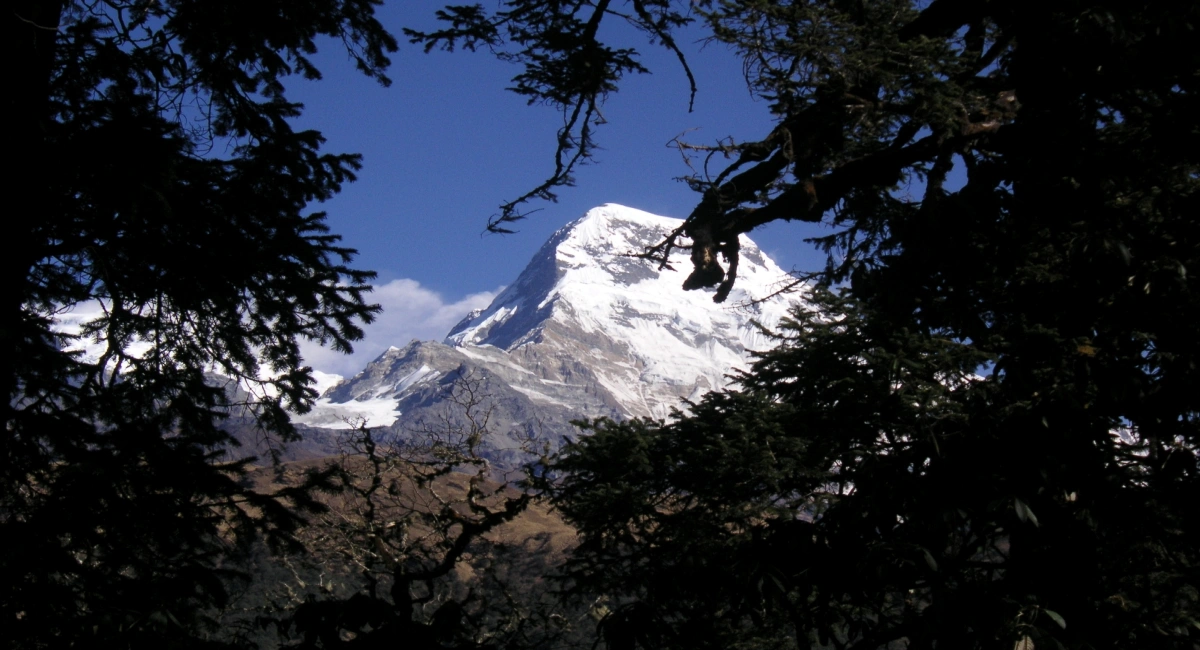
Ghorepani Poonhill Trip Highlights
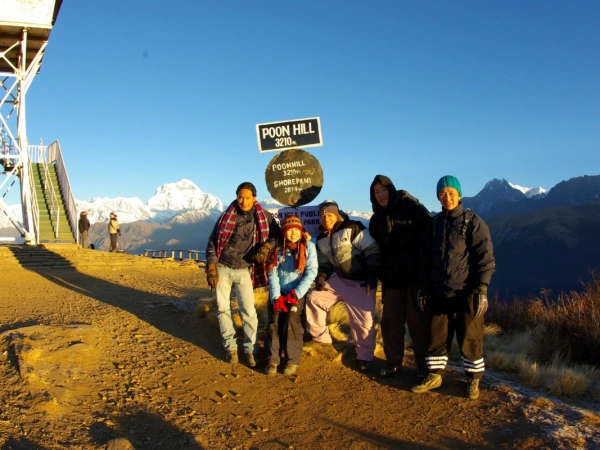
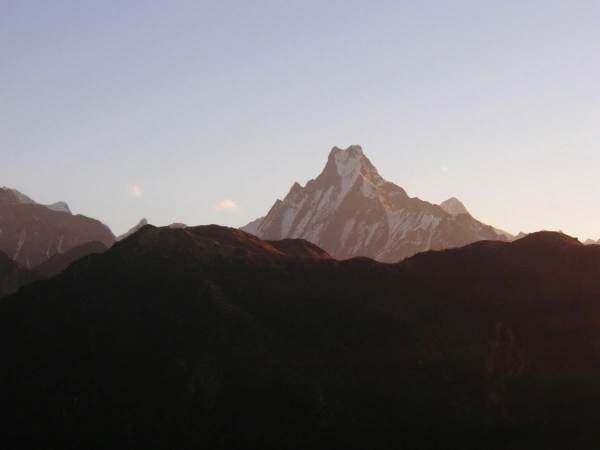
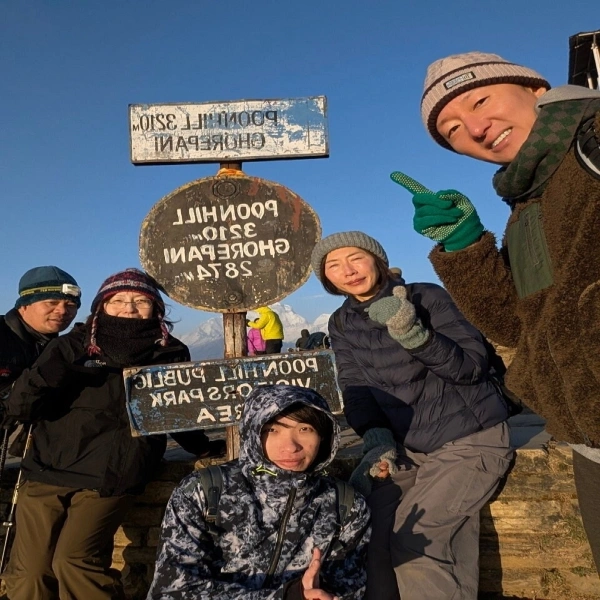
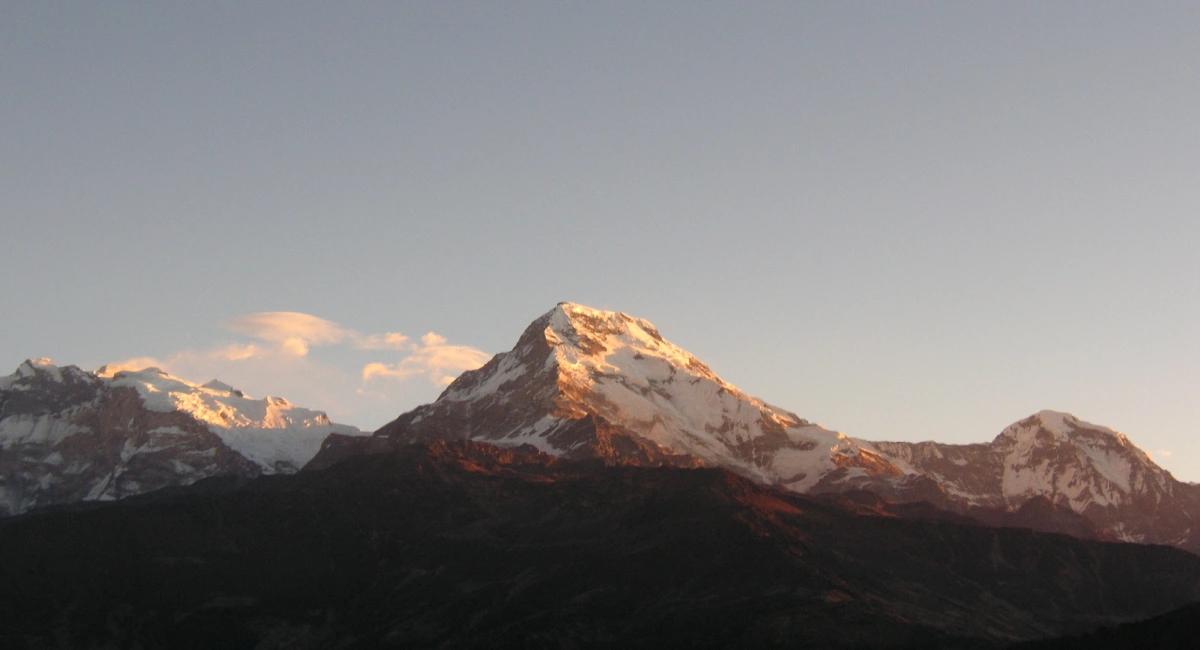
- Stunning sunrise views from Poon Hill
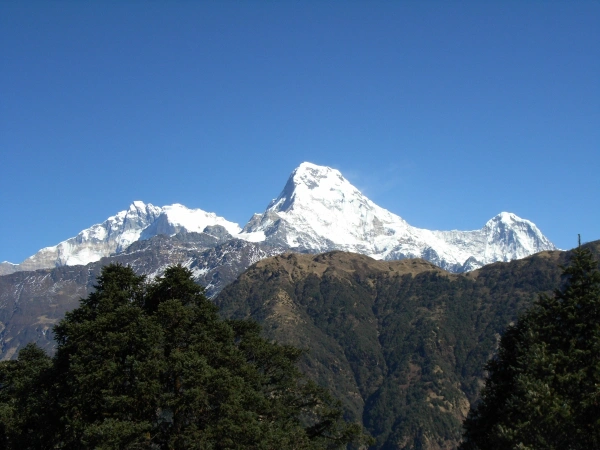
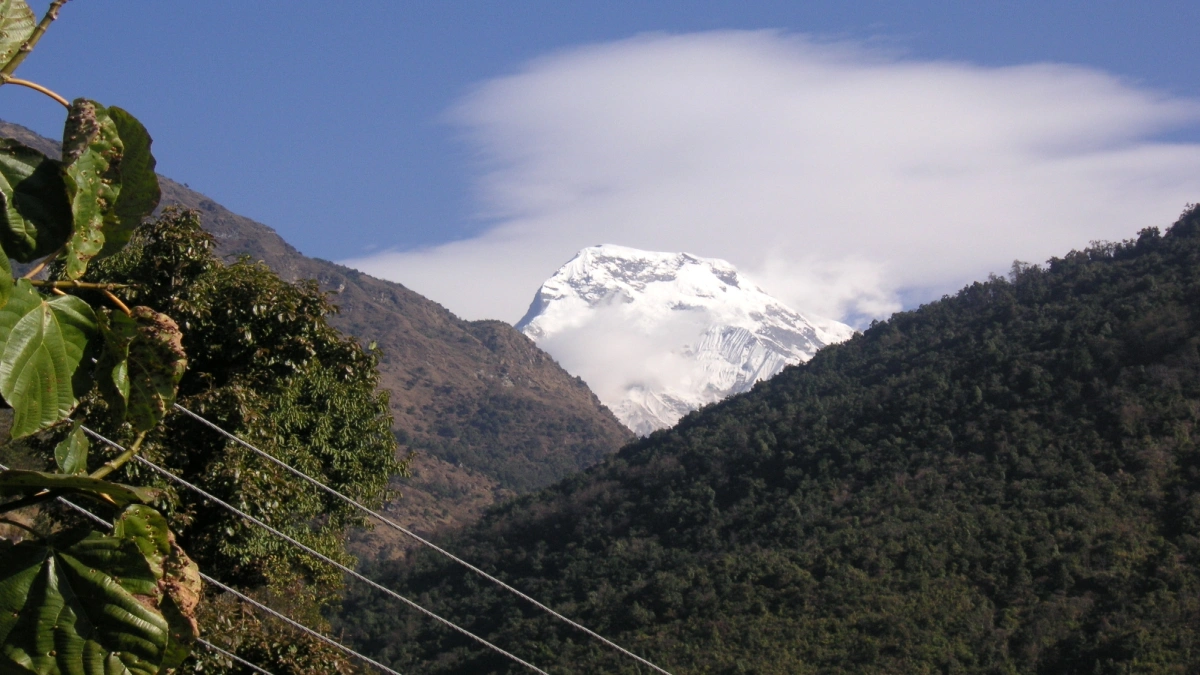
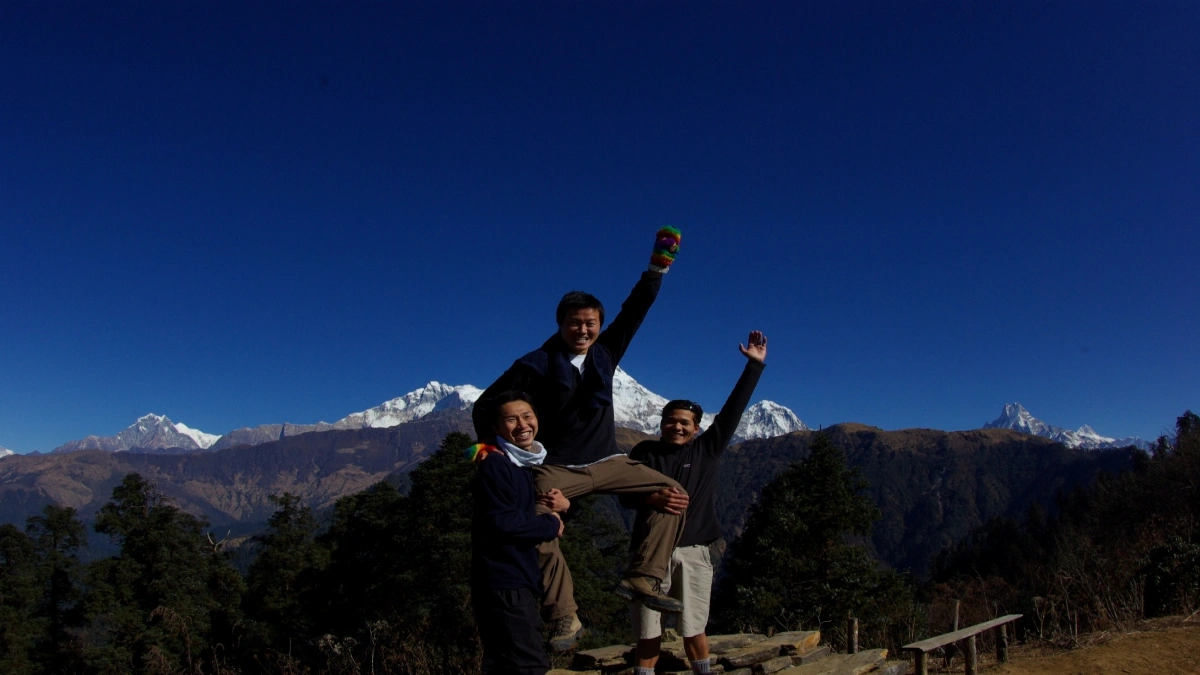
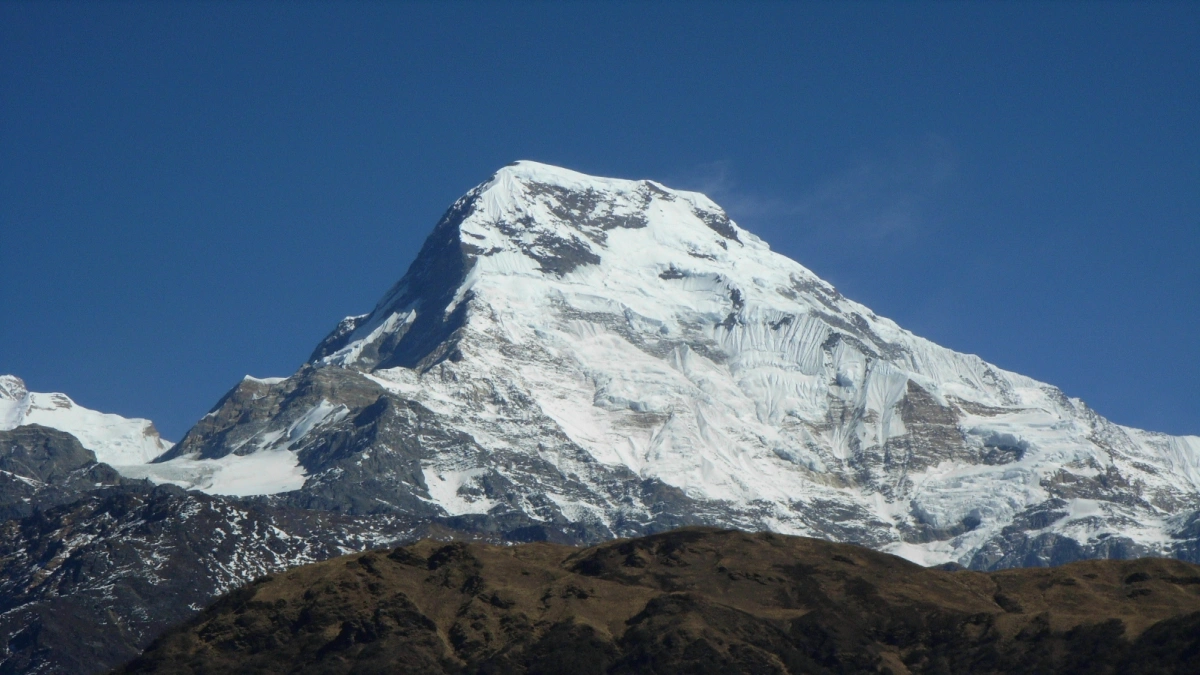
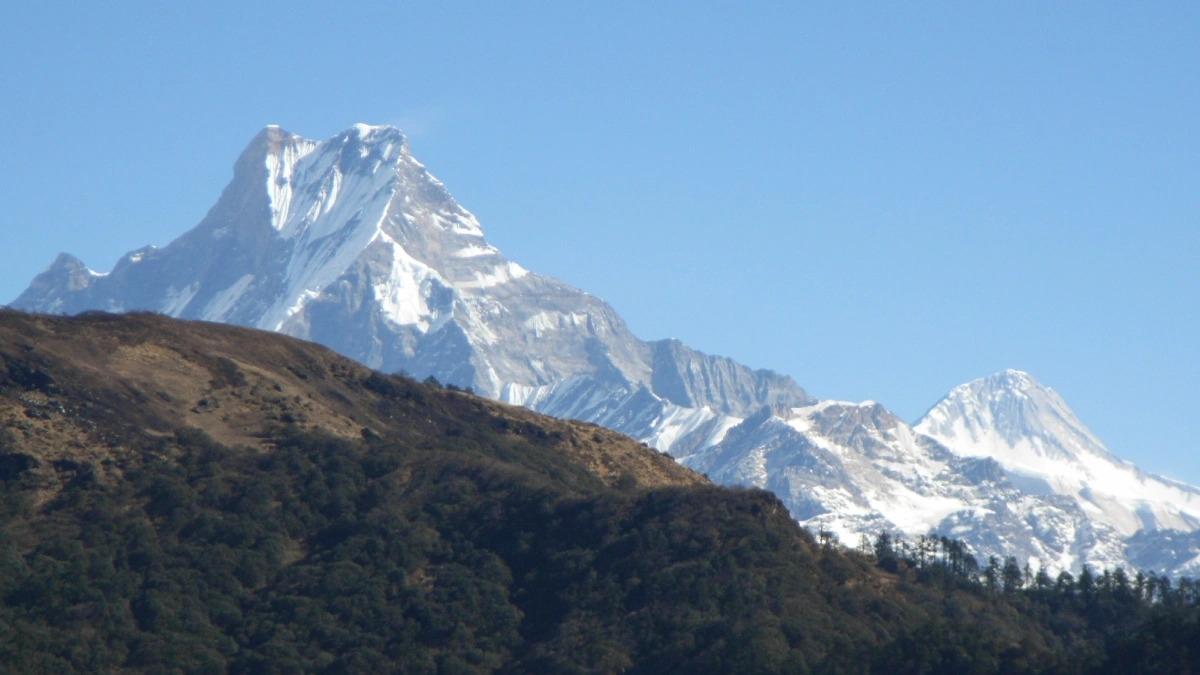
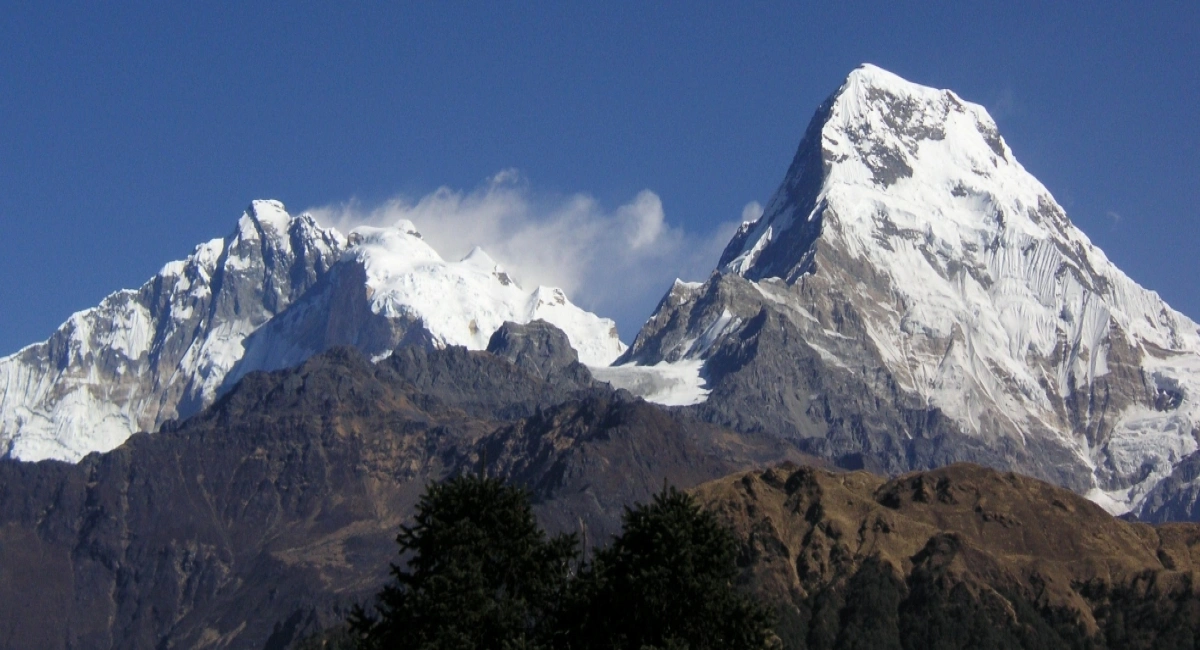
- Amazing views of Annapurna and Dhaulagiri ranges
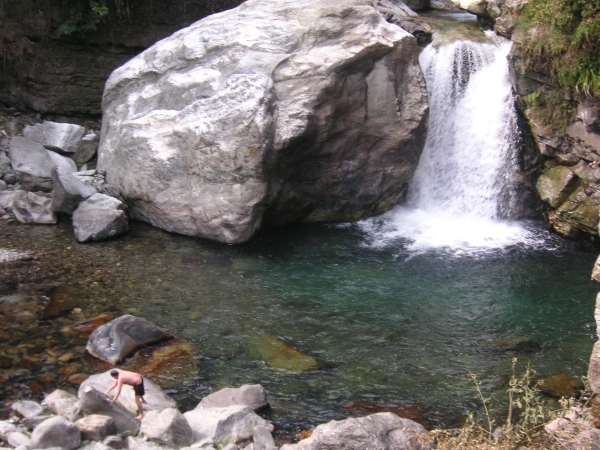
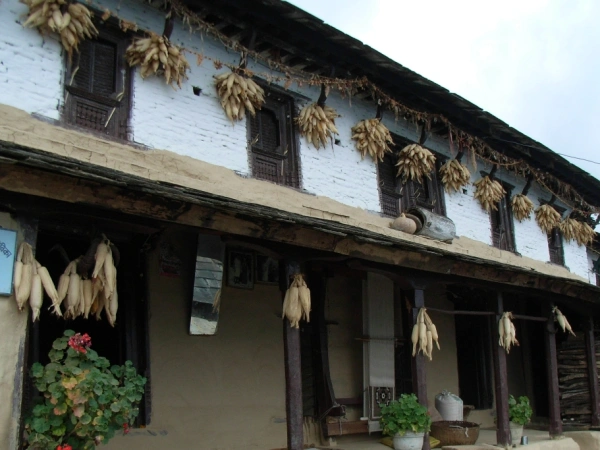
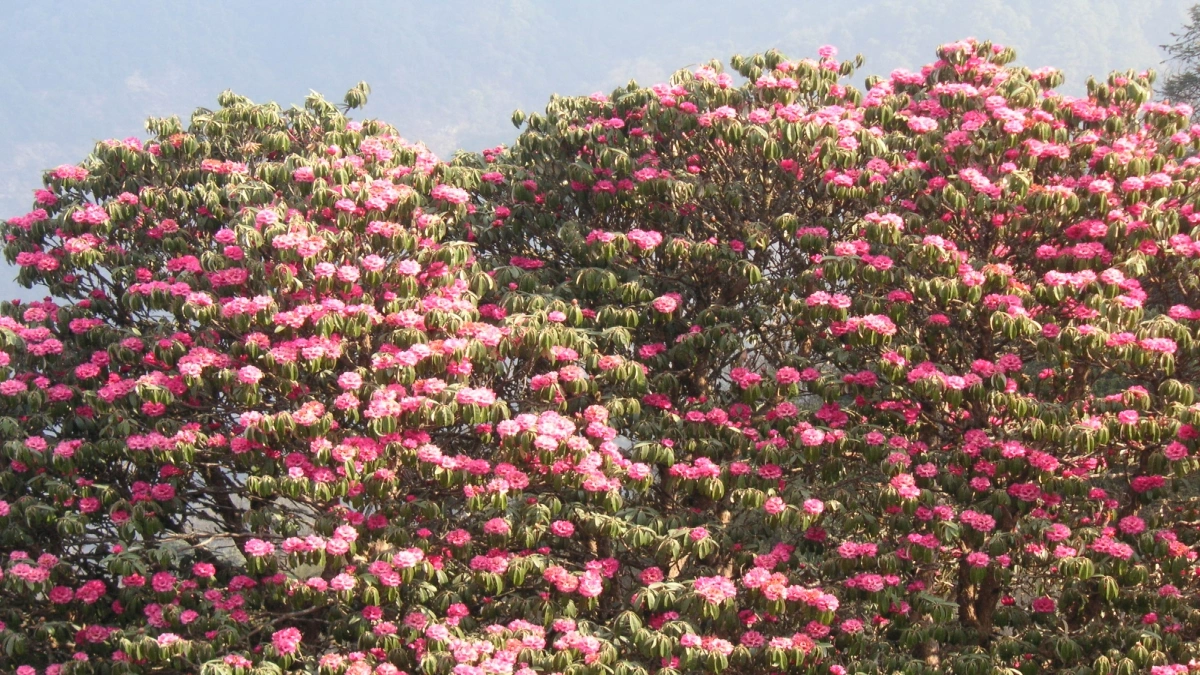
- Walk through rhododendron forests and local villages
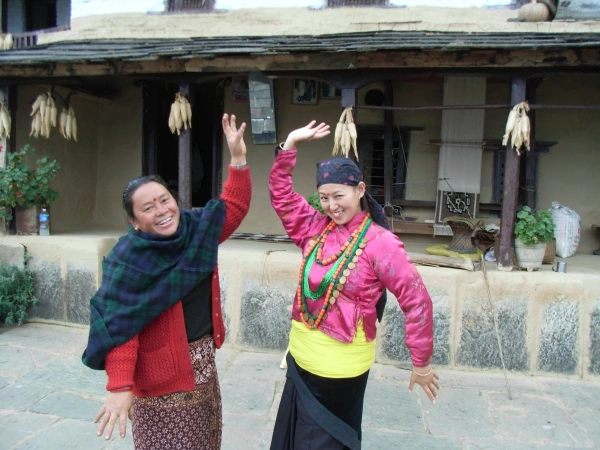
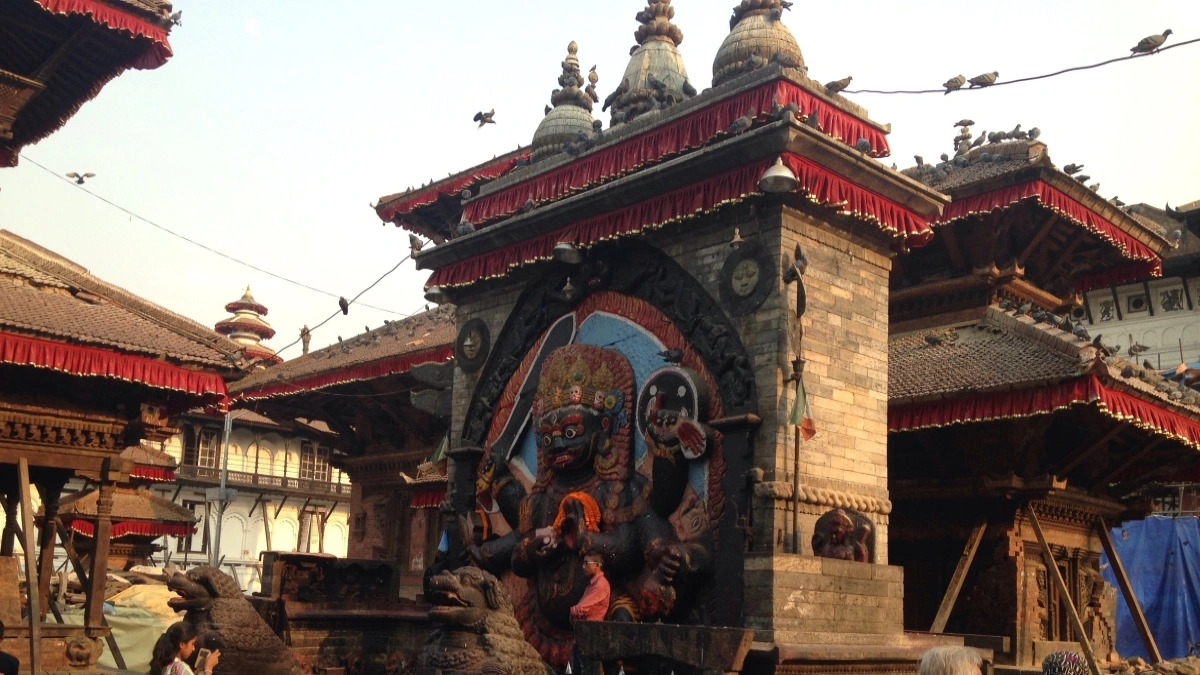
- Experience Gurung and Magar culture
- Short and easy trek, ideal for beginners
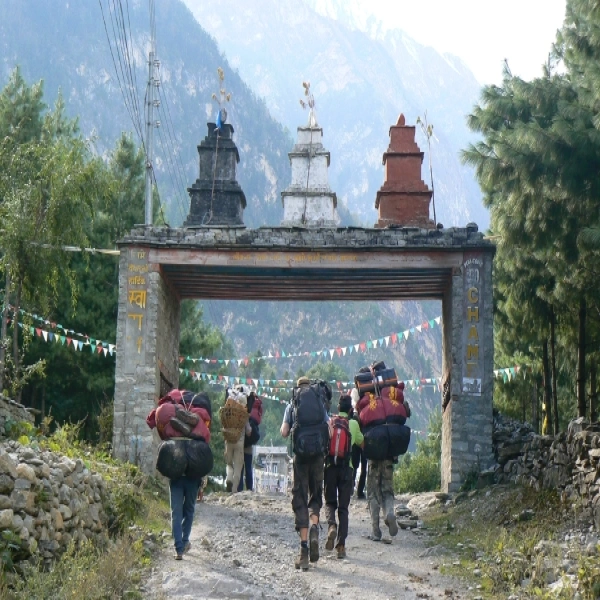
Although the trek is not technically difficult, it does requires a reasonable level of fitness and serves as an excellent introduction or warm-up for more challenging Himalayan adventures. The trail passes through charming traditional villages, terraced fields, and rhododendron forests, it perfectly blends natural beauty and cultural experience.
The Ghorepani Poon Hill Trek can be completed in 4 to 6 days, making it an ideal choice for those trekkers seeking a short yet unforgettable journey in the Himalayas.
Best Time for Ghorepani Poonhill Trek
The best time for the Ghorepani Poon Hill Trek are:
Spring (March - May)
Spring season is one of the best popular times for Ghorepani Poon Hill Trek. During this season the weather is stable, clear sky, and offers the beautiful scenery when trekking through the mountains. The rhododendron trees that grow in the dry forests surrounding Ghorepani Poon Hill are also flowering at this time of year, creating not only a beautiful scene but also providing pleasant weather for travelers. This season is perfect to travel and experience the beauty of nature.
Autumn (September - November)
Autumn is generally considered as the best time for trek in Everest region. After the monsoon season, the atmosphere is clean and free of dust resulting in a clear line of sight to the mountains. Typically, the sky is clear during this time allowing for uninterrupted panoramic views of the beautiful Himalayas including Annapurna and Dhaulagiri ranges. The weather is usually stable, which helps ensure a safe and comfortable trekking experience.
Winter treks are also possible for experienced trekkers, while the monsoon season is less recommended due to rain and cloudy views.
Health & Safety on Ghorepani Poon Hill Trek
The Ghorepani Poon Hill Trek is one of the most popular and easiest treks in Nepal. The Ghorepani trek is ideal for beginners and families, but taking care of your health and safety is important to enjoy the trek.
Altitude Sickness: Prevention & Symptoms
The highest point of this trek is Poon Hill (3,210m), so the risk of altitude sickness is low but still some people may feel mild symptoms.
Common Symptoms:
- Headaches or dizziness
- Nausea or loss of appetite
- Shortness of breath even while resting
- Fatigue or trouble sleeping
How to protect yourself:
- Walk slowly and don't rush
- Drink plenty of enough water
- Eat properly and stay energized
- Take short breaks during the trek
Travel Insurance Recommendations
Even through this trek is easier, it is still important to have insurance:
- High - altitude trekking
- Medical emergencies and evacuation by helicopter
- Hospital stays, medications
Tips for Staying Fit Before the Ghorepani Poon Hill Trek
To complete this trek you don't need to be an expert trekker, but basic fitness will make your journey more enjoyable.
Recommended preparation:
- Go for regular walks or short hikes.
- Do light exercises like jogging or cycling
- Practice walking uphill or climbing stairs
- Stretch your body to stay flexible
With a little preparation, you will enjoy every moment—from walking through forests to watching the beautiful sunrise from Poon Hill.
Why Choose Ghorepani Poon Hill Trek with Higher Limits ?
- Run by Himalayan Travel Experts
- Trailor - Made Trips & Extensive Care
- 100 % Guaranteed Departures
- Specialized in Small Group & Private Trips
- Experienced Local Guides and Professional Drivers
- Hassle-Free Permit and Travel Arrangements
- Reliable Service with Safety as Top Priority