
Annapurna Circuit Trek - 15 Days

76 Reviews in TripAdvisor
21 Reviews in Google

The Annapurna Circuit Trek is one of the most popular trekking routes in Nepal, where you will experience changing scenery, classic mountain views, and stunning landscapes. Over 15 days, you will walk from the lush lower valleys to the high alpine landscapes of Thorong La Pass (5,416 m), the highest point of the trek. The Annapurna Circuit Trek is an excellent choice for trekkers looking for mountain scenery, cultural experiences, and a rewarding high-altitude adventure. 

Duration
15 Days
Trip Grade
Strenuous
Country
Nepal
Maximum Altitude
5,416m.
Group Size
1-12 Pax
Starts
Kathmandu
Ends
Kathmandu
Travel Style
Trekking
Best Time
March -May & Sep-Nov

On this journey, you will have a chance to visit beautiful Manang village, the holy Muktinath Temple, relax at Tatopani natural hot springs, spend a night in the charming village of Ghorepani, and hike to Poon Hill to see its majestic sunrise view. The Annapurna Circuit Trek itinerary offers magnificent views of the Annapurna, Dhaulagiri, Nilgiri, Gangapurna, and many others. Every day is something new and different during the trek, making the Annapurna Circuit one of the most rewarding trekking experiences in Nepal.

Annapurna Circuit Trek Highlights

  • Cross the Thorong La Pass (5,416m), one of the highest trekking passes in the world
  • Explore the beautiful mountain village of Manang and enjoy an acclimatization day
  • Visit the sacred Muktinath Temple, an important pilgrimage site for Hindus and Buddhists
  • Trek through diverse landscapes, from green forests and rivers to high alpine valleys and mountain deserts
  • Experience the culture and traditions of Gurung, Thakali, and Tibetan-influenced communities
  • Walk through traditional villages such as Chame, Upper Pisang, Manang, Ngawal, Thorong Phedi, and Muktinath.
  • Enjoy panoramic views of Annapurna I, Annapurna II, Annapurna III, Annapurna IV, Dhaulagiri, Machhapuchhre, Nilgiri, Gangapurna, Tilicho Peak, and Chulu Peaks
  • Relax in the natural Tatopani Hot Springs after crossing Thorong La Pass
  • Hike to Poon Hill (3,210m) for a spectacular sunrise over the Annapurna and Dhaulagiri ranges.
  • Experience one of Nepal’s most diverse treks, where the scenery, climate, and culture change throughout the journey
  • Celebrate your achievement with a farewell dinner hosted by Higher Limits Trek in Kathmandu

Why Choose the Annapurna Circuit Trek?

The Annapurna Circuit Trek is perfect for travelers who want to experience the diversity of Nepal in a single trek. In this journey, you will experience different landscapes, cultures, traditions, and climates. Every section of the trail feels different, making the trek enjoyable from beginning to end. Whether it’s your first trek in Nepal or you are returning for another Himalayan adventure, the Annapurna Circuit offers an experience that few trekking routes can match.

Cross the Famous Thorong La Pass

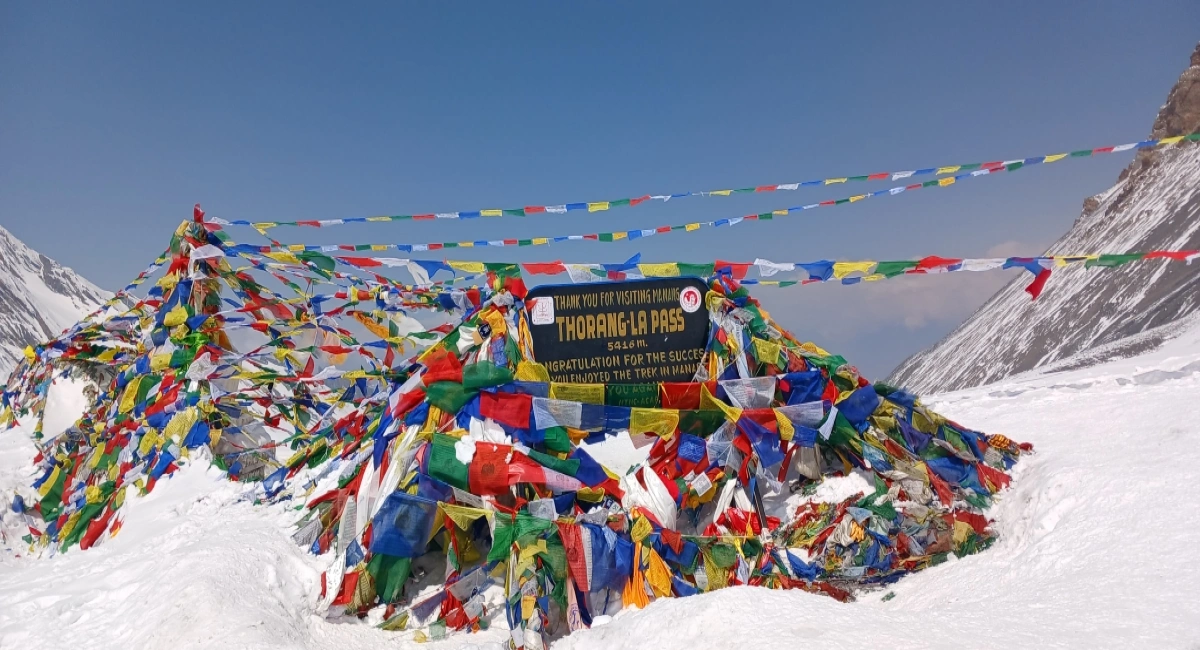
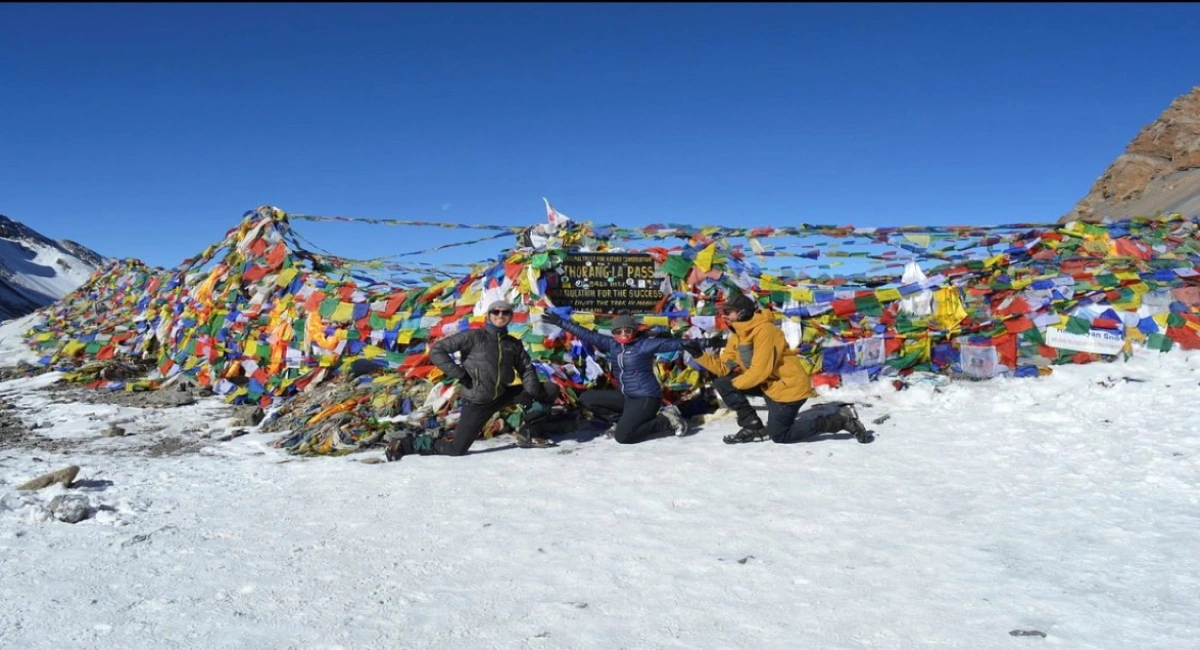
One of the biggest highlights of this trek is crossing Thorong La Pass (5,416m), the highest point in the Annapurna Circuit Trek itinerary. Starting early in the morning, you'll gradually make your way to the top, where you'll be rewarded with breathtaking views of the Annapurna and Dhaulagiri ranges. Crossing Thorong La is a memorable achievement and one of the reasons the Annapurna Circuit is considered one of Nepal's classic treks.

Visit the Sacred Muktinath Temple

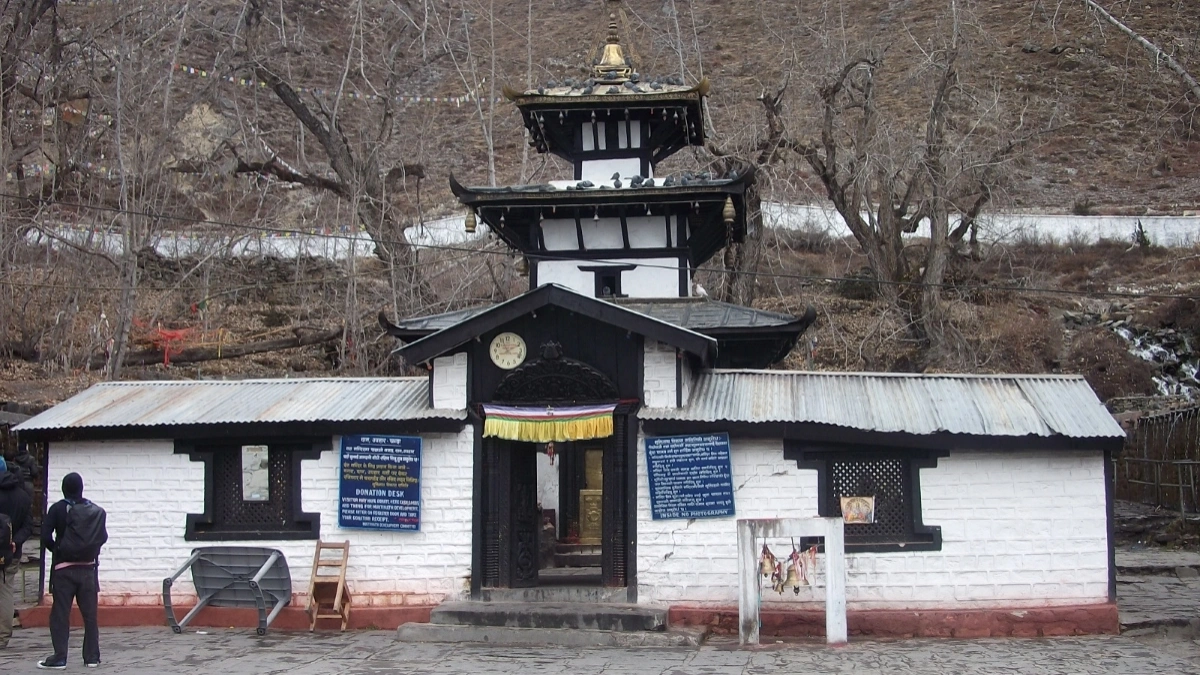
After crossing the Thorang La Pass, you will explore the sacred ancient Muktinath Temple. It is a pilgrimage site for both Hindus and Buddhists. The temple is known for its 108 sacred water spouts. Explore the temple’s unique complex and enjoy the peaceful atmosphere surrounded by the mountains.

Relax at Totapani & Hike to Poon Hill

After days of trekking, you will have the chance to relax in the natural hot springs at Tatopani before continuing the trek to Ghorepani. From there, you will take an early morning hike to Poon Hill (3,210m), one of Nepal’s most famous viewpoints. Watching the sunrise view over Annapurna, Dhaulagiri, Machhapuchhre, Nilgiri, and other Himalayan peaks is the perfect way to end your Annapurna Circuit trekking adventure.

Experience the Culture of the Annapurna Region

The Annapurna Circuit trail passes through traditional villages such as Chame, Pisang, Manang, Tatopani, and Ghorepani, where you will experience the warm hospitality of the Gurung, Manangi, and Thakali communities. Along the way, explore the ancient monasteries, see colorful prayer flags, and mani walls. And also learn about the local traditions of the Annapurna Circuit Trek.    

Is the Annapurna Circuit Trek Right For You?

The trek is an ideal choice for trekkers who want to experience Nepal’s diverse landscapes, mountain culture, and explore several places in a single trek. This trek is suitable for anyone with a good level of fitness and who is comfortable with walking 5-8 hours a day for several days in high altitude. The most challenging day is Day 10, when you cross Thorong La Pass (Highest Trekking Pass of the world) and descend to Muktinath. It can take 8-10 hours, but the incredible mountain views will make the effort worth it.

It is an ideal trek if you:

  • Want to cross the Thorong La Pass (5,416m) wolrd’s highest trekking pass
  • Enjoy walking through traditional mountain villages and exploring local culture
  • Prefer a trek with changing landscapes, from green forests to high mountain deserts
  • Want to visit famous places like Manang, Muktinath Temple, Tatopani, and Poon Hill in one journey
  • If you are looking for a rewarding trekking experience with incredible Himalayan views

The Annapurna Circuit Trek is a rewarding adventure, but it does require good fitness and several days of walking. If you're looking for something shorter or less demanding, we can recommend a trek that's a better fit for you.

A Typical Day During the Annapurna Circuit Trek

A typical day on the Annapurna Circuit Trek usually begins around 6:00 to 7:00 AM. You will wake up to the fresh mountain air, step outside to enjoy the peaceful surroundings, freshen up, pack your bag, and have a warm breakfast before starting the day’s trek around 7:00 to 8:00 AM. Early mornings often bring the clearest mountain views, making it the best time to enjoy the scenery.

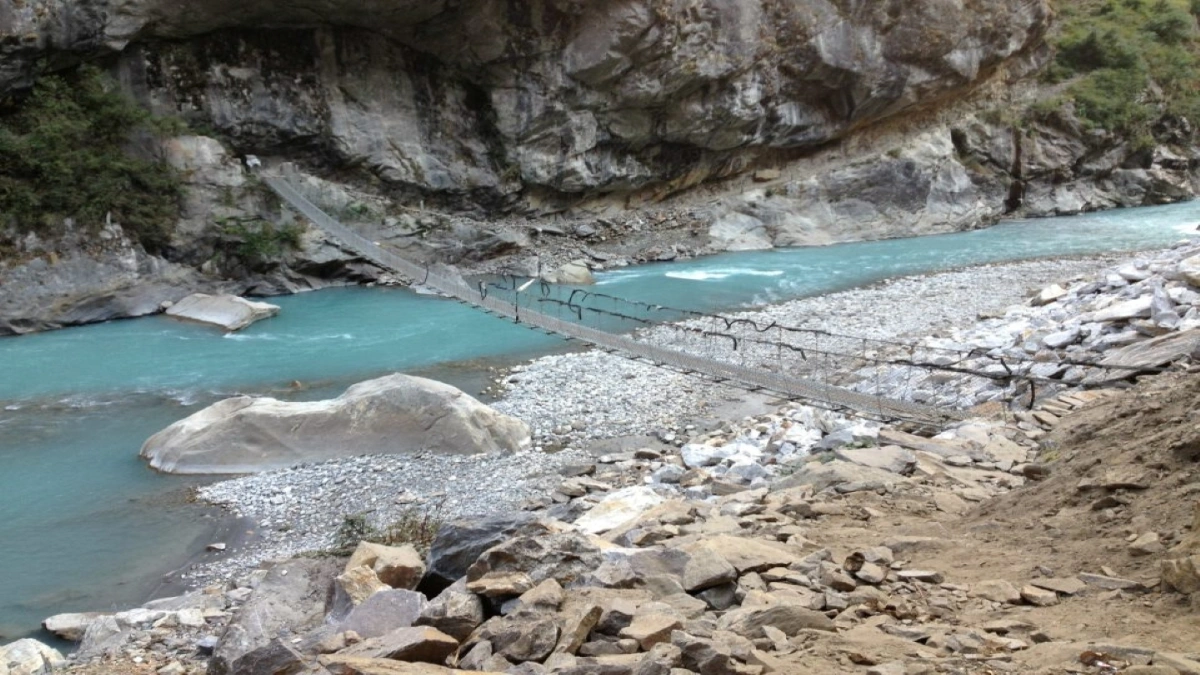
Depending on the itinerary, you will trek for 5 to 8 hours, following scenic trails through the Annapurna Conservation Area, traditional mountain villages, forests, rivers, and suspension bridges while enjoying spectacular Himalayan views.

Around midday, you'll stop at a local teahouse for lunch before continuing your trek. As you gain altitude, you'll notice the scenery changing from green valleys and pine forests to the rugged landscapes around Manang and Thorong La Pass, making every day feel different.

Thorong La Pass day (Day 10) is the most challenging and rewarding day of the trek. You will wake up early, usually around 3:00 to 4:00 AM, and start hiking before sunrise. Starting early gives you the best mountain views and helps you cross the pass before the strong winds usually pick up later in the day. There are no teahouses between Thorong Phedi and Muktinath, so it's important to have breakfast before you leave and carry enough water and snacks. After crossing Thorong La Pass (5,416m), you will descend to Muktinath, where you will enjoy lunch and rest for the day.

By late afternoon, you'll reach your next teahouse, where you can relax, enjoy a freshly prepared dinner, and spend the evening with fellow trekkers. Your trekking guide will explain the next day's route, check on your health, and help you prepare as you continue your journey through the Annapurna region.

Annapurna Circuit Trek Cost

The cost of the Annapurna Circuit Trek depends on the group size. Larger groups receive a lower per-person price as transportation, guide, and operational costs are shared. You will receive the same itinerary and services regardless of the group size.

Our package starts from US$750 per person for groups of 9-12 trekkers. The price is US$800 per person for groups of 5–8 trekkers, US$900 per person for groups of 2–4 trekkers  and US$1,150 for solo trekkers.

The package includes hotel accommodation in Kathmandu, teahouse accommodation during the trek, meals during the trek, transportation as mentioned in the itinerary, the Annapurna Conservation Area Permit (ACAP), a government-licensed trekking guide, and airport transfers.

Please note that travel insurance, Nepal visa fees, personal trekking equipment, drinks, snacks, Wi-Fi, charging fees, hot showers, and any personal expenses are not included.  We also recommend carrying enough cash for personal expenses, as ATMs are not reliable throughout the Annapurna trekking route.  

We believe in transparent pricing with no hidden charges. Before confirming your booking, we will clearly explain everything that’s included and excluded, so you know exactly what to expect. 

For a complete breakdown, please see the Cost Includes & Excludes section. 

Why Book the Annapurna Circuit Trek with Higher Limits Trek?

Higher Limits Trek & Expedition is a government-registered trekking company located in Thamel, Kathmandu, Nepal, and is a member of the Nepal Tourism Board, TAAN, NMA, and KEEP. With years of experience in the Annapurna region, we ensure a safe, well-organized, and memorable Annapurna Circuit Trek.

Hassle-Free Permit Process: We handle all required permits and paperwork, making your journey to the Annapurna Region simple and stress-free.

Transparent Pricing with No Hidden Cost: The price you see includes all services listed in the " Cost Includes" section. Before confirming your booking, we will clearly explain what's included and what is not.

Well-planned 15-Day Itinerary: A carefully paced 15-day plan with an acclimatization day in Manang before Thorong La Pass for a safe, enjoyable, and comfortable trek.

100% Guaranteed Departures: Once you book your trek with us, there is a 100% guarantee that your trip will run. We operate all confirmed departures unless travel becomes impossible due to extreme weather, government restrictions, or safety concerns. If changes are required, we will offer the best available alternative.

Safety First: We carry a medical kit and an oximeter and can arrange emergency evacuation if needed. We coordinate through a local communication network, including satellite (Sky phone) communication when needed.  

Explore Another Trek in Annapurna Region

If you are looking for a shorter or less demanding adventure, the Annapurna Base Camp Trek is a great alternative. The trek offers incredible close-up mountain views, charming Gurung villages, and the chance to stand right at the foot of Annapurna I.

Learn more about the Annapurna Base Camp Trek
Short Itinerary Outline

Annapurna Circuit Trek - 15 Days Detailed Itinerary

On an adventure trek of this type, weather, local politics, transport, or a multitude of other factors beyond our control can result in a change of itinerary. It is, however, very unlikely that the itinerary would be substantially altered; if alterations are necessary, the leader will decide what is the best alternative, taking into consideration the best interests of the whole group. Where a change does occur, we do everything our best to minimize its effect, but we cannot be responsible for the results of changes or delays.

“The above information is a guideline and standard outline of what we provide. Our Annapurna Circuit Trek can be customized at your request to accommodate your specific requirements.” Please feel free to write us.

How the Trek Changes Each Day during the Annapurna Circuit Trek

One of the best things about the Annapurna Circuit Trek is that every day feels different. As you gain altitude, the landscapes, culture, and mountain views continue to change, making each stage of the journey unique and memorable.

Day 2:  Leave Kathmandu behind and travel towards the peaceful Annapurna Circuit Trek

Day 3: Follow the Marsyandi River through forests, waterfalls, and traditional mountain villages

Day 4: Climb higher into the mountains as spectacular views of the Annapurna range begin to show

Day 5: Take the scenic high trail to Ngawal and enjoy stunning mountain panoramas and local culture

Day 6: Reach the beautiful village of Manang, surrounded by towering Himalayan peaks 

Day 7: Explore Manang and take an acclimatization hike while enjoying the stunning alpine scenery

Day 8: Trek through rugged high-altitude landscapes as you make your way toward Thorong La Pass 

Day 9: Continue to Thorong Phedi and prepare for the biggest challenge of the trek

Day 10: Cross Thorong La Pass (5,416m) before descending to the sacred Muktinath Temple

Day 11: Travel through the dramatic landscapes of Lower Mustang and relax in the natural hot springs at Tatopani

Day 12: Walk through forests and traditional villages on your way to Ghorepani

Day 13: Watch a spectacular sunrise from Poon Hill before heading to the beautiful lakeside city of Pokhara

1Day

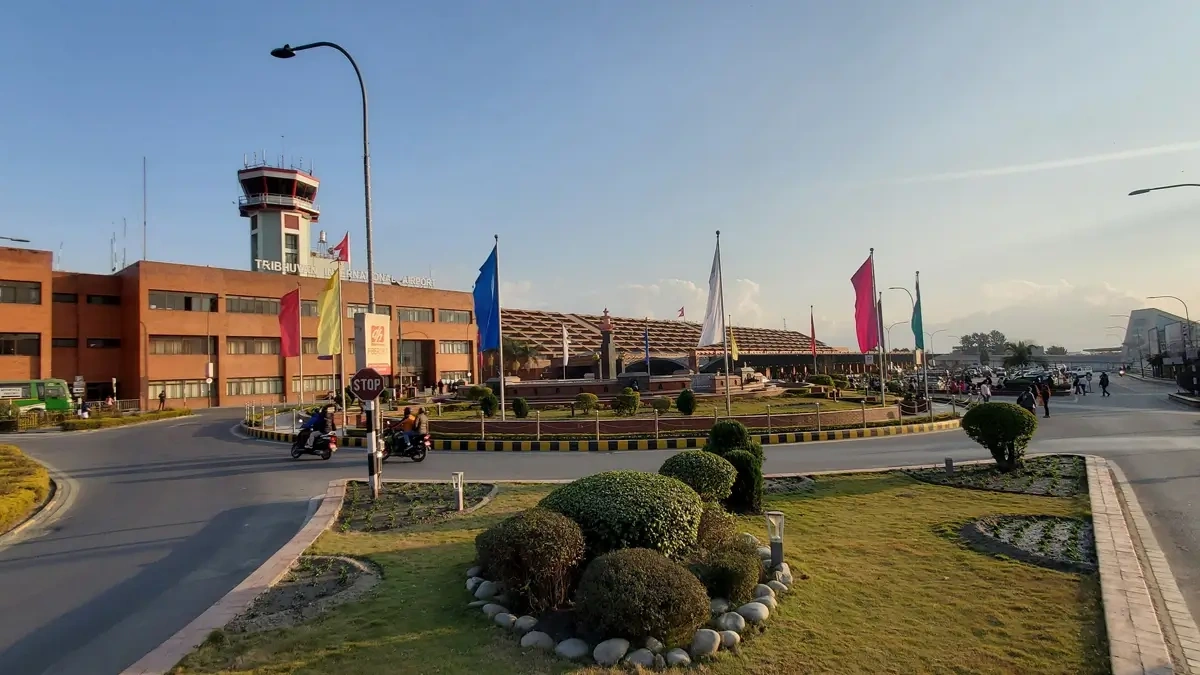
Arrival at Kathmandu Airport & transfer to Hotel

Flying into Kathmandu on a crystal clear day is itself a truly breathtaking experience. The views of snow-capped mountain peaks sprawling down below you are almost ecstatic, & begin a whole sequence of memorable experiences that stay with you for a real long time. Upon arrival, a representative and driver from our office will meet you at the airport and escort you to your hotel. Our team will assist you with check-in process and provide an orientation about your daily activities. This will be your first overnight stay in the city of temples.

airport-11
2Day

Drive from Kathmandu to Dharapani

Today, your Annapurna Circuit Trek begins with an early morning drive from Kathmandu to Dharapani. You will first travel by local bus to Besisahar, the gateway to the Annapurna region. After reaching Besisahar, you will continue the journey by shared local jeep to Dharapani. As you travel deeper into the mountains, the road follows the Marsyangdi River, passing small villages, terraced fields, waterfalls, and beautiful green hills along the way.

By late afternoon, you will arrive in Dharapani, the official starting point of the Annapurna Circuit Trek. After checking into your teahouse, you can take a short walk around the village, enjoy the peaceful mountain atmosphere, and prepare for the first day of trekking tomorrow.

3Day

Trek from Dharapani to Chame

We evade a narrow field from the village. The Dudh Khola, which originates from the south face of Manaslu and then Marshyangdi, steers to the left. Sinuous trails of the Annapurna II becomes visible as we arrive at Bagarchhap, a Bhotia village with colorful prayer flags fluttering in the breeze. As we continue ascending through forests of pine and oak, we pass through Dhanakyu before coming to a thundering waterfall. Further on, the Marshyangdi River enters a gorge and the trail follows a rock-strewn path.

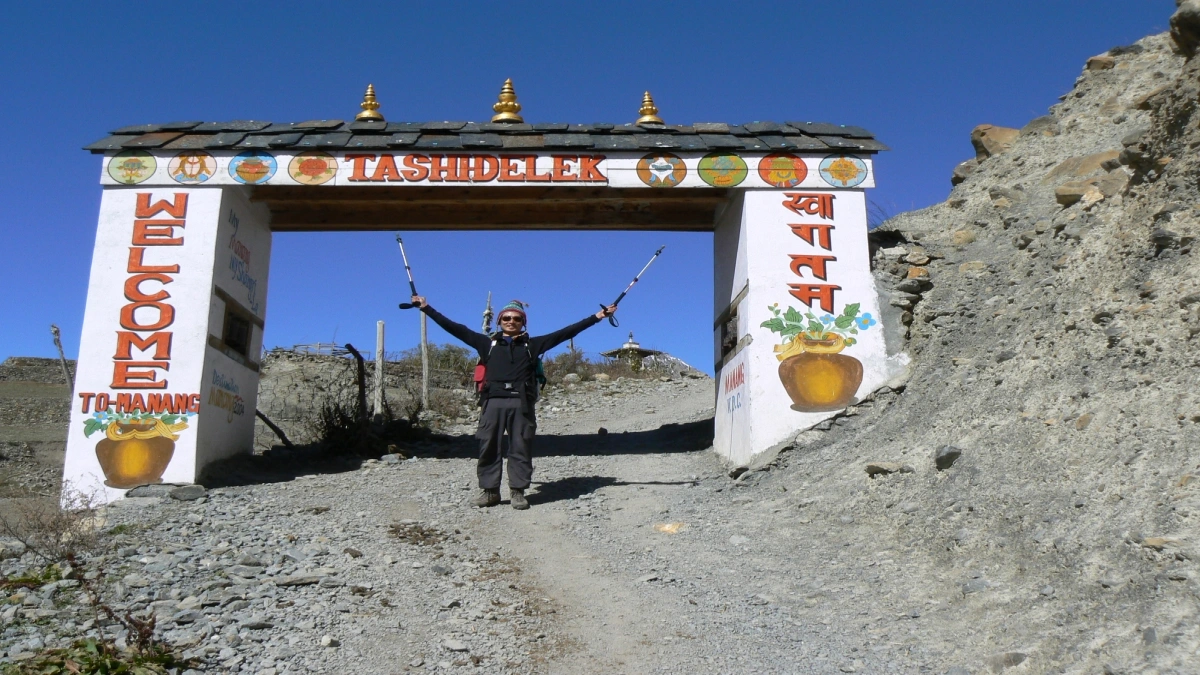
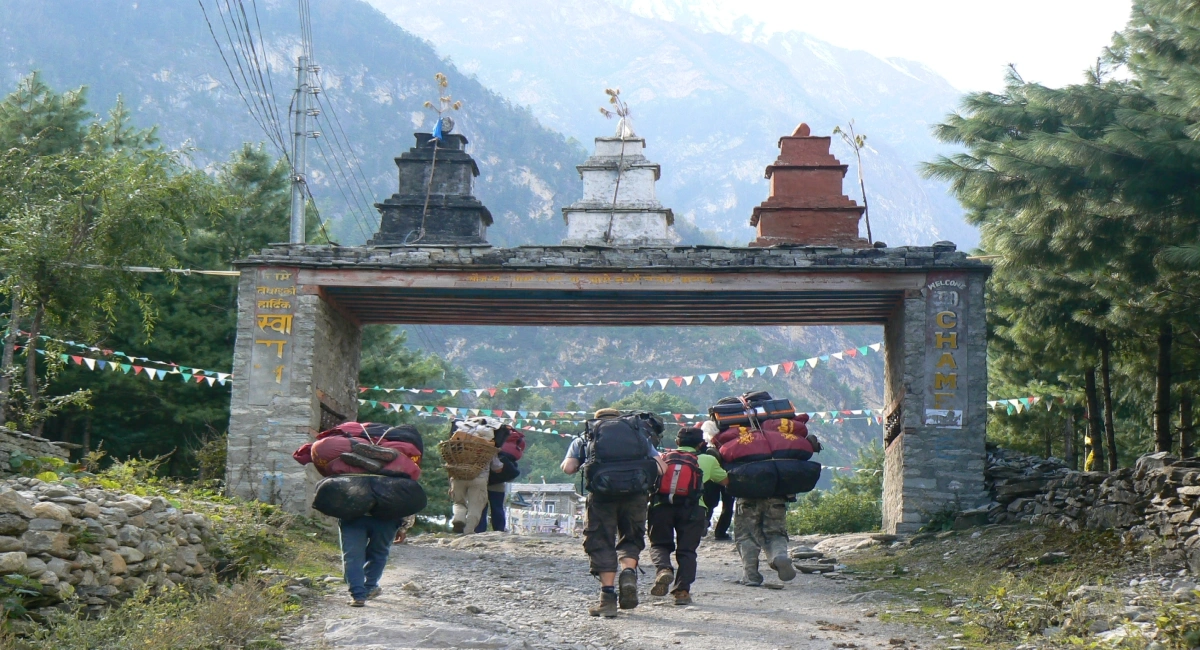
We now grab a breather for a while and take in the splendor of the picturesque Manaslu. When the steep incline ends, we follow a path amid magnificent rhododendrons and continue on a gently rising path. We cross a stream before entering a pine forest. We then enter the pristine hamlet of Kotho, from where we can graps the most enchanting view of Annapurna II. Treading further, the route reaches a large white gate with a corrugated iron roof, which is the entrance of Chame. Chame is the administrative headquarter of Manang district. There is electricity, wireless station, schools, shops, health post, post office, police check post, hotels, lodges and banks that are found in Chame. The hot springs are the major attraction of this place. Stay overnight at Chame.

4Day

Trek from Chame to Upper Pisang

After a mesmerizing sight of the glowing Lamjung Himal [6893m] in the morning, we head off for Upper Pisang. En route, we cross a large suspension bridge along Marshyangdi and approach houses and lodges on the northern side of the river. Our trail then meanders through barley field leading to Teleku at 2775 meters. As we leave undulating mountain passes, we enter fascinating apple orchards near a bridge at 2840 meters. On crossing the bridge, the pristine hamlet of Bratang appears. History has it that Bratang used to be a Khampa settlement.

A stone memorial of a Japanese climber has been built in this place. After leaving the forested village, the valley changes from a V-shape to a gentle U-shape. Before us, the Annapurna mountain range rears up. Further on, we continue our steep, rock-strewn trails to the south side and cross a long suspension bridge at 3040 meters. At this vantage point on the bridge, we get to view Paungda Danda rock rising more than 1500 meters from the river. En route, we get to capture splendid views of Annapurna II rising up on the east with Pisang Peak on the north-east.

We cross a bridge and enter the village of Pisang. From here, we climb gently through pine forests and traditional stone houses toward Upper Pisang, a charming settlement known for its ancient monastery and dramatic mountain scenery. We spend the night at Upper Pisang, enjoying the peaceful Himalayan atmosphere and stunning sunset views over the Annapurna range.

wodden-bridge-to-upper-pasang-
5Day

Trek from Upper Pisang to Ngawal

We continue our trek to Ngawal, the trails gently ascends through pine forests, passing through ancient monasteries, prayer flags, and traditional stone villages offering breathtaking views of Annapurna ll,lll,lV, and Gangapurna. This scenic route is quieter and more rewarding than the lower trail. After a steady walk, we arrive at Ngawal, a beautiful village perched above the valley, known for its Tibetan-style houses and panoramic mountain views. Overnight stay at a lodge in Ngawal.

6Day

Trek from Ngawal to Manang

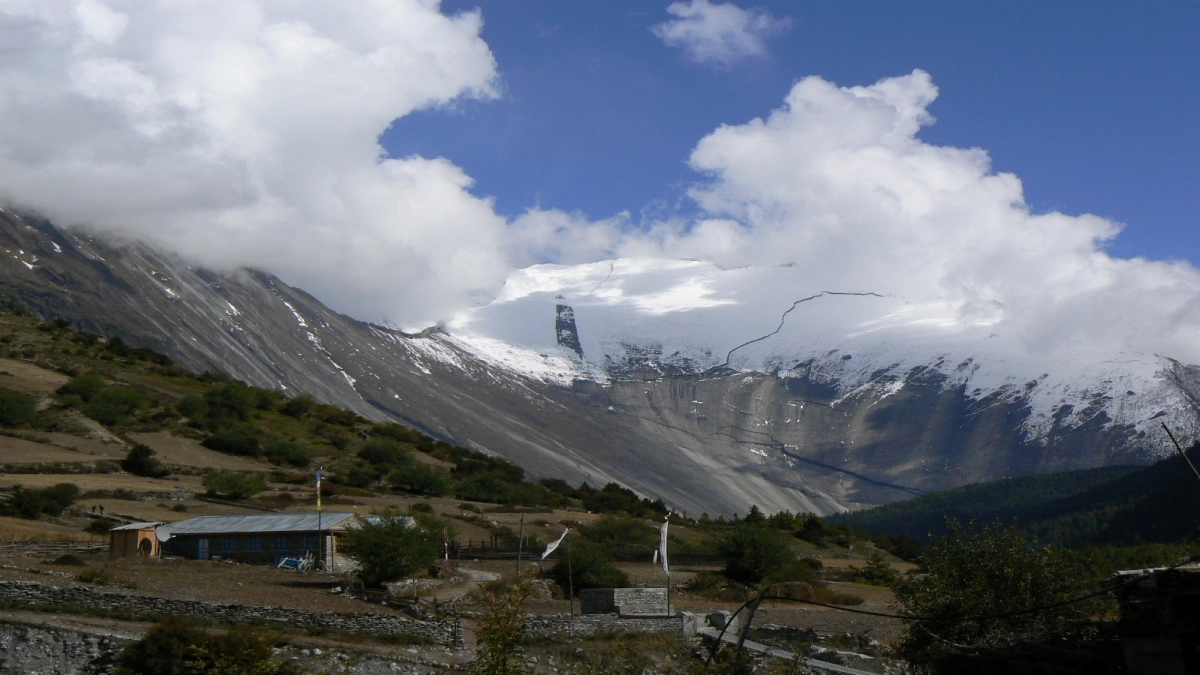
The trek from Ngawal to Manang begins with a gentle descent along a scenic trail, offering spectacular views of Annapurna III, Gangapurna, and Tilicho Peak. Passing through juniper forests, stone chortens, and small settlements, the path gradually leads down to the Marsyangdi Valley. We then continue on an easy, mostly level trail toward Manang, the largest village in the region. Surrounded by dramatic mountain landscapes and glacial valleys, Manang is an important acclimatization stop. Overnight stay at a lodge in Manang.

manang-
7Day

Rest day in Manang

Upon reaching Manang, we take a well-earned rest day for proper acclimatization before crossing the Thorong La Pass. This day can be spent with gentle walks along the river to witness the spectacular icefalls cascading down from glaciated mountain peaks, or simply relaxing while enjoying the panoramic views of the Annapurna range and the Manang Valley. A short visit to the Himalayan Rescue Association (HRA) aid post is also recommended, offering valuable insight into altitude awareness and high-altitude health.

8Day

Trek from Manang to Ledar

Today we gonna head toward Ledar from Manang, the trail passes through Tenki Manang and then ascends gradually trough the Jarsang Khola valley, We will also pass through Yak Kharka (above 4000 m), it is often used for a lunch and resting stop. Today trek is a moderate, steady climb, moving from alpine forests into high-altitude, also offering breathtaking views of Annapurna II, III, IV Gangapurna, and Tilicho peak. After several hours of trekking we reach our destionation Ledar, a small high altitude settlement. Ledar has many basic teahouses and lodges available for overnight stays. 

annapurna-l
9Day

Trek from Ledar to Thorong Phedi

The trek from Ledar to Thorong Phedi follows a scenic yet increasingly rugged high-mountain trail. Leaving Ledar, the path climbs gradually to a ridge before descending to the headwaters of the Marsyangdi River, which is crossed by a covered wooden bridge.

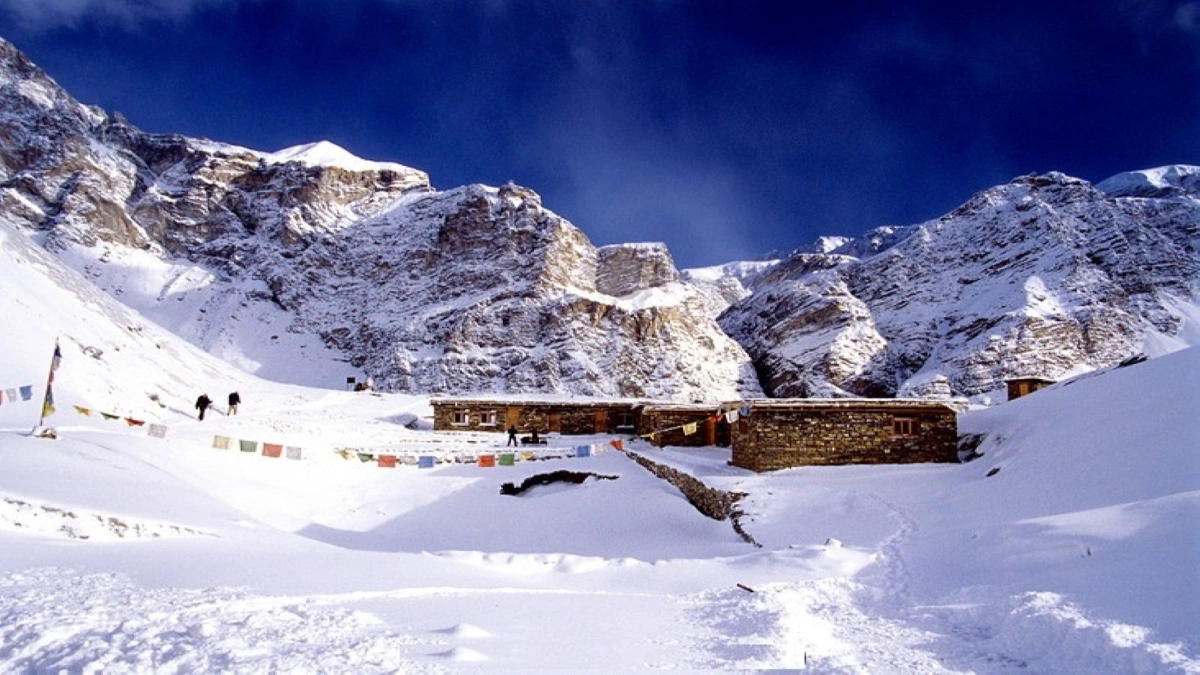
After the crossing, the trail ascends briefly along the right bank of the river and then continues on a narrow path traversing a steep and unstable slope, requiring careful footing. The landscape becomes more barren as you approach Thorong Phedi, the final settlement before the Thorong La Pass crossing. This stop is essential for rest and final acclimatization.

thorung-la-base-camp
10Day

Trek form Thorong Phedi to Muktinath

It’s an early start today for the crossing of Thorong La [5416m]. The trail gets steep immediately on leaving camp, but then the local folks have used this trail for hundreds of years & the path is well defined. The gradient then eases and after around 4 hours of steady climbing, we reach the chorten and prayer flags of the pass. From the snow-covered mountains above, to the head of the Kali Gandaki valley below and the brown and purple hills of Mustang, which spread out before us, we are presented with a the spian landscape, that’s stunning to the eyes.

The descent to Muktinath is a 1600m trek. But the excellent views of Dhaulagiri, more then rewards us for the tiring journey. Eventually, the moraines give way to grassy slopes before a pleasant walk along the Jhong Khola Valley to Muktinath, with its shrines and temple.

muktinath-temple-2
11Day

Drive from Muktinath to Tatopani

After the memorable trek to Muktinath, we drove on a senic drive to Tatopani. The path takes us through the rugged Mustang landscape, with winding roads that offer views of terraced fields, traditional villages, and the Kali Gandaki River below. After few hours, we will reach Marpha for lunch and explore Marpha. As we descend to Tatopani, the surroundings gradually shift to lush subtropical forests. Tatopani is famous for its natural hot springs, where trekkers can relax and rest after days of trekking in the high Himalayas. Upon arrival, you can soak in the thermal pools or explore the charming village before settling in for the night.

12Day

Trek from Tatopani to Ghorepani

From Tatopani, we begin our uphill trek through lush forests of rhododendron, pine, and oak, enjoying the fresh mountain air and the sound of birdsong along the trail. The route passes through charming villages and terraced fields, giving glimpses of traditional rural life in the Annapurna region. As we ascend, the views of the surrounding peaks gradually unfold, offering stunning panoramas of the Annapurna and Dhaulagiri ranges. The trail eventually leads us to Ghorepani, a vibrant village known for its panoramic mountain vistas and as a gateway to Poon Hill. We stay overnight at a comfortable lodge, resting and preparing for the early morning excursion to Poon Hill.

ghorepani-to-tadapani
13Day

Trek from Ghorepani to Hile [1050m] and drive to Pokhara

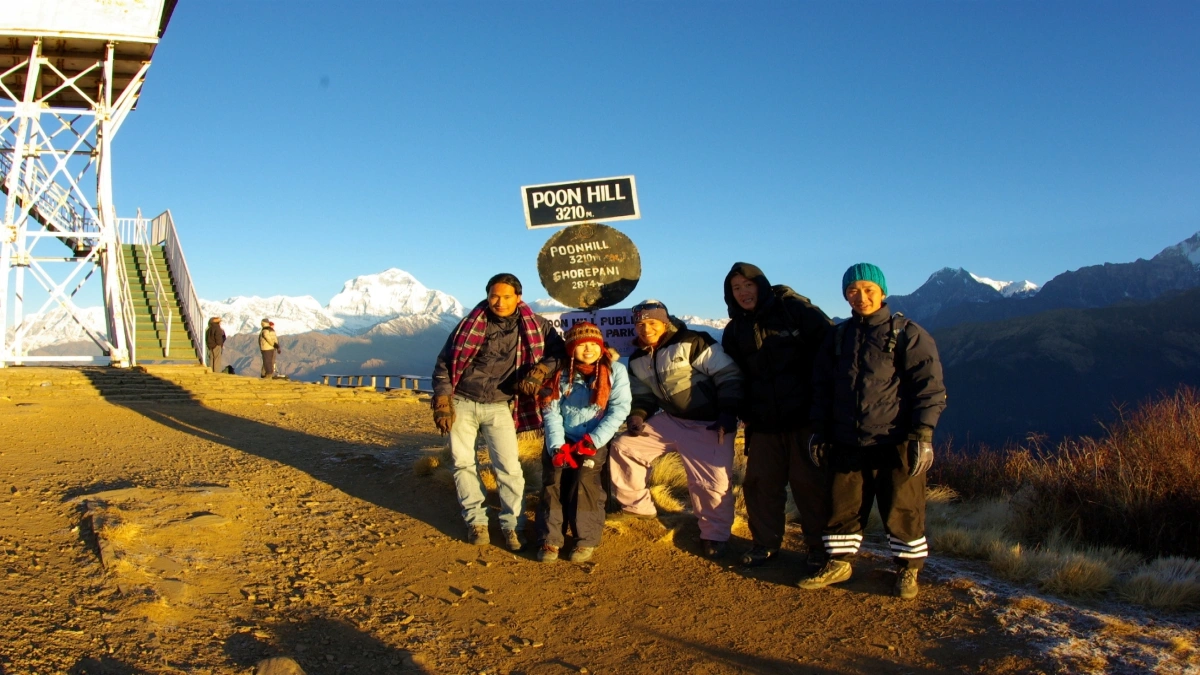
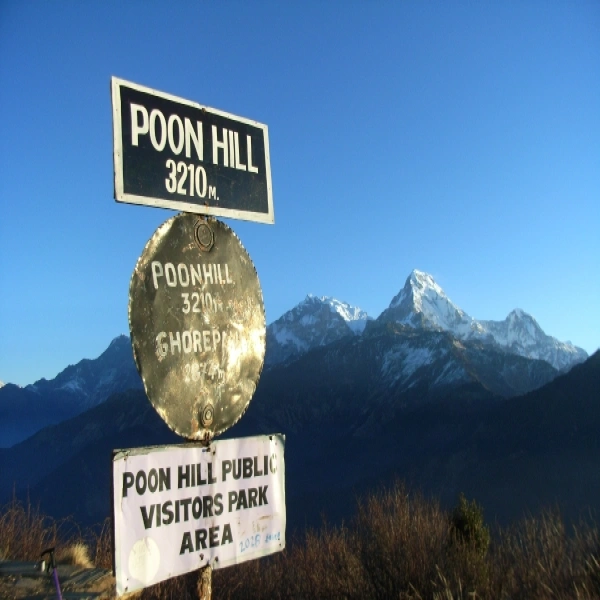
Today we start our day early in the morning with a short climb to Poon Hill (3,210 m). Poon Hill is known as one of the most famous view points in the Annapurna region. It offers a spectacular panorama over the Annapurna and Dhaulagiri ranges, and on the clear day, see all the way south to the plains of India.

After soaking in the beautiful sunrise above the mountains and majestic views, descend along a path that winds through dense, moss-covered forests teeming with birdlife towards Banthanti. From Ulleri, we tackle the steep, seemingly endless stone staircase, a classic highlight of the Annapurna trekking route. After this walk down, the trail gradually descends to Hile you can take a ride from here, our drive back to Pokhara by jeep, concluding the trek while offering time to relax and reflect on the stunning landscapes and unforgettable Himalayan experiences along the way.

poonhill
14Day

Drive from Pokhara to Kathmandu

While driving from Pokhara to Kathmandu, you go up to Damauli, Dumre, Mugling and Kurintar where Nepal’s first Cable car is operated to reach Manakamana (wishes) Temple. In route, you could enjoy the mountain views, green sceneries, rice terrace fields, vegetable fields and see the local folks happily engaged in their daily life activities. From Naubishe, you climb up to Thankot, gateway to the capital city of Kathmandu. You can also fly from Pokhara to Kathmandu which takes about 25 minutes.

15Day

Transfer to the airport for your flight to Home

Our escort team will transfer you to the airport for your onward flight home. For those who wish to extend their stay in Nepal, a variety of optional activities can be arranged, including a jungle safari with a game drive in one of the national parks, adventurous white-water rafting, Tibet overland tours, or mountain biking experiences. Simply let us know your interests and budget, and we will be happy to tailor an extension program to suit your needs.

Still Confuse?
No worries — Our team is ready to guide you every step of the way.

Cost Details

Includes

  • Airport transfer on arrival and departure with an escort
  • Two nights' accommodation in Kathmandu with Breakfast before and after the trek
  • Annapurna Conservation Area Project (ACAP)
  • TIMS (Trekkers’ Information Management Systems) permits.
  • One night's accommodation in Pokhara with breakfast after the trek
  • Breakfast, Lunch & Dinner with a cup of tea or coffee during the trek
  • Seasonal fruits during the trek
  • Guest/Tea House Accommodation during the trek on a twin shared basis (11 Nights)
  • An experienced, knowledgeable, and helpful local Trekking Guide with his Food, drinks, salary, insurance, equipment, transportation, accommodation, and local tax
  • All local Transportation from Kathmandu to Besisahar by bus, Besisahar to Dharapani by sharing jeep, Muktinath to Tatopani by sharing jeep, Hile/Banthanti to Pokhara by Jeep & Tourist bus from Pokhara to Kathmandu.
  • All government taxes & official expenses
  • Sleeping Bag, Down Jacket & Duffel Bag if necessary, which need to be returned after the trip, & these are the use one.
  • Branded T-Shirt and Trekking Map
  • Medical kit box and Oximeter
  • Trip completion certificate
  • Arrangement of emergency helicopter rescue services.
  • A farewell Dinner and Cultural Program with the HLT team.

Excludes

  • Nepal entry visa
  • Meals & Accommodation in Pokhara other than mentioned in the above itinerary
  • Meals (Lunch and Dinner) while you are in Kathmandu
  • Private Land Cruiser (US $250) Kathmandu to Dharapani. (available in addons)
  • Private Car (US $120) Pokhara to Kathmandu. (available in addons)
  • Flight (US $120) Pokhara to Kathmandu. (available in addons)
  • International flight and departure tax
  • Any Sightseeing trip & Monuments entrance fee in the city
  • Monastery & hot spring entrance fee
  • Personal Trekking Equipment and Expenses
  • All alcoholic and non-alcoholic drinks, drink water, chocolate bars, and Bar bills, etc
  • Your travel insurance (Compulsory)
  • Any Expense of a Personal Nature
  • Anything not mentioned in the price includes section.

Add-Ons & Options

The price of the trip depends on the services you choose. We have many optional add-on services that can help customize your experience such as helicopter services, porters, private transportation, additional guides, accommodation and more. You can choose the "add-ons" that fit best with your travel preferences & budget.

We suggest you to hire a porter to carry your bag pack while on the trek, trekking with a light day pack is much easier and you enjoy your trekking holidays to the fullest. A trekking porter carries about 20-25Kg (about 10-12Kg from each of you) and we suggest you to hire a one porter for two trekkers.

If you prefer a more comfortable journey, you can choose a private jeep transfer from Kathmandu to Dharapani instead of traveling by local bus and shared jeep. It offers extra comfort and fewer stops along the way.

If you don’t want to spend an entire day on the road, skip the 8- 9-hour bus ride from Pokhara to Kathmandu, then choose a short scenic flight instead of long driving for just $120. The airfare includes free domestic airport pickup and drop-off.

Don't want to take a long bus ride? No worries, you can travel comfortably from Pokhara to Kathmandu in a private car for an additional cost. Enjoy a relaxed journey at your own pace, with required stops to admire the scenery along the way. This option is extra benefit for a small groups, you can share the car fare amongst the four travelers.

Do you need accommodation for extra nights in Kathmandu and in Pokhara? You can add hotel stays at a (2-3) - star hotel with breakfast included. The cost is $ 50 per night for a single room and $ 55 per night for a double room.

Still Confused? Consult an Expert.

Equipment Lists for Annapurna Circuit Trek - 15 Days

While packing for “Annapurna Circuit Trek,” warm clothing is important to ensure comfort and safety, while non-essential gear such as a knife may simply come in handy. Here we have a suggested packing list to guide you in preparation:

(Note: This is just a guideline to help you on your packing)

Upper Body Layers
+
  • Warm down jacket or insulated jacket
  • Thermal inner layer (especially in winter)
  • Fleece or sweater (layering is recommended)
  • Windproof or waterproof outer shell
  • T-shirts
  • A thick pullover/fleece
  • Rain Coat (Necessary)
  • Windstopper
  • Water & windproof four-season down jacket (can be easily rented in Kathmandu)
Lower Body Layers
+
  • Shorts/Skirt for sunny days
  • Trousers/track suit or long pants
  • Thermal long underwear
  • Thermal leggings (during colder months)
  • Comfortable trekking pants or warm trousers
Footwear & Accessories
+
  • Walking Trekking boots
  • Scandals for rest (shoes should be waterproof)
  • Warm socks (woolen is best)
  • Shoes with good grip (ground can be icy or uneven)
Head & Sun Protection
+
  • Warm woolen hat
  • Sun protection hat (Cap)
  • Flashlight with spare batteries
  • Sunglasses with UV protection (sunlight is strong at high altitude)
  • Lip balm with SPF 
Personal & Medical Kits
+
  • Personal prescription medications (if any)
  • Basic first-aid kit (band-aids, pain reliever, etc)
  • Motion sickness tablets ( if any)
  • Hand sanitizer or wet wipes
  • Tissues or pocket bottle (stay hydrated)
  • Energy snacks (chocolate, dry fruits, energy bars) 
Travel Documents
+
  • Passport or valid ID (required for flight check-in)
  • Cash for personal expenses or optional breakfast
  • Travel insurance copy (digital or printed)
Miscellaneous
+
  • Camera or smartphone for photography
  • Extra camera batteries (cold weather drains faster)
  • Power bank
  • Small backpack

Essential Information

Best Time for the Annapurna Circuit Trek

The best seasons for the Annapurna Circuit Trek are during the autumn (October to November) and spring (March to May). These seasons offer clear mountain views, stable weather, and safe conditions to cross high passes like Thorong La. 

Spring (March to May) - Floral and Green Season

Spring is considered one of the most suitable times to trek the Annapurna Circuit. In the lower trails, especially around Chame and Pisang, the forests are filled with rhododendron and wildflowers blooming. The weather is stable, warm, and comfortable for walking. In the mornings, the clearest mountain views can be seen. As you trek above Manang, you will enjoy stunning Himalayan scenery.

Autumn (September to November) - Peak Season

Autumn is the overall best and peak time for trekking in the Annapurna Circuit. The skies are clear, the trails are dry, and the views of Annapurna, Dhaulagiri, Nilgiri, and the surrounding peaks are stunning. The weather is also very stable, making it one of the best times to cross Thorong La Pass (5,416 m). Since this is peak trekking season, it's a good idea to book your trek in advance. Trails are busy and bustling with 100’s of international trekkers each day.

Winter (December to February) - Not Recommended 

Winter brings quieter trails, snow-covered landscapes, and crystal-clear mountain views. However, temperatures at higher elevations can drop well below freezing, and heavy snowfall may temporarily close Thorong La Pass. If you plan to trek in winter, be prepared for cold conditions and possible itinerary changes. 

Monsoon (June to August) - Least Recommended

The monsoon season brings regular rain to the lower parts of the trail, making some sections muddy and slippery. However, areas around Manang and Mustang lie in the Himalayan rain shadow and receive much less rainfall. If you don't mind occasional rain and prefer quieter trails, the monsoon can still be a rewarding time to experience the Annapurna Circuit Trek.

Required Permits for Annapurna Circuit Trek

To trek the Annapurna Circuit, every trekker must obtain the required permits before starting the trekking journey. These permits help to protect the region and support the conservation of its natural and cultural heritage.

Annapurna Conservation Area Permit (ACAP)

The Annapurna Conservation Area Permit (ACAP) is mandatory for all trekkers entering the Annapurna Conservation Area. This permit helps to fund conservation projects, trail maintenance, and local community development throughout the region.

At Higher Limits Trek & Expedition, all required permits are included in our package price. We arrange the permits before your trekking journey begins. You need to provide a copy of your passport, a valid copy of your Nepal visa, a passport-size photo, and travel insurance details. We will take care of all the paperwork so you can focus on enjoying your adventure.  

Do I need Previous Trekking Experience?

No, previous trekking experience is not required for the Annapurna Circuit Trek, but you should have a good level of fitness and be prepared for several days of walking at high altitude. 

The trail is well-established, and our experienced guide will support you throughout the journey. You will walk for around 5 to 8 hours most days, with the longest day being the crossing of Thorong La Pass (5,416 m), which can take 8 to 10 hours.

If you're active, enjoy hiking, or regularly exercise, you'll find the trek much more enjoyable. We also recommend doing some walking, hiking, or cardio exercises for a few weeks before your trip to build your stamina.

The most important challenge on this trek is altitude, not the trail itself. Our itinerary includes an acclimatization day in Manang to help your body adjust before crossing Thorong La Pass, and your guide will monitor your health throughout the trek.

With the right preparation, a positive attitude, and enough time to acclimatize, many first-time trekkers complete the Annapurna Circuit Trek.

Accommodation on the Annapurna Circuit Trek

During the Annapurna Circuit Trek, the accommodation is in locally operated teahouses. These teahouses are simple and comfortable, providing a warm place to rest after a day of trekking.

Most rooms are on a twin-sharing basis with two single beds, a mattress, a pillow, and a blanket. While the facilities are basic, they are clean and well-suited for trekkers. At lower elevations, some teahouses offer attached bathrooms, but shared bathrooms are more common at higher elevations.

Most teahouses also have a shared dining hall with a wood or gas heater, where trekkers gather to enjoy meals, relax, and share stories from the day's trek. Electricity for charging devices, hot showers, and Wi-Fi are available in many villages, usually for an additional charge.

As you climb higher, accommodation becomes more basic due to the remote location, but you will always have a comfortable place to sleep and enjoy the warm hospitality of the local people.

How High Do You Sleep Each Night During the Annapurna Circuit Trek?

Overnight Sleeping Altitude During the Annapurna Circuit Trek
Village Overnight Altitude
Dharapani 1,960 m / 6,430 ft
Chame 2,640 m / 8,694 ft
Upper Pisang 3,300 m / 10,826 ft
Ngawal 3,660 m / 12,008 ft
Manang 3,540 m / 11,614 ft
Ledar 4,250 m / 13,940 ft
Thorong Phedi 4,450 m / 14,596 ft
Muktinath 3,800 m / 12,467 ft 
Tatopani 1,190 m / 3,904 ft
Ghorepani 2,874 m / 9,429 ft
Pokhara 827 m / 2,713 ft

Meals on the Annapurna Circuit Trek

Meals on the Annapurna Circuit trails are prepared fresh each day at locally operated teahouses. The menu is simple but offers plenty of options to keep you energized throughout the trek. You can try the most popular meal is Dal Bhat, a traditional Nepali dish served with rice, lentil soup, vegetables, and seasonal curry. Besides this, you will also find a variety of other meals like:

  • Fried rice
  • Noodles and Pasta
  • Momos (dumplings)
  • Soups (any type)
  • Potatoes
  • Eggs and Omelets
  • Pancakes and Porridge
  • Toast, Chapati, and Tibetan bread
  • Tea, coffee, and hot chocolate

Vegetarian meals are widely available, and many teahouses can also prepare vegan meals if requested. As you gain altitude, the menu becomes slightly more limited because supplies are carried into the mountains by porters and pack animals.

We recommend eating well, drinking plenty of water, and avoiding alcohol at higher elevations to help your body adjust to the altitude and stay energized throughout the Annapurna Circuit trekking routes.

Annapurna Circuit Trek Distance

The 15 days Annapurna Circuit Trek covers approximately 110 to 125 km of trekking, depending on the trail you follow. The journey begins from Dharapani and passes through beautiful mountain villages, including Chame, Upper Pisang, Ngawal, Manang, Ledar, Thorong Phedi, and Muktinath.

One of the biggest highlights is crossing Thorong La Pass (5,416m), the highest point of the trek. After visiting the sacred Muktinath Temple, you'll continue by road to Tatopani, then trek through forests and traditional villages to Ghorepani before hiking to Poon Hill for its famous sunrise views.

Although the daily walking distance is generally 10–18 km, the trek is more challenging because of the altitude rather than the distance itself. Our itinerary includes an acclimatization day in Manang, helping you adjust before crossing Thorong La Pass safely.

Annapurna Circuit Trek Difficulty

The Annapurna Circuit Trek is considered a moderate to challenging trek. While it doesn't require any technical climbing or mountaineering skills, it does require good physical fitness, proper preparation, and determination. Most trekking days involve 5 to 8 hours of walking, while the day you cross Thorong La Pass (5,416m) can take 8 to 10 hours, making it the most demanding part of the journey.

The biggest challenge isn't the distance—it's the high altitude. As you climb above 3,000 meters, the air becomes thinner, making every step feel more tiring. To help your body adjust, our itinerary includes an acclimatization day in Manang, which greatly reduces the risk of altitude sickness before crossing the Thorung La pass.

If you regularly walk, hike, or exercise, and are comfortable spending several days on the trail, you can complete the trek. Even many first-time trekkers finish the Annapurna Circuit with proper preparation, a steady walking pace, and guidance from an experienced trekking guide.

We recommend starting some basic fitness training 4 to 6 weeks before your trip. Activities like walking, hiking, jogging, cycling, or climbing stairs can help build the stamina you'll need for the trek.

Overall, the Annapurna Circuit Trek is challenging but achievable. With the right preparation, a positive attitude, and enough time to acclimatize, it becomes one of the most rewarding trekking experiences in Nepal.

Our Experience Operating the Annapurna Circuit Trek

At Higher Limits Trek & Expedition, our team regularly operates treks in the Annapurna region and stays updated on trail conditions, road access, teahouse availability, and weather forecasts throughout the trekking seasons.

Our government-licensed guides understand the challenges trekkers commonly face, especially as the altitude increases beyond Manang. We encourage a steady pace, proper acclimatization, and regular hydration while monitoring each trekker’s condition throughout the journey.

Before every departure, we review the latest trail and weather updates to help ensure a safe and enjoyable trekking experience. If conditions require changes for safety reasons, our guides will recommend the most suitable alternative while keeping you informed throughout the trek.

Annapurna Circuit Trek - 15 Days FAQs

This Annapurna Circuit Trek itinerary takes 15 days, including arrival, acclimatization days, crossing Thorong La Pass, visiting Muktinath, returning to Kathmandu, and departure. 

The highest point of the Annapurna Circuit Trek is Thorang La Pass at 5,416 meters, one of the highest trekking passes in Nepal. 

The trek is considered a strenuous, high-altitude adventure (ranging from moderate to challenging). Crossing the Thorong La Pass (5,416m) is the most demanding part of the trek due to the high altitude. 

The trek is suitable for beginners with a good level of fitness. We recommend training for at least 4–6 weeks before the trek to prepare for daily walking.

A good level of fitness and a positive mindset are recommended. During the trek, you should be comfortable walking several hours a day.

You will typically walk 5 to 8 hours a day, depending on the itinerary, trail conditions, and your walking pace.

The Annapurna Circuit Trek covers approximately 120–130 km of trekking, depending on the itinerary and side trips such as Poon Hill.

The required permit for the trek is the Annapurna Conservation Area Permit (ACAP). We will arrange the required permit for the trek. 

A licensed guide is required for the Annapurna Circuit Trek as of 2026. It was implemented to ensure the safety of the trekkers.  

You cannot trek completely solo in the Annapurna region. You need to hire a licensed trekking guide through a trekking agency. 

The best time for the Annapurna Circuit Trek is during spring (March to May) and autumn (September to November). These seasons offer stable weather, clear mountain views, comfortable temperatures, and the best conditions for crossing Thorong La Pass (5,416m).

During the trek, lower elevations are generally mild, but temperatures become much colder as you gain altitude. Near Thorong La Pass (5,416m), temperatures can fall below -10°C at night, so warm clothing is essential.

If you experience any symptoms of altitude sickness, inform your guide immediately. Your guide will monitor your condition and, if necessary, arrange for you to descend or organize emergency evacuation.

Travel insurance is required that covers high-altitude trekking, medical treatment, and emergency evacuation/

You will stay in comfortable local teahouses and lodges, with twin-sharing rooms and basic facilities available throughout the trek.

Most teahouses offer vegetarian meals, and many can also prepare vegan options upon request.

We recommend drinking filtered, boiled, or purified water rather than untreated tap water.

Mobile signal is available in many villages, and Wi-Fi is available at most teahouses, although both may become limited at higher elevations.

Most teahouses provide charging facilities and hot showers for an additional fee.

There are no reliable ATMs along most of the trekking route, so it's best to carry enough cash from Kathmandu. 

You can rent most trekking equipment, including sleeping bags, down jackets, trekking poles, and crampons, from trekking shops in Kathmandu.

Crossing Thorong La Pass (5,416m) is the most challenging part of the trek due to the altitude and long walking day. With proper acclimatization and a steady pace, most trekkers complete it successfully.

The itinerary includes a visit to the sacred Muktinath Temple, one of Nepal's most important pilgrimage sites for both Hindus and Buddhists.

We can customize the itinerary to include extra acclimatization days, side trips, or additional sightseeing in Kathmandu or Pokhara.

 You can safely leave your extra luggage at our office in Kathmandu while you are on the trek.

Mountain Travel Moments

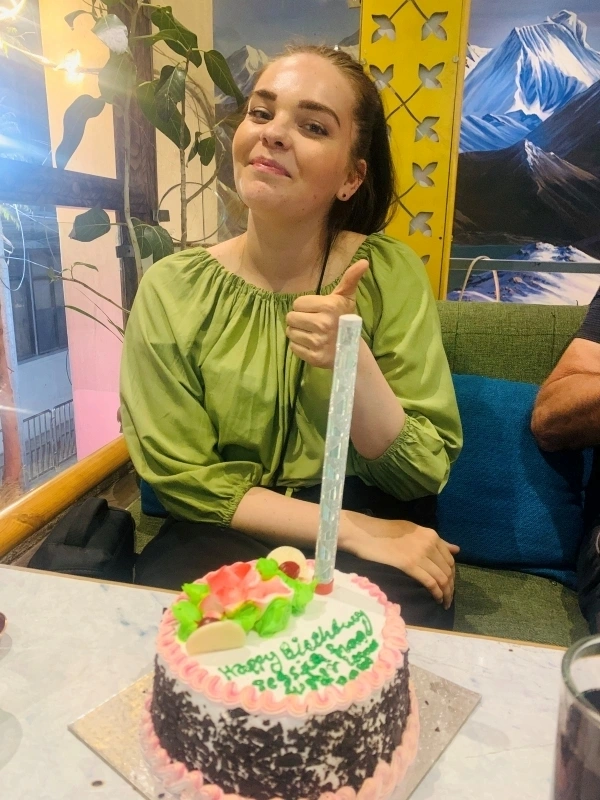
Annapurna Circuit Trek - Celebrating birthday !

Annapurna Circuit Trek - Celebrating birthday !

Jessica Lee's Birthday Celebration

What Our Guests Say?

Annapurna Circuit Trek!

Just finished 16 days trekking The Annapurna Circuit. I also added on 2 days to Lake Tilicho and included Poon Hill.

The itinerary was well organised but flexible enough for me to make changes. I trekked on my own with...

read more +
C barrie
C barrie - Australia
October 12, 2017
Annapurna and Langtang Valley Trekking

I can recommend Higher Limits without fault. Gopal was extremely professional in the way he organised my treks and was able to reorganise my itinerary when I experienced altitude difficulties.

Santa my guide was perfect, delivering just enough information as...

read more +
Gary M
Gary M - Australia
July 21, 2014
Awesome Annapurna Circuit Trek!

I did the Annapurna circuit trek back in Oct 2011. My guide - JB was professional, courteous, caring and knowledgable! He made sure I was having fun the entire time; he took time to explain the Nepal culture and history; he knew...

read more +
S
Squeaky Brakes - Canada
December 02, 2011

Recommended for You

Mardi Himal Trek- 9 Days

Mardi Himal Trek - 9 Days

Duration: 9 Days
Price From
US$690
Popular
Ghorepani Poonhill Trek - 10 Days
(3 Reviews)

Ghorepani Poonhill Trek - 10 Days

Duration: 10 Days
Price From
US$995
Popular
Annapurna Base Camp Trek
(7 Reviews)

Annapurna Base Camp Trek - 11 Days

Duration: 11 Days
Price From
US$1000
Need Help? Call Us+977 9851163811