It doesn't matter whether you are an experienced adventurer looking for Everest or a beginner aiming for short and easy treks; knowing about the seasons, regional differences, and weather will definitely help you to plan your trip smoothly. This guide will cover the best months for trekking, seasonal highlights, practical tips, and answers to the questions we hear most often.
Best Trekking Seasons in Nepal
The two peak trekking seasons in Nepal are spring (March- May) and autumn (September- November). And the other two seasons, winter (December-February) offers solitude for shorter treks, and monsoon (June-August) provides vibrant landscapes but also brings rain.
Spring (March-May)
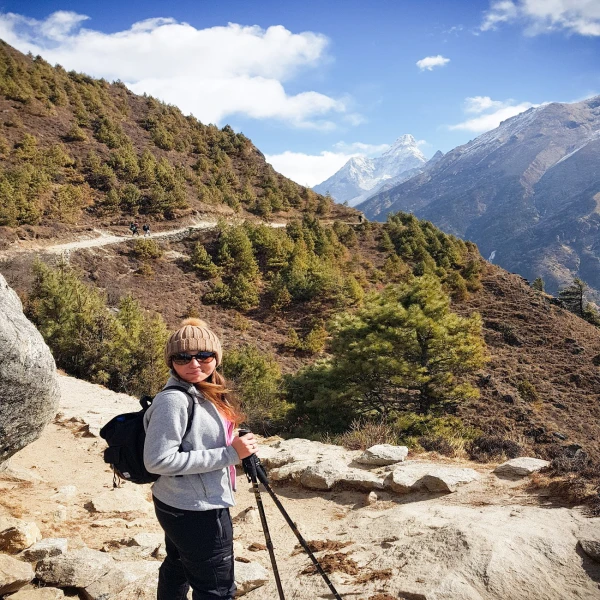
One of the most popular seasons to trek in Nepal is spring, between March and May. Usually, during these months, you can find the weather clear and stable, with comfortable, moderate temperatures during the day and cool in the evenings. During these months, trekking is more enjoyable, and the risk of high-altitude-related challenges is lower.
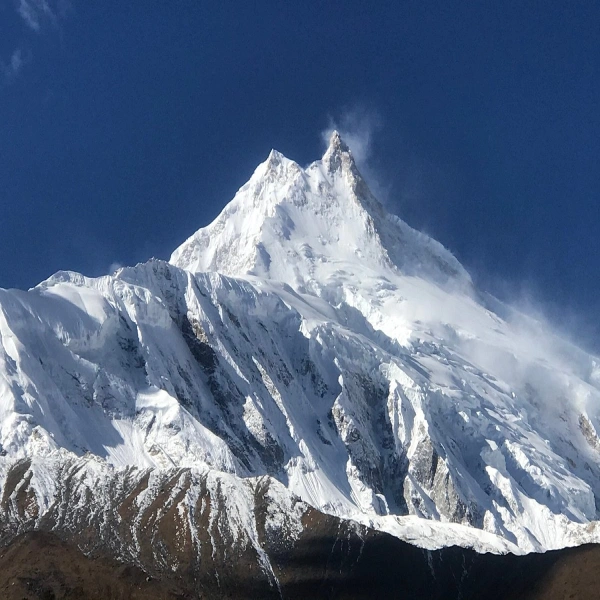
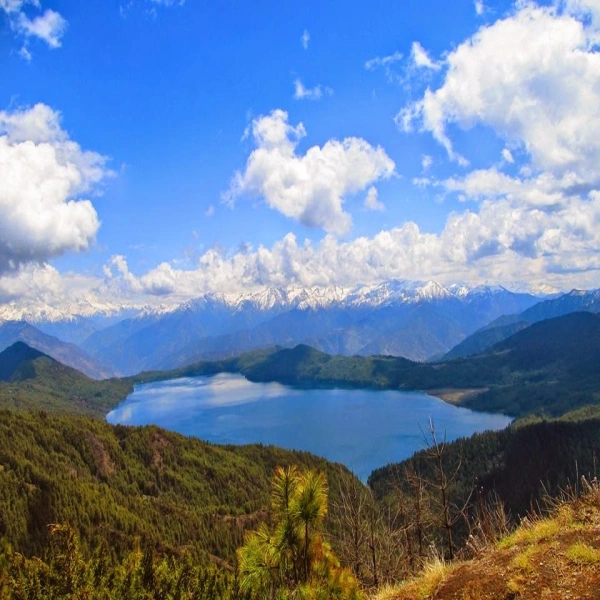
During spring treks, the beauty of nature is overwhelming. The paths are lined with colorful flowers, blooming forests of rhododendrons, and lush green landscapes. The trekkers can experience the combination of snow-capped and greenery Himalayan peaks, making every step of the trail unforgettable and magical.
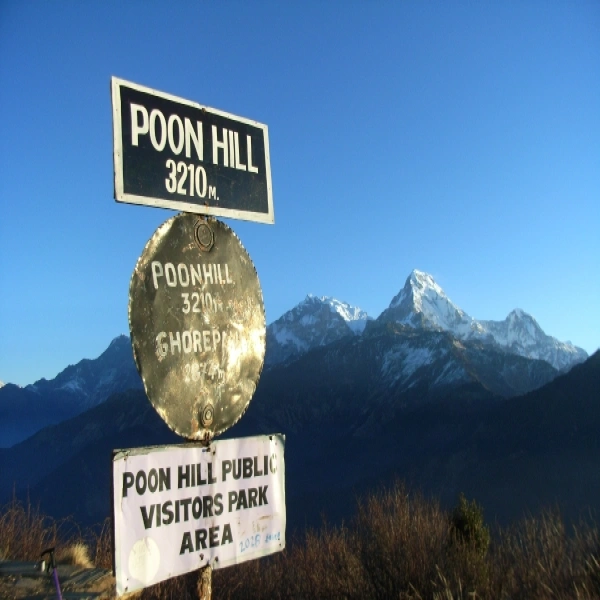
Spring is also preferred for big trek routes like Everest Base Camp, Annapurna Circuit Trek, Manaslu Circuit, and other shorter treks such as Ghorepani Poon Hill or Ghorepani Poon Hill Short Trek. Since this is a peak season for trekking, trails are lively, and lodges are busier than usual. Hence, it will be better to book flights, lodges, and permits beforehand. Generally, spring gives a perfect balance of good weather, vibrant landscapes, and clear mountain views, hence the best time to explore the Himalayas. If you like to trek on a quieter route than the Manaslu Region and the Langtang Region, where you will see fewer trekkers than in the Everest or Annapurna Region.
Autumn (September-November)
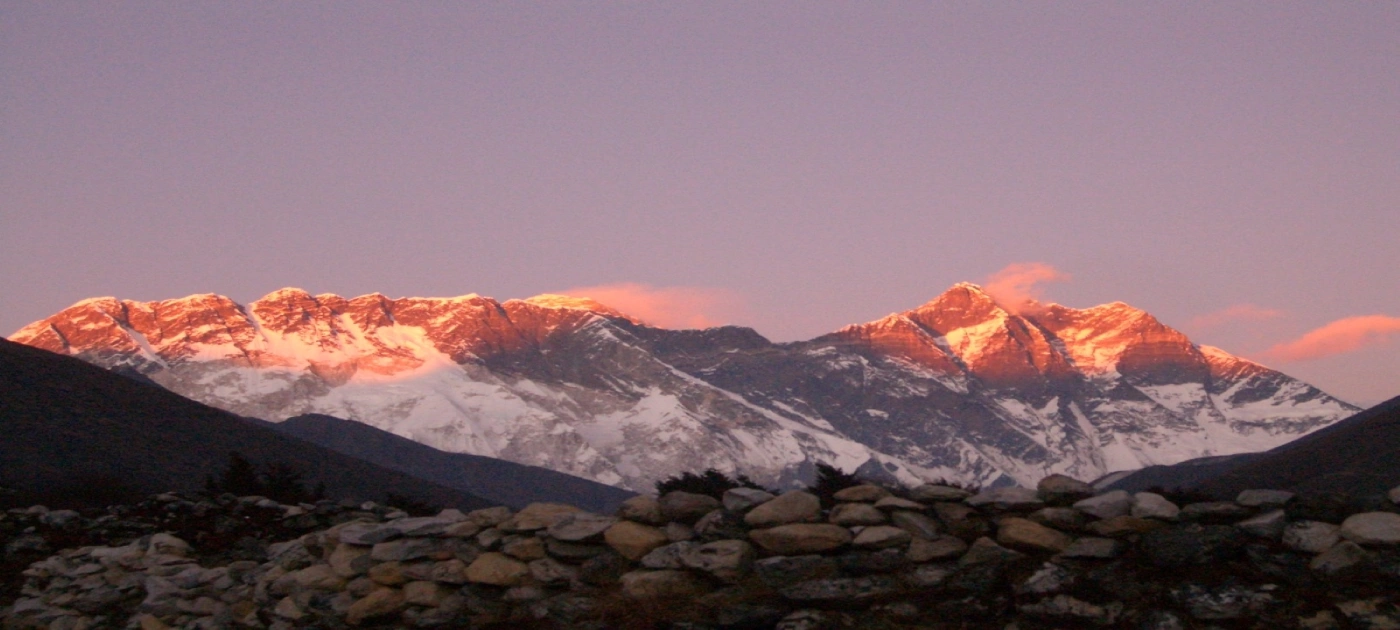
Autumn, from September to November, is considered the best time and recommended trekking season in Nepal. Usually, the weather during this season is dry, sunny, and stable, with quite low chances for rainfall and offering good conditions for a high-altitude trek. The stunning Himalayan peaks are clearly visible, which offer trekkers the best panoramic views. The local of Nepal also treks during this season.
This is the most excellent time to go on trekking routes like:
Everest Base Camp
Annapurna Circuit Trek
Manaslu Circuit
Langtang Valley Trek
Tsum Valley Trek
Since autumn is a peak trekking season, a lot of trekkers come along, so planning is vital. It’s highly recommended to book flights to Lukla or Jomsom and book accommodations in teahouses ahead of time. With a mix of favorable, stable weather, breathtaking mountain scenery, and ideal trekking conditions, autumn offers an unforgettable adventure in the Himalayas and is best suited for Everest and Annapurna treks. If you are considering a Luxury Everest Base Camp Trek or a Comfort Manaslu Circuit, reserve as early as possible - the better lodges have limited rooms.
Winter (December-February)
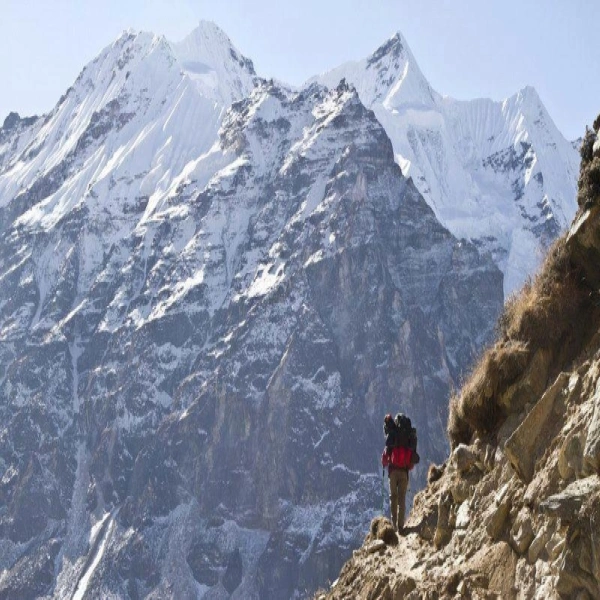
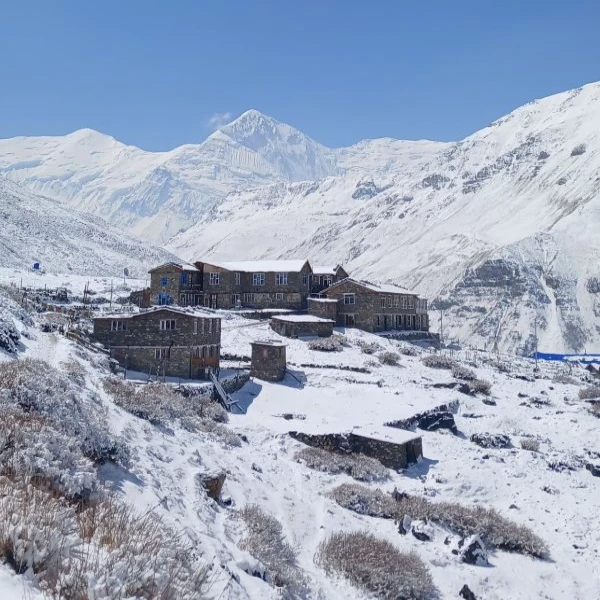
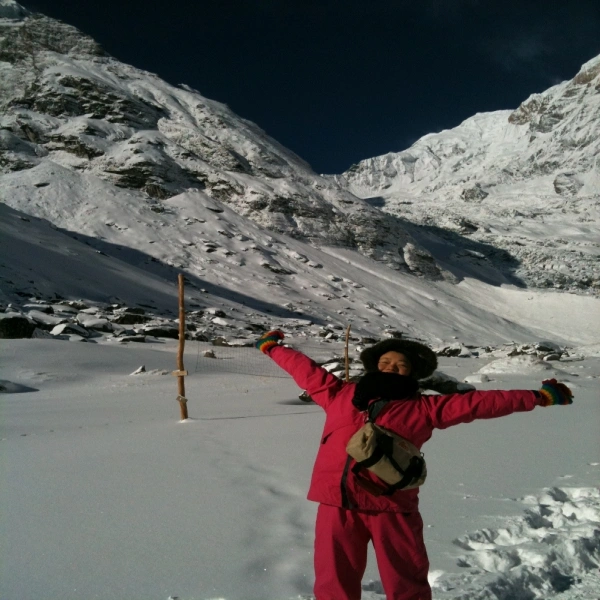
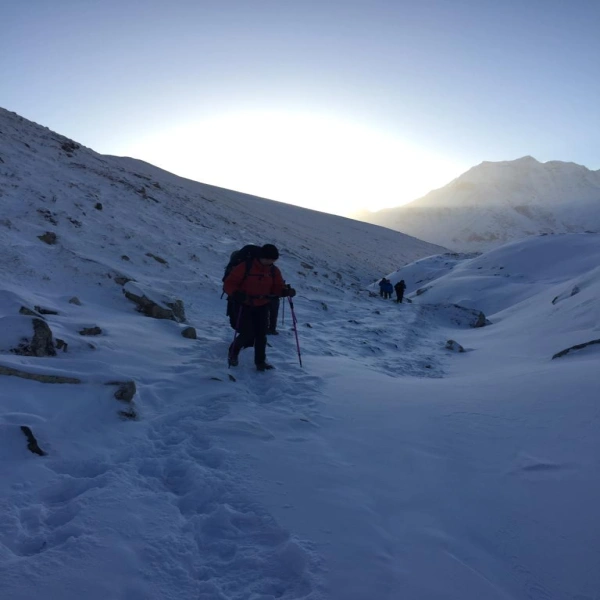
Winter in Nepal falls in December, January, and February. During winter, the temperature in Nepal is cold, and the paths leading to the trekking routes are also covered with snow. Though cold, winter brings a solitary season for trekkers with fewer people and mountains turning snow-white; thus, a tranquil, nearly magical landscape is observed. The crisp winter air makes the views exceptionally clear and perfect for photography and quiet reflection.
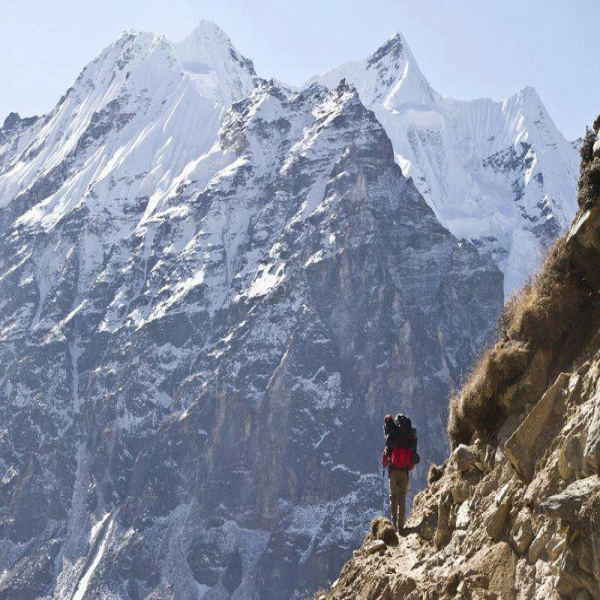
The Everest region is best for winter trekking for experienced trekkers, while the Annapurna region can also be visited at lower altitude areas. Langtang and Helambu are other trekking options. The trekkers should be prepared with heavy winter gear that includes down jackets, thermal layering, insulated boots, gloves, and hats to keep them warm throughout the journey. High mountain passes may be closed because of snow. Therefore, one must make a query about the condition of the trail in advance. Although winter is quite challenging, it is a rewarding season for those well-prepared, offering tranquil and less crowded trekking with breathtaking, snow-draped landscapes.
Monsoon (June-August)
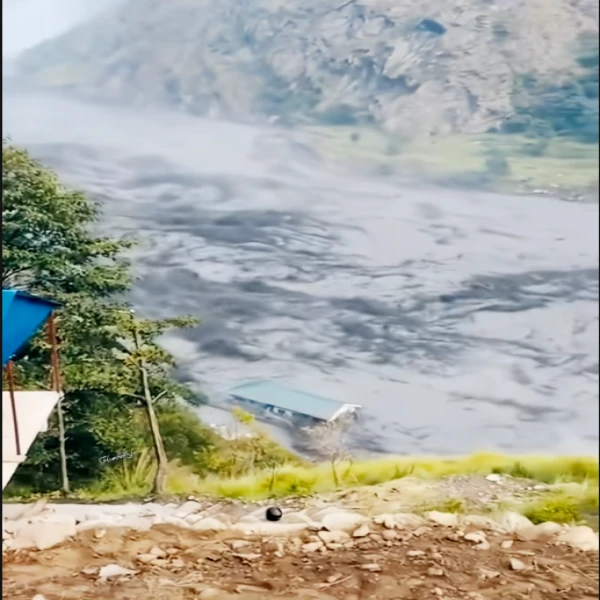
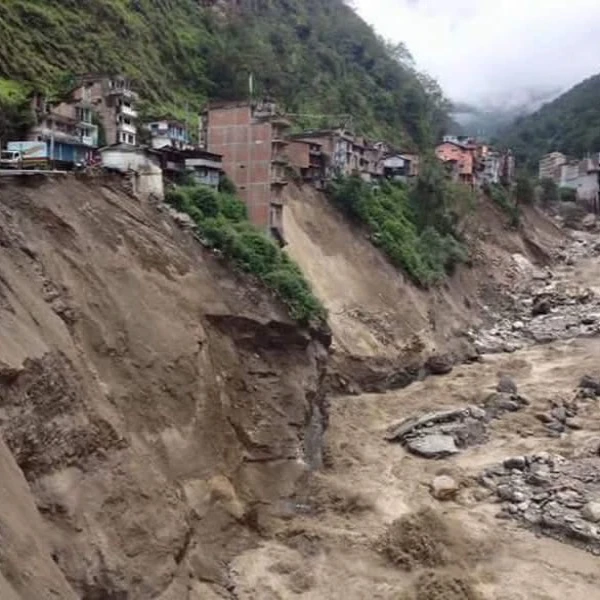
The monsoon period, usually from June to August, carries heavy rainfall and makes the high-altitude trails of Nepal slippery, with a heightened risk of landslides in some areas. Though this season is not the best time for high-altitude trekking, it does provide a different kind of experience for those people who want to see lush green landscapes, dramatic waterfalls, and a quieter and less crowded environment for trekking. The rain changes the forests and valleys into vibrant, flourishing scenery, providing a very different perspective of the Himalayas.
Monsoon trekking is best suited for low-altitude routes in the lower Himalayas, like Ghorepani Poon Hill, Helambu, Mardi Himal Trek - 9 Days, and the Tamang Heritage Trail. Trekkers should not go for high-altitude treks like Everest Base Camp, Annapurna High Passes, or Manaslu during this season because it's risky. One needs waterproof clothing, strong boots, and trekking poles for stability on wet and muddy trails. Though monsoon trekking can be quite demanding, it pays off with quiet trails, vibrant greenery, and thrilling natural scenery.
FAQs About Trekking in Nepal 2026
Is travelling in Nepal safe in 2026/27?
Yes, travelling to Nepal is safe in 2026, even after the protests among Generation Z. The effects from 2025 have faded, and life goes back on track. Also, places with heavy tourist and trekking traffic, including Kathmandu, Pokhara, Mount Everest, and Mount Annapurna, are running normally and are perfectly safe.
When is the best time for the Everest Base Camp trek?
Spring (March-May) and Autumn (September-November) are best.
Is trekking in winter possible?
Yes, but only for experienced trekkers with proper winter gear.
How should I prepare physically?
Doing regular cardio, stair climbing, and multi-day hiking is recommended for all high-altitude treks.
Conclusion
The best times for trekking in Nepal in 2026/27 are spring and autumn; these have clear skies, stable weather, and unforgettable Himalayan views. Winter may be rewarding for those experienced trekkers, while the monsoon season is best for low-altitude hikes and lush landscapes.
Careful planning, checking of the weather, and packing the right gear can ensure that trekkers have safe and breathtaking adventures in Everest, Annapurna, and Manaslu. The earlier you start preparing, the more unforgettable your 2026/27 trek in Nepal will be!
Related Treks to Explore
Classic Himalayan routes
Everest Base Camp Trek - 16 Days
Annapurna Base Camp Trek - 11 Days
Annapurna Circuit Trek - 16 Days
Manaslu Circuit Trek - 14 Days
Shorter Treks (under 10 days)
Ghorepani Poon Hill Trek - 10 Days
Mardi Himal Trek - 9 Days
Everest View Trek - 8 Days
Ama Yangri Peak Trek - 5 Days
Premium and comfort options
Everest Base Camp Luxury - 12 Days
Comfort Manaslu Circuit Trek - 17 Days
Off-the-beaten-path adventures
Upper Mustang Trek - 18 Days
Tsum Valley Trek - 15 Days
Rara Lake Trek - 16 Days
Kanchenjunga Adventure Trek - 28 Days