

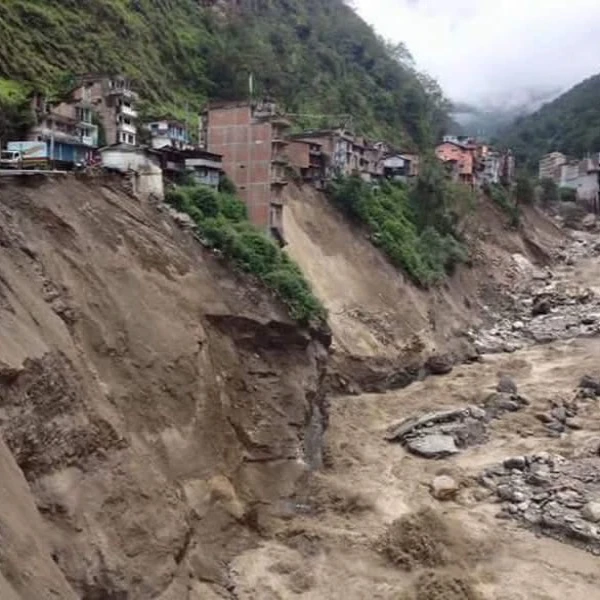
A flash flood hit the settlements located along the Budhi Gandaki River in Gorkha district, Nepal, on the morning of October 11, 2026. The rapid rise in the river caused mud and stones to be carried downstream, damaging people’s homes, bridges, trekking trails, and other infrastructure.There were areas in Chumnubri and Dharche rural municipalities affected by floods. These areas are significant for local communities as well as trekkers visiting the Manaslu area and Tsum Valley.
Gorkha Floods: Latest Updates and Manaslu Trekking Information

The disaster has affected the daily lives of many people and raised concern over remote trekking routes. Rescue efforts and assessment of damage have started as authorities work to reach affected communities..
According to reports published on October 12, five people were still missing. The full extent of the damage and the condition of some remote routes remained under assessment.
For the latest information, check the reporting from The Kathmandu Post and the official update from the United Nations in Nepal and the Nepal Disaster Risk Reduction and Management Authority.
What Caused the Budhi Gandaki Flood?
The first evaluation indicates that a landslide that occurred a short while ago somewhere close to Chumchet may have blocked a stream to the Budhi Gandaki River. This could have resulted in the formation of a natural dam. It is possible that once the blockage was lifted, a massive surge of logs and water quickly raged downstream, resulting in destruction of property.
It was reported by the International Centre for Integrated Mountain Development (ICIMOD) as a reason based on the details available from authorities in Nepal. Accordingly, the cause should only be seen as a preliminary finding and not a conclusion.
Moreover, this event points out the dangers that communities have in mountainous regions whereby landslides or changes in river flow might affect the villages and settlements far downstream.
Read the preliminary assessment from ICIMOD.
Damage Reported After the Gorkha Flood
The Gorkha flood caused serious damage to homes, transport routes, and other infrastructure along the Budhi Gandaki River. Reports available on October 12 included the following:
- Homes: Reports indicated that dozens of houses had been swept away or damaged.
- Bridges: Permanent and suspension bridges were affected, making travel between some settlements difficult.
- Roads and trekking trails: Several routes were damaged, disrupting access to remote villages.
- Hydropower infrastructure: Damage was reported at hydropower facilities in the affected area.
- Local communities: The flood disrupted daily activities and affected the livelihoods of residents.
The United Nations in Nepal confirmed damage to bridges, hydropower facilities, roads, and other essential infrastructure. It also reported that access had been disrupted and hundreds of households had been affected.
Rescue teams were deployed to help people reach safer locations. According to the Nepal Disaster Risk Reduction and Management Authority, the Nepali Army rescued 95 people, including nine foreign nationals.
These figures reflect preliminary reports published around October 11–12, 2026. The final damage assessment may differ as authorities collect more information from affected areas.
How Has the Gorkha Flood Affected Manaslu and Tsum Valley Trekking?
The flood has caused worry regarding trekkers’ accessibility to the Manaslu region, especially surrounding the Budhi Gandaki river passage. Routes that are used by trekkers heading to Tsum Valley and Manaslu circuit. If the bridges/trails/local access are damaged, reaching back to the villages can be dangerous.
The news released on October 12 states that roads around Jagat and other settlements are reported to be damaged but not many areas are difficult to reach. Trekkers were also impacted by the disruption. However, conditions differ by location. The fact that the road in one area is damaged does not mean that other roads in the Manaslu region are damaged as well.
Before you set off for your trek to Manaslu Circuit or Tsum Valley trek, do check the latest news from the local authorities. You need to confirm if the routes you wish to take are open, if there is any risk of passing any bridges and trails and will you need to modify your itinerary.
Is It Safe to Travel to Manaslu After the Flood?
The safety of travelling to Manaslu depends on the condition of the specific route, the latest weather, and guidance from local authorities. Trails in mountains might change a lot after a flood. Even after the rains are over, dangerous tracks, weak slopes, and unstable bridges may still continue to be threats. Before starting your journey, consider these precautions:
- Check current conditions: Contact your trekking agency and local authorities for recent information about your planned route.
- Speak with local guides: Guides familiar with the region may help you understand local conditions and available alternatives.
- Avoid damaged crossings: Never attempt to cross a damaged bridge or a fast-flowing river.
- Stay flexible: Be prepared to delay your trek or change your itinerary if conditions are unsafe.
- Follow official advice: Respect evacuation notices, route closures, and instructions from rescue teams.
Due to the ongoing situation after the Gorkha flood in October 2026, we cannot assure that all trekking routes are safe or open at this time, especially Tsum Valley, because the Cantilever Bridge that connects to Tsum Valley has been swept away.
What Should Trekkers Do If They Have an Upcoming Trip?
In case you have confirmed a trek itinerary in Manaslu Circuit or Tsum Valley, it is better to reach out to the trekking agency before your travel to the place. It is important to clarify certain details of the trek such as road conditions, accommodation availability, conditions of trails and bridges, and the changes in the itinerary if there are any.
If you’re getting ready for your trip, don’t decide based on social media posts or old travel information. Conditions can change quickly and you will need information from locals as well..
In case you are trekking in the affected area already, follow the directives of your guide as well as local authorities. Do not move further onto the damaged trail. Trekkers are advised to wait for updates before continuing travel plans.
How Can Travelers Support Flood-Affected Communities in Gorkha?
The local residents of Budhi Gandaki River earn their livelihood through the local houses, enterprises, farming, tourism, and transportation routes. Damage to these resources may severely hit the communities even after the flood is over. Travelers wishing to help can choose to support the existing relief operations and organizations working with influenced communities.
It is essential to verify whether donations go to dependable organizations and that any help is provided according to the needs of the community. While recovery continues, responsible travel can help ensure the well-being of local communities once the roads and services are again safe to use.
Respect for residents, their privacy, and the instructions of local authorities should always come first.
What Does the Gorkha Flood Mean for Future Mountain Travel?
For trekkers, the lesson is simple: preparation does not end when a trip is booked. Checking conditions, listening to local advice, and remaining flexible are essential parts of responsible trekking.
The immediate priority following the Gorkha flood remains the safety of affected people, rescue operations, and the assessment of damage. Information about trekking access should be updated as reliable reports become available.
We extend our concern to the families and communities affected by the flood. We encourage everyone planning to visit the Manaslu region to seek reliable local information and make safety their first priority.
Need Help? Call Us+977 9851163811orChat with us on WhatsApp
Need Help? Call Us+977 9851163811