What is Altitude Sickness?
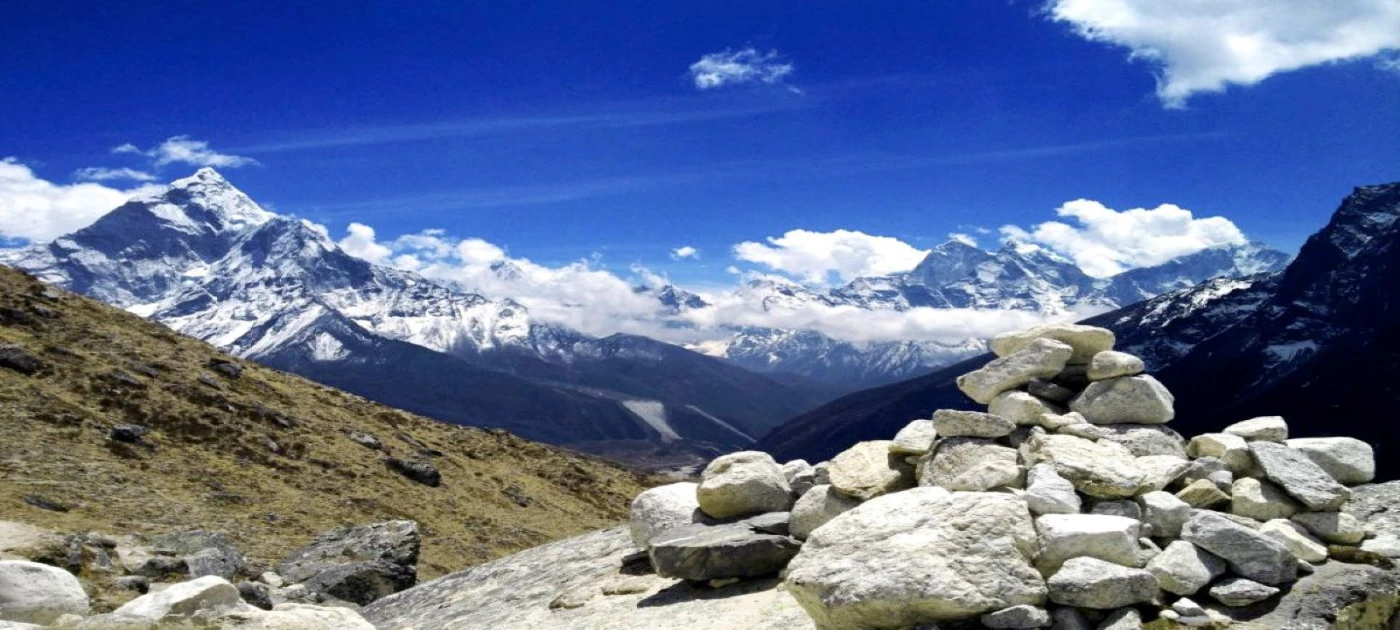
Altitude sickness, also known as Acute Mountain Sickness (AMS), happens when you travel to high elevations. When your body does not have enough time to adjust to lower oxygen levels at high elevations, altitude sickness occurs. On the Everest Base Camp trek route, you climb from around 2,800m in Lukla up to 5,364m at Everest Base Camp, and there are chances of altitude sickness among the trekkers. That’s why it is essential to know about the common symptoms and prevention methods of altitude sickness.
Common Symptoms of Altitude Sickness during the Everest Trekking
Symptoms of high altitude typically appear 6 -24 hours after gaining altitude and often start mild but can worsen quickly if ignored, especially as you climb higher toward Everest Base Camp.
On the Everest Base Camp route, mild altitude symptoms often show up:
- Around Namche Bazaar (3,440m) after your first big climb from Lukla
- At Tengboche (3,860m) or Dingboche (4,410m)
- During or after the trek from Lobuche (4,940m) to Gorak Shep (5,164m) and Everest Base Camp (5,364m)
Mild Symptoms on the Everest Base Camp Trek
- Nausea or vomiting
- Shortness of breath with normal walking
- Dizziness or fatigue
- Constant headache
- Trouble sleeping at night
If you notice any of these signs during the Everest base camp trekking route, especially above Namche or higher, you should inform your trekking guide or should:
- Stop climbing higher that day
- Rest at the same altitude or, if possible, slightly lower
- Drink enough water
- Eat soup
If the condition doesn’t get better within 24 hours, a gradual descent to a lower village is highly recommended.
Warning symptoms on the Everest Base Camp trek
Above the 4,000m (Dingboche, Lobuche, Gorak Shep, and Everest Base Camp), there are more chances of high-altitude sickness, and in rare cases
- Severe Headache
- Repeated Vomiting
- Extreme shortness of breath even at rest
- Difficulty walking
- Ataxia (Loss of Balance)
- Severe Fatigue and extreme exhaustion
- Confusion or Altered Mental State
- Cyanosis (Starved of oxygen)
These can signal HAPE (High Altitude Pulmonary Edema) or HACE (High Altitude Cerebral Edema), both of which are life-threatening. If you or your fellow trekkers show any of these signs anywhere on the Everest Base Camp Trail, then immediately inform your guide, descend to a lower altitude, and urgent medical help (often via helicopter evacuation from Gorak Shep, Lobuche) is required.
How to Prevent Altitude Sickness on the EBC Trek
The Everest Base Camp Trek is one of the world’s most iconic treks, but due to its high altitude reaching 5,364 meters (17,598 feet), Everest Base Camp makes it difficult for trekkers, and there is a high chance of altitude sickness. But with proper preparation, you can reduce the risk and enjoy the trekking.
Follow a Proper Acclimatization Schedule
You can easily prevent high-altitude sickness by taking your time. The Everest Base Camp Itinerary typically takes 12-16 days, and this is not excessive; it is necessary. The acclimatization days help your body to adapt to the high-altitude villages. Trekkers seeking a comfortable, shorter option can consider the Everest Base Camp Luxury Trek, which offers only a 12-day itinerary and strategic rest days in premium lodges.
A safe acclimatization schedule should include:
- Days 1-2: Lukla to Namche Bazaar (3,440m) – gain 860m
- Days 3-4: Rest Day in Namche – crucial for acclimatization
- Days 5-6: Namche to Tengboche (3,860m) – gradual ascent
- Days 7-8: Another rest day or lighter trek
- Days 9+: Continue to Base Camp with rest days built in
Start Training Before Your EBC Trek
Physical fitness really improves your ability to handle altitude sickness. Begin training before your trek.
Recommended preparation:
- Cardio training: Running, cycling, or brisk walking to strengthen stamina.
- Leg & core strength: quats, lunges, planks, and stair climbing to handle long days on rugged trails
- Endurance practice: Gradually increase distance and elevation in hikes
- Flexibility & balance: Yoga or stretching to prevent injuries and keep energy flowing
With preparation and care, each step becomes part of the story – the story of you standing in the shadows of the world’s tallest peaks, feeling alive, inspired, and unstoppable.
Stay Hydrated
Staying hydrated helps to prevent altitude sickness; you need to aim to drink 3-4 liters of water daily during the trekking.
- Drink consistently throughout the day, not all at once
- Avoid excessive caffeine and alcohol, which increase dehydration
- Monitor your urine color (Pale yellow is ideal)
- Sip water regularly instead of waiting until you feel thirsty
Eat Well and High-Energy Food
You need to eat even when you are not hungry, skipping food makes fatigue and headache worse in high altitudes.
- Eat carbohydrate-rich meals like dhal bhat, rice, noodles, soup, and porridge, which give steady energy and are easier to digest.
- Include protein for energy and muscle recovery
- Eat frequent, smaller meals rather than large ones
- Avoid heavy foods that are hard to digest
- Snack regularly on nuts, energy bars, and dried fruits
Avoid Alcohol and Smoking
Avoid alcohol and smoking during the trekking because it reduces oxygen uptake and increases dehydration, raising your risk of altitude sickness.
Consider Medication (If advised by a doctor)
Discuss with your doctor about Diamox (acetazolamide), which helps to prevent altitude sickness by speeding acclimatization. Some trekkers take it starting 2-3 days before reaching high elevation. There are mild side effects of taking Diamox, like tingling in fingers and lips, and altered taste. Remember to always consult your doctor before taking any medication.
Listen to Your Body and Guide
- During the trek, if you feel a headache, nausea, dizziness, or shortness of breath, tell your guide immediately and consider stopping or descending.
- Your guide will monitor your condition, adjust your pace, and organize a safe descent or evacuation if needed.
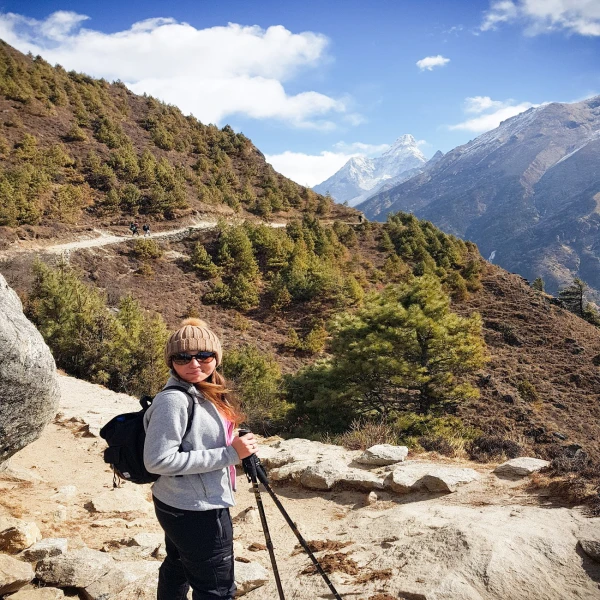
The Everest Base Camp Trek is calling you, and altitude sickness doesn’t have to stop you from answering. Yes, your body will struggle at altitudes above 5,000 meters. You might feel dizzy, exhausted, nauseous, and tired. But beneath that struggle lies something profound: the courage to push beyond your limits, to breathe thinner air, and to stand in the presence of the world's greatest mountain.
Thousands have felt their hearts pounding, their lungs burning, their spirits soaring—and they made it. With proper preparation, you can too. Listen to your body. Trust your guide. And when you finally reach Base Camp, looking up at Mount Everest piercing the sky, you'll realize that every breathless moment was worth it.
The mountains are waiting. Don't let fear hold you back—let it fuel you forward.
Ready to Plan Your Everest Adventure?
Altitude Sickness is manageable with the proper preparation and support. Whether you want to trek the classic 16-day Everest Base Camp Trek or prefer the added comfort of the 12-day Everest Base Camp Luxury Trek, experienced guides will help you acclimatize safely and reach Base Camp.
Frequently Asked Questions About Altitude Sickness in EBC
Will I get altitude sickness during the Everest trek?
Yes, you might experience altitude sickness during the Everest trek, as it affects 30-75 % of hikers, typically starting above 2,500m. But you can prevent it through a slow ascent, proper acclimatization, and hydration.
How high is Everest Base Camp?
The altitude of Everest Base Camp is 5,364 meters (17,598 ft) above sea level.
Is Diamox (Acetazolamide) necessary for the Everest Base Camp Trek?
Diamox is not mandatory, but we strongly recommend keeping it in your personal medical kit as a precaution. It helps prevent and reduce altitude sickness symptoms during the Everest Base Camp Trek. Please consult your doctor before the trek for proper dosage and medical advice based on your health condition.