
Tour Highlights
- Explore UNESCO World Heriagte Sites
- Stunning Valley views from Swayambhunath
- Spiritual experience at Boudhanath Stupa
- Perfect before and after trekking in Nepal
- Ideal for limited time travellers
The valley showcases sacred temples, ancient stupas, centuries-old palaces, and vibrant local traditions and many more.This full day tour is perfect for travelers with limited time and want to explore the highlights of Kathmandu in a single day. Also, an ideal option for those travelers who have just completed their trekking adventure in the Himalayas and wish to immerse themselves in the cultural beauty of the valley before departures.
Whether you are visiting Nepal for the first time or returning after an unforgettable trek, this full-day city tour offers a meaningful and memorable way to experience the essence of Kathmandu.
Places to Explore during the Kathmandu Valley Full Day Tour - 1 Day
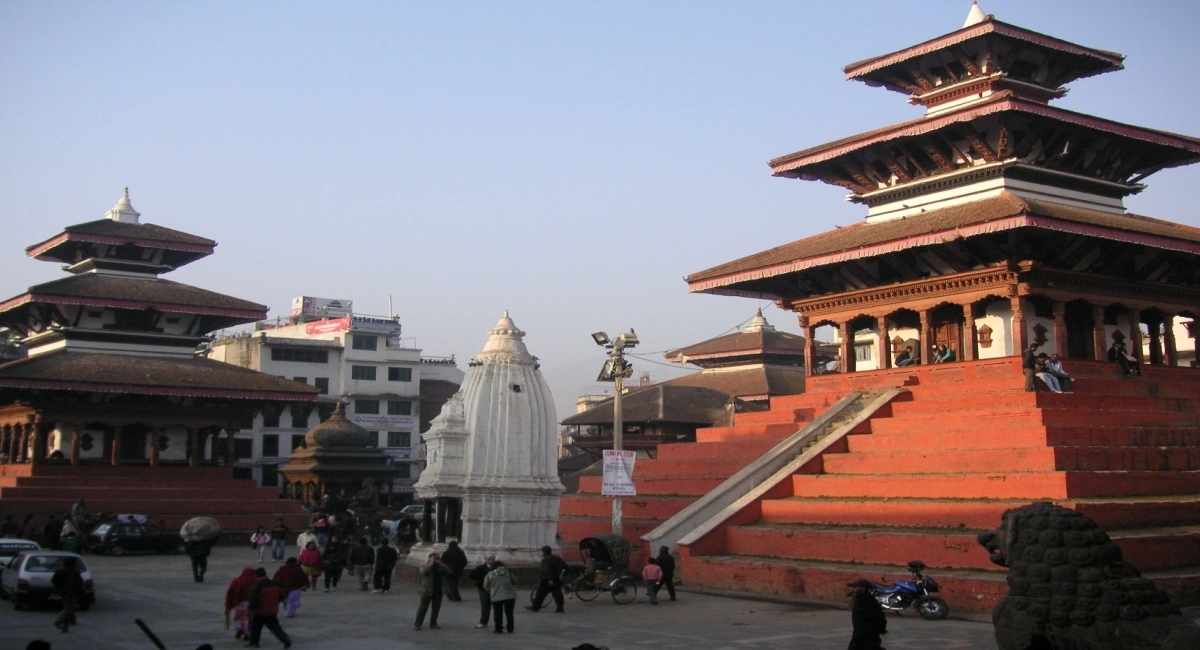
Kathmandu Durbar Square
It is a UNESCO World Heritage Site situated in the heart of the Kathmandu city and known for its ancient architecture. It was the historic seat of royalty and palace including Hanuman Dhoka Palace, the Kumari Temple (House of the Living Goddess), and the Kasthamandap (House of Wood), built originally in 7th century. This palace complex is locally known as the Basantapur Durbar or Hanuman Dhoka (Nautale Durbar) and the street is called Basantapur after it. The palace was built in 1768 A.D after King Prithivi Narayan Shah captured the Kathmandu Valley. The palace features beautiful courtyards, intricately carved windows, and traditional pagoda-style temples, and coronation ceremonies are still held in the Nyasal Chowk courtyard. Some of the important monuments to explore are Kumari Temple, Kasthamandap, Jaishi Dewal, Taleju Temple and so on.
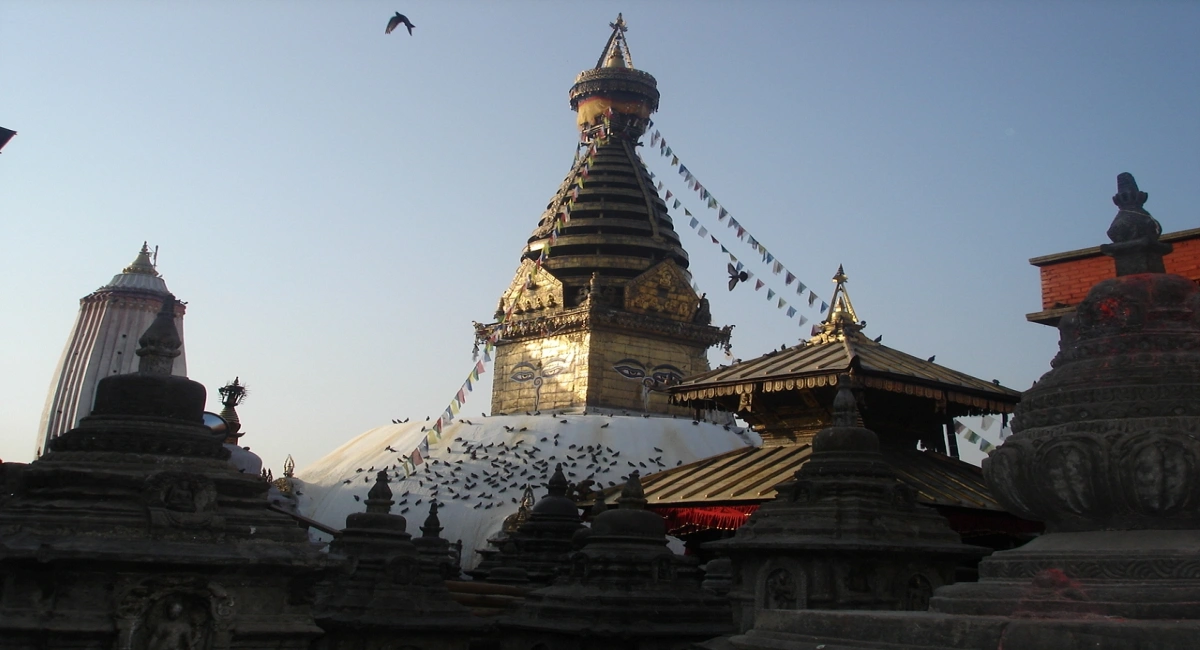
Swayambhunath (Monkey Temple)
The Swayambhu Stupa crowns a hillock is three kilometers to the west of Kathmandu. A huge white dome surrounded by 13 spires, the stupa is one of the most sacred Buddhist sites in Nepal and the world’s most enchanting, magnificent site. It is duly recognized by UNNESCO as a world heritage site. It is said to be 2000 years old and legends has said its origins are linked to the founding of the Kathmandu valley by draining the water of the lake by Bodhisattva Manjushree. Swoyambhu manifested in the lake as a brilliant light emanating from a lotus and Manjushree let the water out by slashing a passage through the surrounding hills to facilitate paying homage to Swoyambhu, thus making the valley inhabitable.
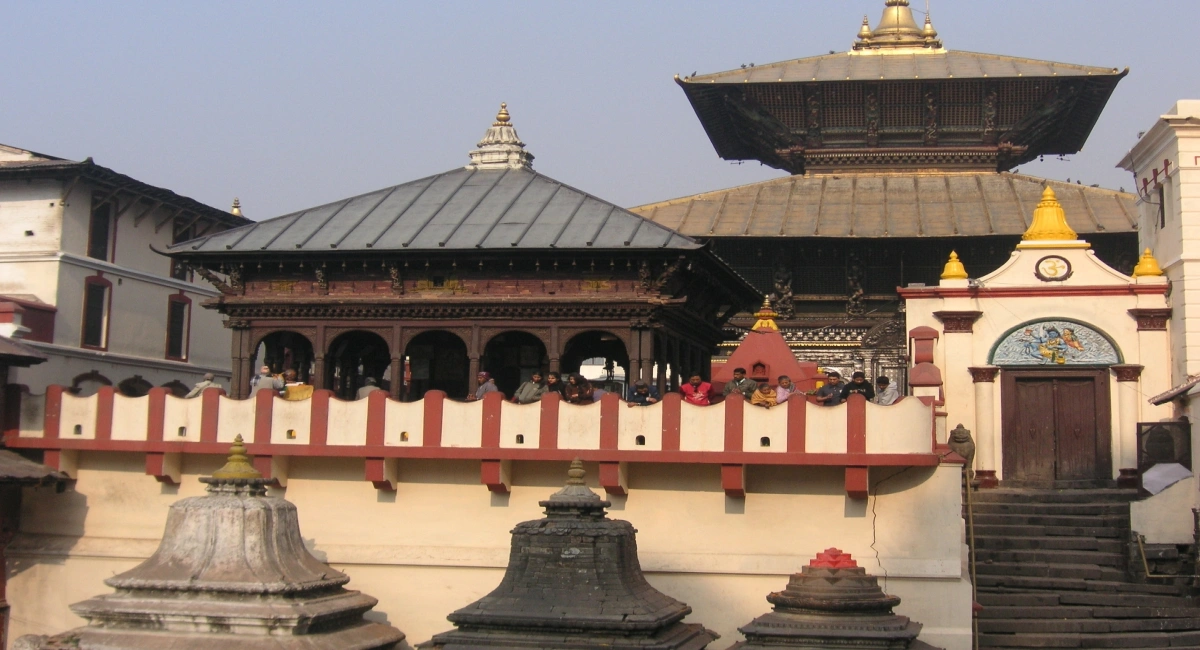
Pashupatinath Temple
It is one of the holiest Hindu shrines in the world recognized by UNNESCO as a world heritage site. The temple of Pashupatinath is the focus of pilgrims from all over Nepal and India. The temple is dedicated to lord Shiva and is built in the familiar pagoda style. Its’ chronicles indicate the temples existence prior to 400 A.D. It is located 5km.east of the city centre. This holy place hosts a beautiful collection of temples and shrines. All the recently deceased are brought to Pashupatinath for cremation. Only Hindus are permitted to go inside the temple.
Boudhanath Stupa
Boudhanath Stupa is the world's biggest stupa situated about two kilometers to the North of Pashupatinath temple. This massive stupa is known by the name of Budhanath, the god of wisdom. It is duly recognized by UNESCO as a World Heritage Site. It is diffiicult to assign a period to it as some believe that it was built during the reign of either Shiva Deva or Anshu Verma in 7 th century A.D, the design is much like the Swayambhunath Stupa, except that the latter consists of receding squares instead of circles. This historical peace stupa attracts Buddhist pilgrims form all over the world.